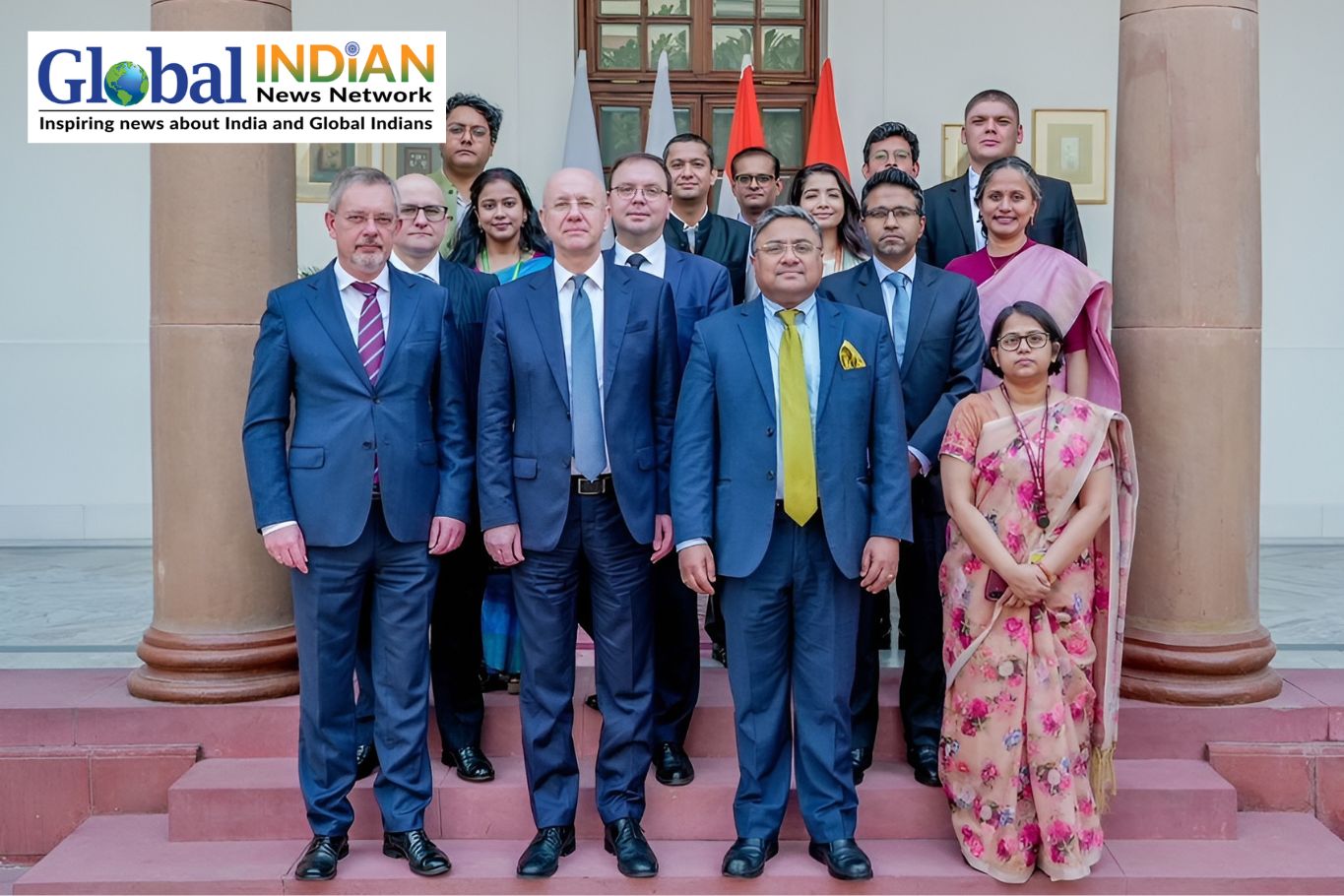
 India and Russia convened the 7th UN Consultations in New Delhi on March 17, focusing on key issues under the United Nations Security Council (UNSC) agenda, including counter-terrorism, peacekeeping operations, and proposed reforms of the council. The high-level meeting was co-chaired by Sibi George, Secretary (West) at India’s Ministry of External Affairs (MEA), and Alexander Alimov, Russia’s Deputy Foreign Minister. Russia’s Ambassador to India, Denis Alipov, along with other senior officials, also attended the discussions.
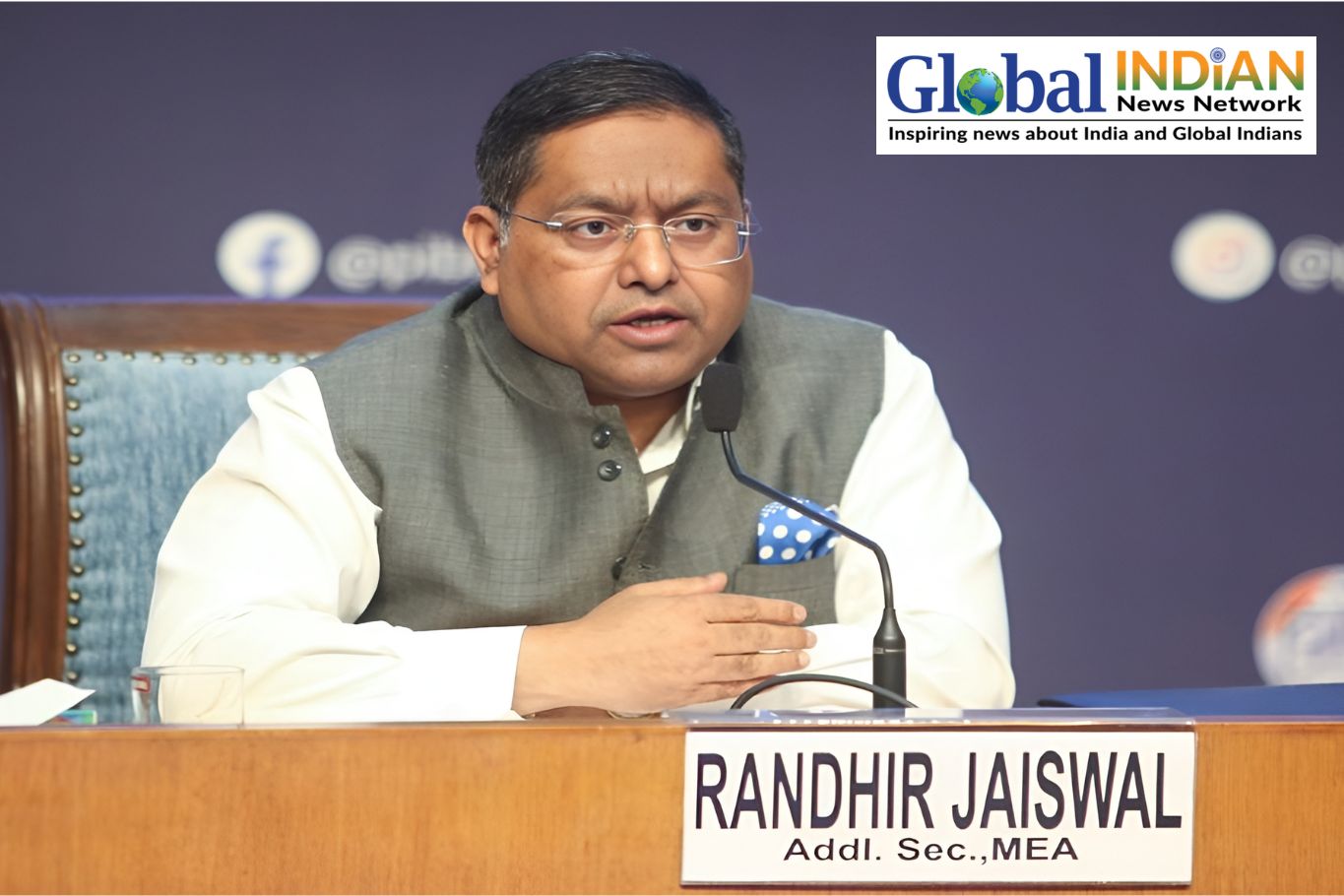
According to MEA spokesperson Randhir Jaiswal, both sides exchanged their priorities for the UN, concentrating on strengthening measures to counter terrorism, enhancing peacekeeping effectiveness, and advancing reforms of the UNSC to reflect contemporary global realities. Russia has consistently emphasized that countries such as India, Brazil, and key African nations should be represented as permanent members in a reformed council, ensuring broader representation of the global majority.
The consultations follow a series of high-level engagements between the two countries. Last month, Sibi George met Deputy Foreign Minister Alimov during the latter’s visit to India for the AI Impact Summit. In December 2025, Prime Minister Narendra Modi and Russian President Vladimir Putin held talks during the 23rd India-Russia Annual Summit in New Delhi. Their discussions highlighted the need for comprehensive UNSC reform, stressing the importance of making the council more representative, efficient, and effective in addressing international peace and security challenges. Russia reiterated its unwavering support for India’s permanent membership in a restructured UNSC.
The joint statement from the consultations emphasized zero tolerance for terrorism and the importance of finalizing and adopting the Comprehensive Convention on International Terrorism under the UN framework. Both countries underscored the need for rigorous implementation of UN General Assembly and Security Council resolutions addressing terrorism and violent extremism.
The statement also highlighted the importance of international cooperation in combating extremism without hidden agendas or double standards, grounded firmly in international law and the UN Charter. Both nations reaffirmed the need for balanced implementation of the UN Global Counter-Terrorism Strategy, aiming to foster a collaborative approach to global security challenges.