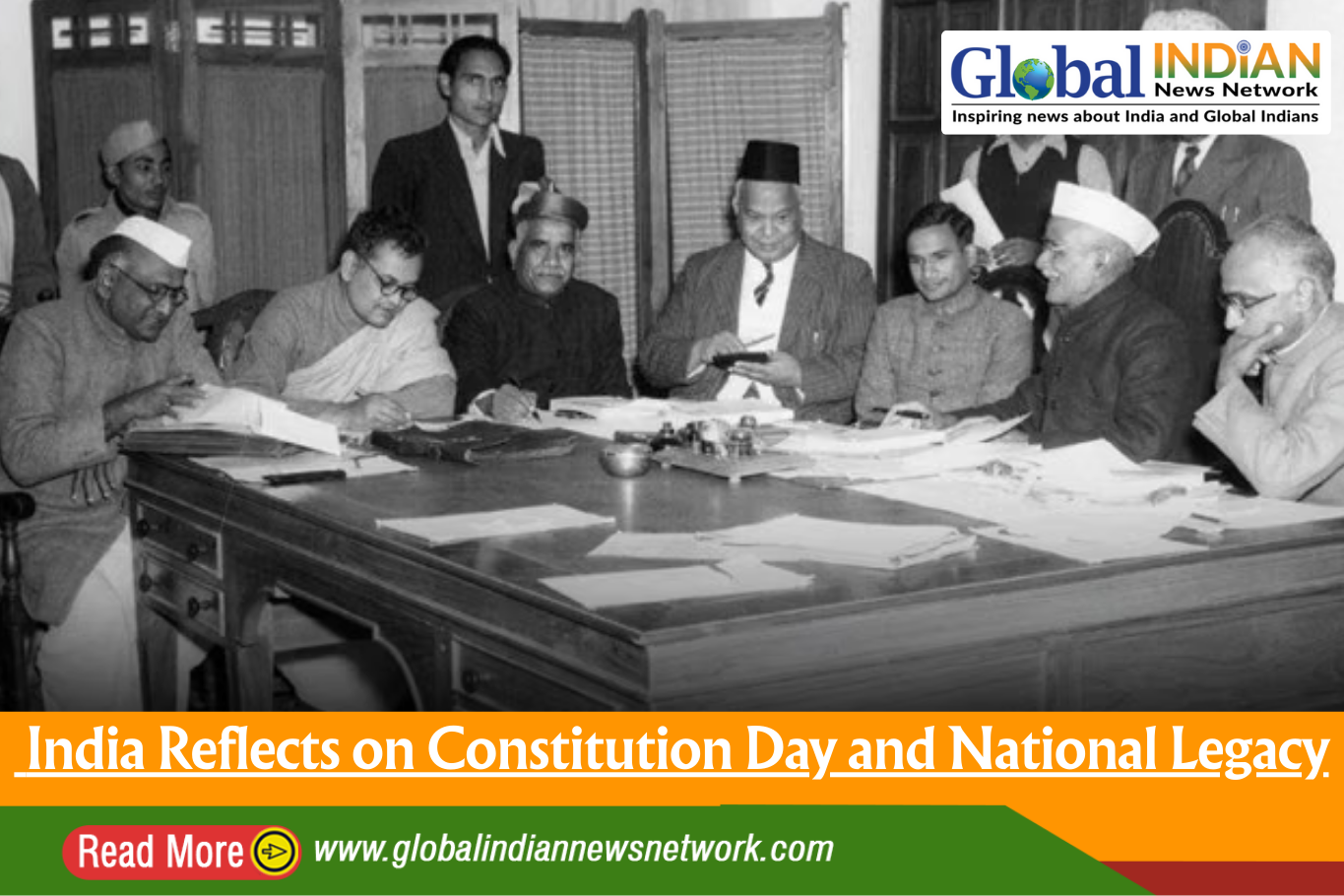
 November 26 stands as a day of profound national pride in India. On this date in 1949, the Constituent Assembly formally adopted the Constitution—an enduring document that continues to guide India’s democratic journey. In recognition of its importance, the government in 2015 officially designated the day as Constitution Day, underscoring the values that have shaped modern India.
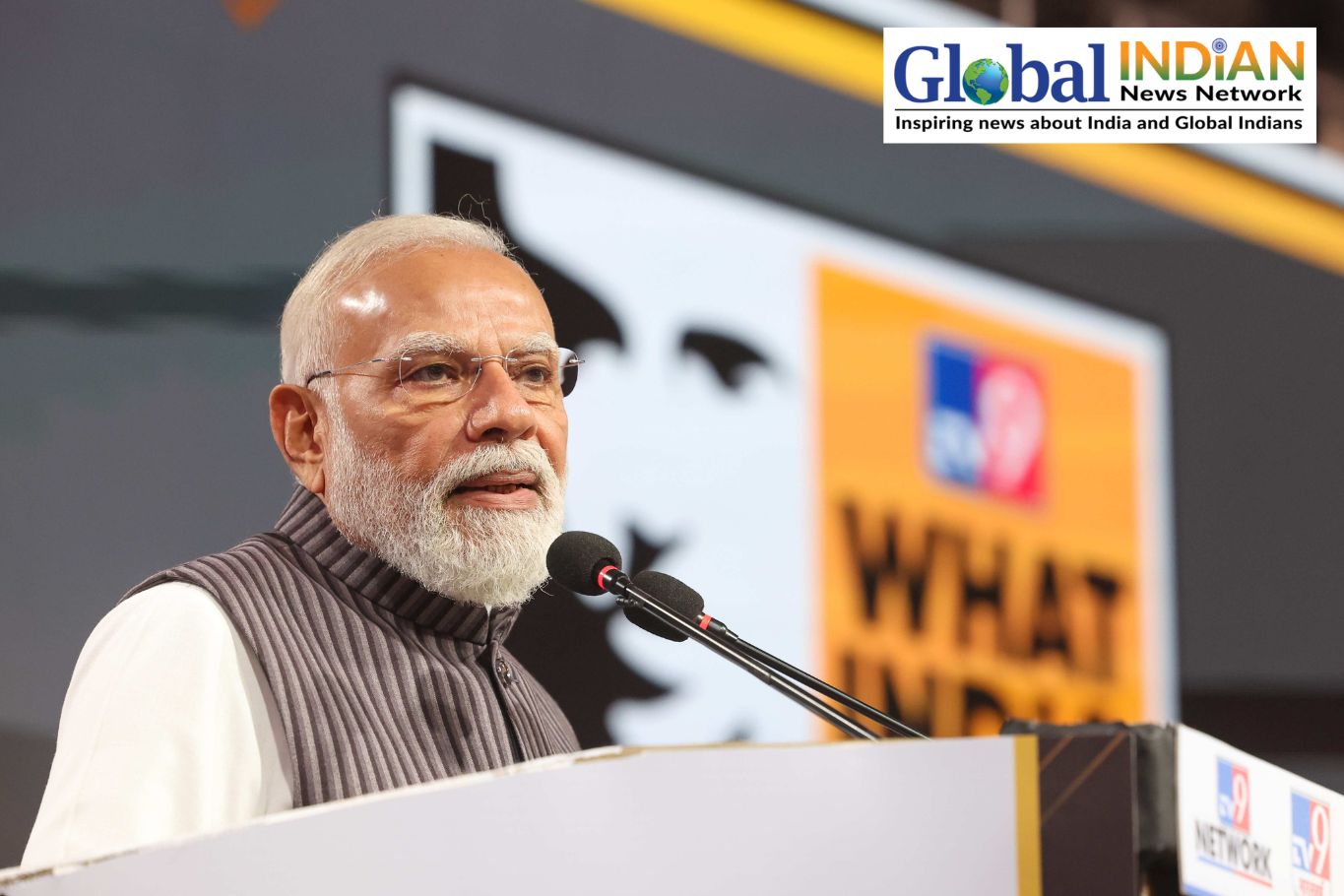
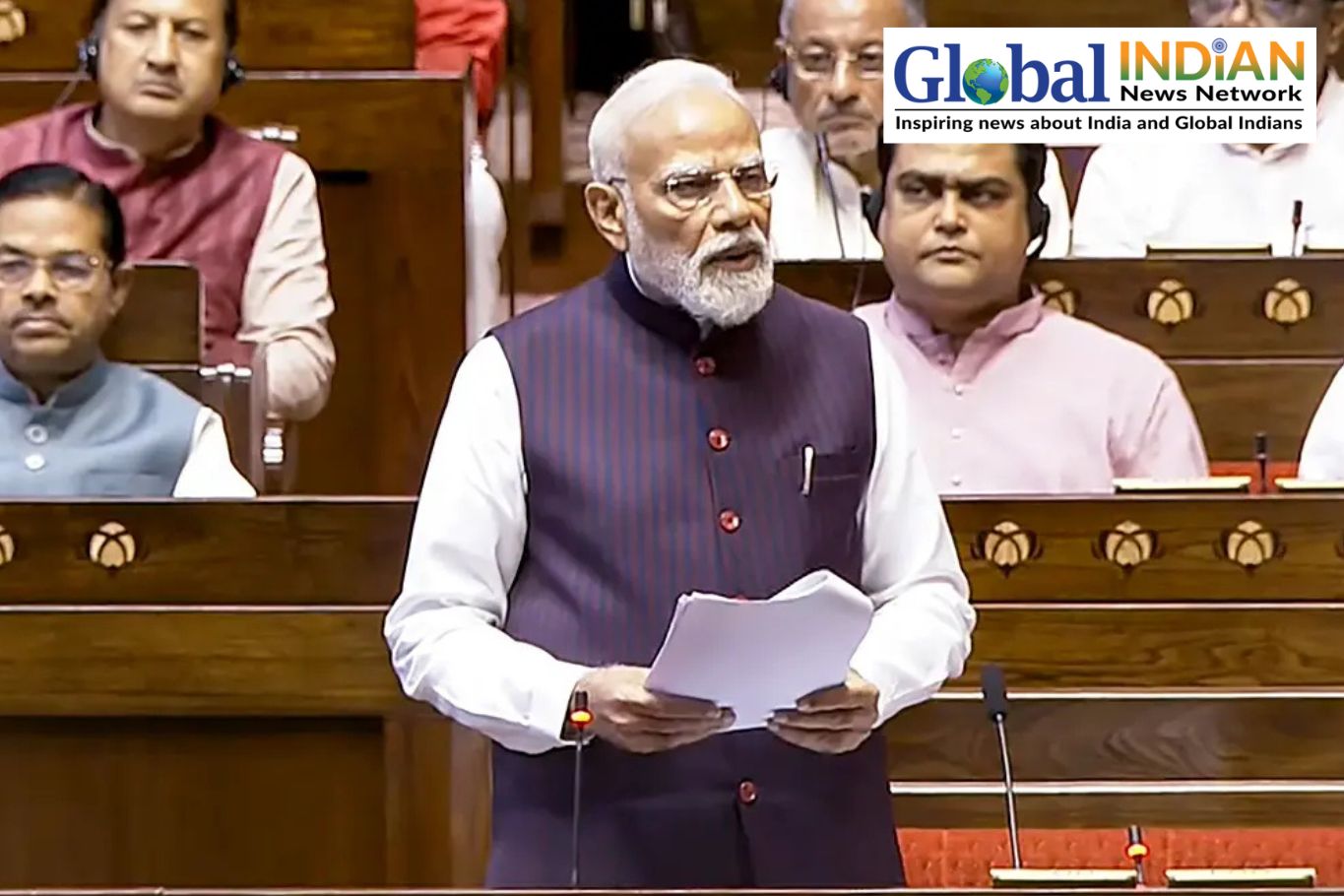
The spirit of the Constitution has enabled countless individuals from modest backgrounds to rise to positions of influence and service. Recalling symbolic moments from 2014 and 2019, the Prime Minister shared how he bowed before Parliament and placed the Constitution on his forehead—gestures reflecting his deep reverence for Indian democracy. He emphasized that the Constitution has empowered generations to dream boldly and work toward a better future.
As the nation celebrates Constitution Day, the contributions of the Constituent Assembly—led by Dr. Rajendra Prasad—come to the forefront. Dr. B. R. Ambedkar’s leadership of the Drafting Committee, along with the vision of several distinguished women members, laid the foundation for a progressive and inclusive Constitution.
The Prime Minister reflected on 2010, when the Constitution completed six decades with little national acknowledgment. To honor the milestone, Gujarat organized the “Samvidhan Gaurav Yatra,” where the Constitution was ceremonially carried on an elephant as citizens joined in tribute. When the Constitution turned seventy-five, a special parliamentary session and nationwide events marked the anniversary, drawing unprecedented participation.
This year’s Constitution Day holds added significance, aligning with the 150th birth anniversaries of Sardar Vallabhbhai Patel and Bhagwan Birsa Munda. Patel’s leadership unified India politically and inspired decisive steps such as the abrogation of Article 370, ensuring equal constitutional rights in Jammu & Kashmir. Birsa Munda’s legacy continues to uplift tribal communities and reinforce India’s commitment to justice and dignity.
The nation also commemorates the 150th anniversary of Vande Mataram and the 350th martyrdom anniversary of Sri Guru Tegh Bahadur Ji—icons whose sacrifices symbolize duty, courage, and unity. These milestones echo the Constitution’s emphasis on Fundamental Duties under Article 51A, a reminder that rights flourish when citizens uphold responsibility.
As India advances toward its centenary of freedom in 2047 and the Constitution’s 100th year in 2049, the Prime Minister called for renewed commitment to national duty. Encouraging youth to vote and celebrating new voters annually on November 26, he emphasized that instilling pride and responsibility in young citizens will strengthen the democratic foundation for generations to come.