India is fast approaching a landmark moment in its clean energy journey, with non-fossil fuel sources set to contribute 50% of the nation’s total power capacity by the end of 2025, as shared by Union Minister of Housing & Urban Affairs and Power, Mr. Manohar Lal. Speaking at a major industry forum hosted by the India Energy Storage Alliance (IESA), the minister highlighted how the country’s power mix is shifting dramatically toward renewables.
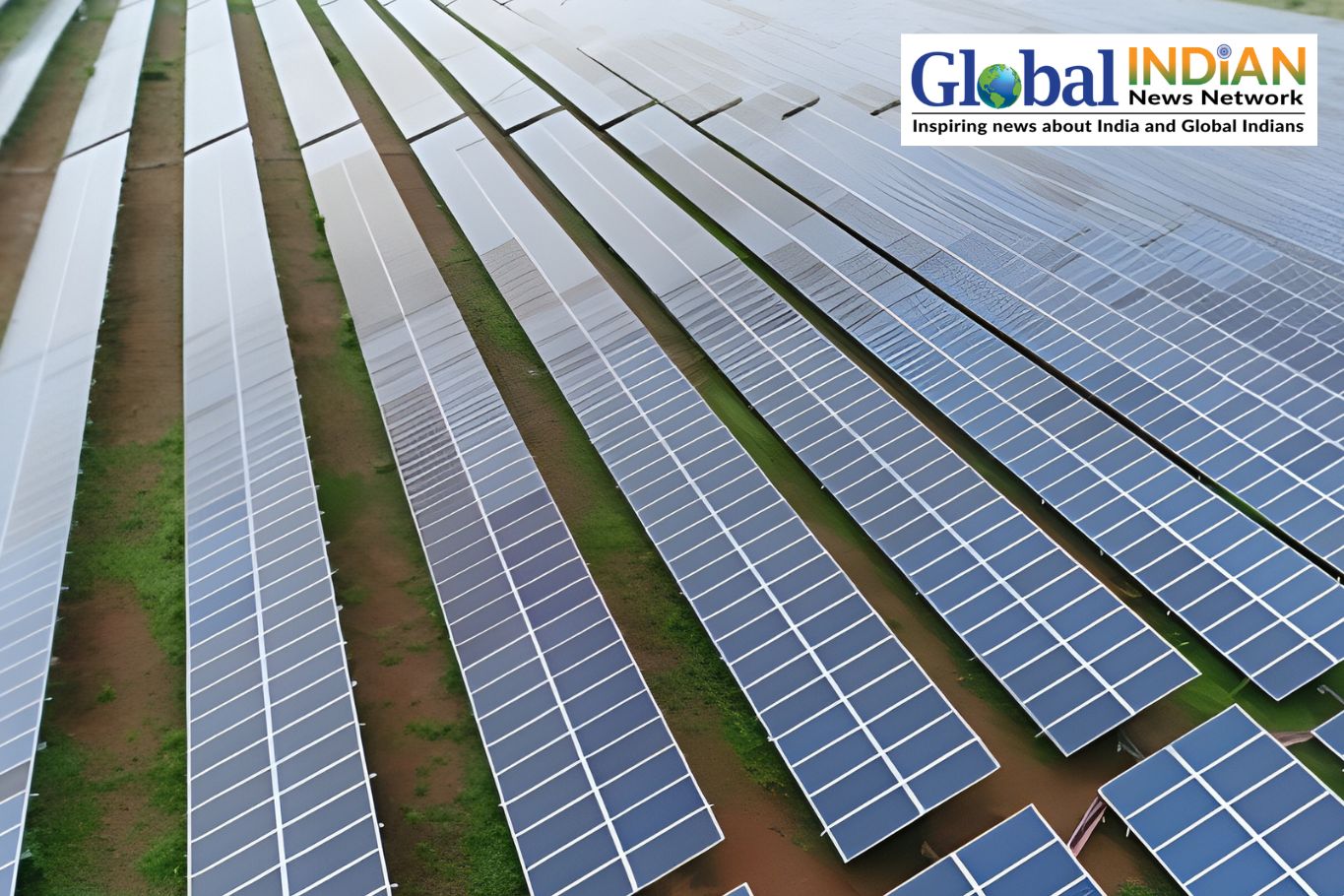
As of May 31, India’s total installed electricity generation capacity reached 475.59 gigawatts (GW), with 235.53 GW coming from clean, non-fossil sources such as solar, wind, hydropower, and nuclear. This means nearly half of the power supply now originates from sustainable energy solutions—a remarkable stride toward India’s long-term sustainability vision.
This achievement aligns with the country’s updated Nationally Determined Contributions (NDCs) submitted to the United Nations, which aim to reduce emissions intensity by 45% from 2005 levels and ensure 50% of power comes from non-fossil sources by 2030. India is now on track to meet that energy goal five years early.
Manohar Lal stressed the importance of energy storage systems as the backbone of this transformation. While solar and wind energy are expanding rapidly, he emphasized the need to pair these intermittent sources with robust storage to deliver consistent and reliable power supply throughout the day and night.
He also acknowledged that integrating such technologies is crucial not just for meeting rising power demand, but for maintaining grid stability and supporting the nation’s clean energy ambitions.
The ongoing IESA event gathered over 1,000 participants from 20 countries, including global energy experts, policy leaders, and green tech pioneers. The conference reflects India’s growing influence on the world stage as a clean energy trailblazer.
Backed by progressive policy measures, public-private partnerships, and advancing technologies, India continues to lead the way toward a greener, more energy-secure future—proving that economic growth and environmental responsibility can go hand in hand.