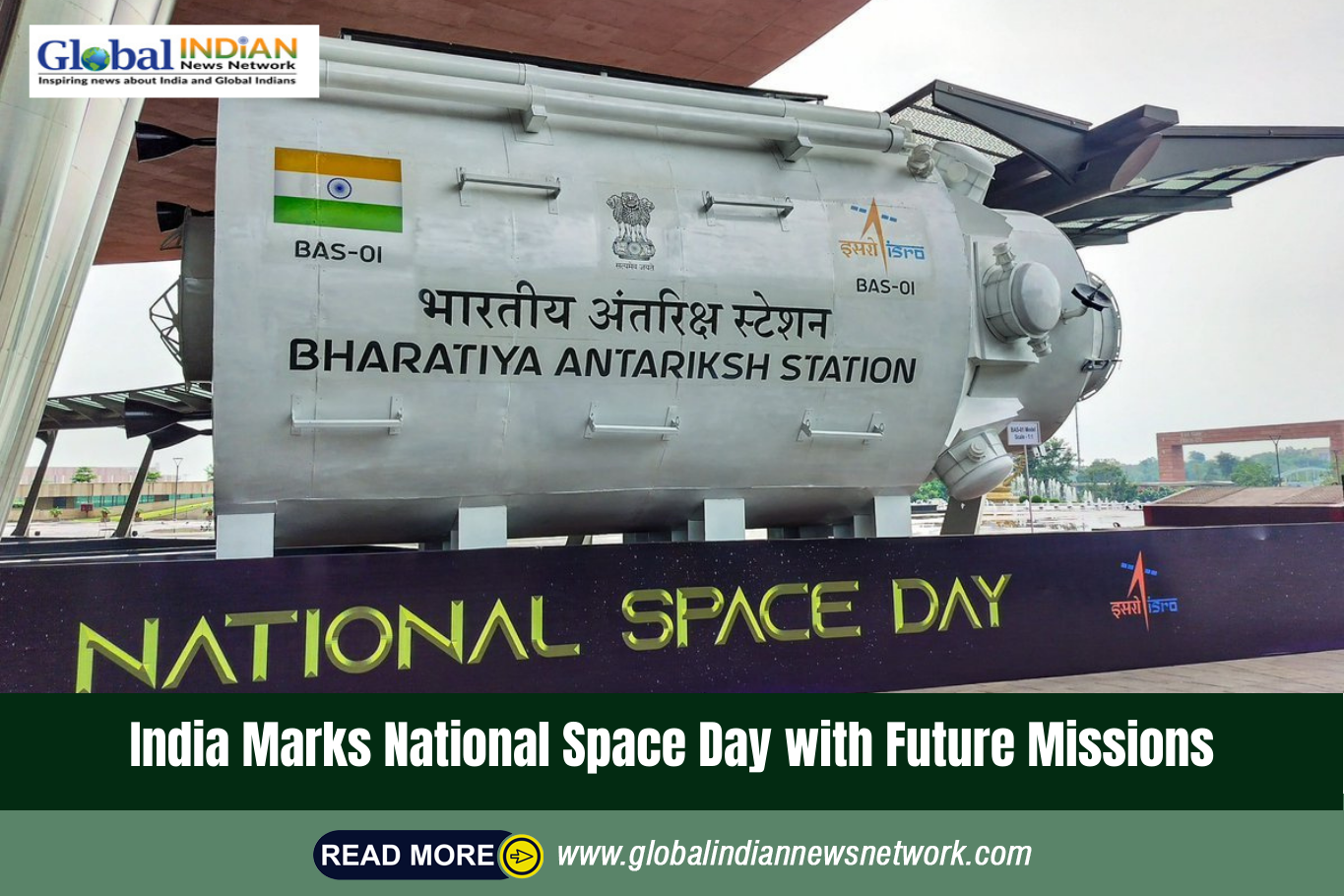
 On August 23, 2025, India celebrated National Space Day, marking two years since Chandrayaan-3 achieved its historic soft landing on the Moon’s south pole. The achievement made India the first nation to successfully reach this unexplored region, placing the country firmly among global space leaders.
The day, first declared in 2023, continues to highlight India’s rise in space exploration. This year’s celebration carried added significance with Group Captain Shubhanshu Shukla’s recent mission to the International Space Station (ISS) as part of the Axiom-4 crew. His presence on the ISS represented India’s expanding role in human spaceflight and filled the nation with pride.
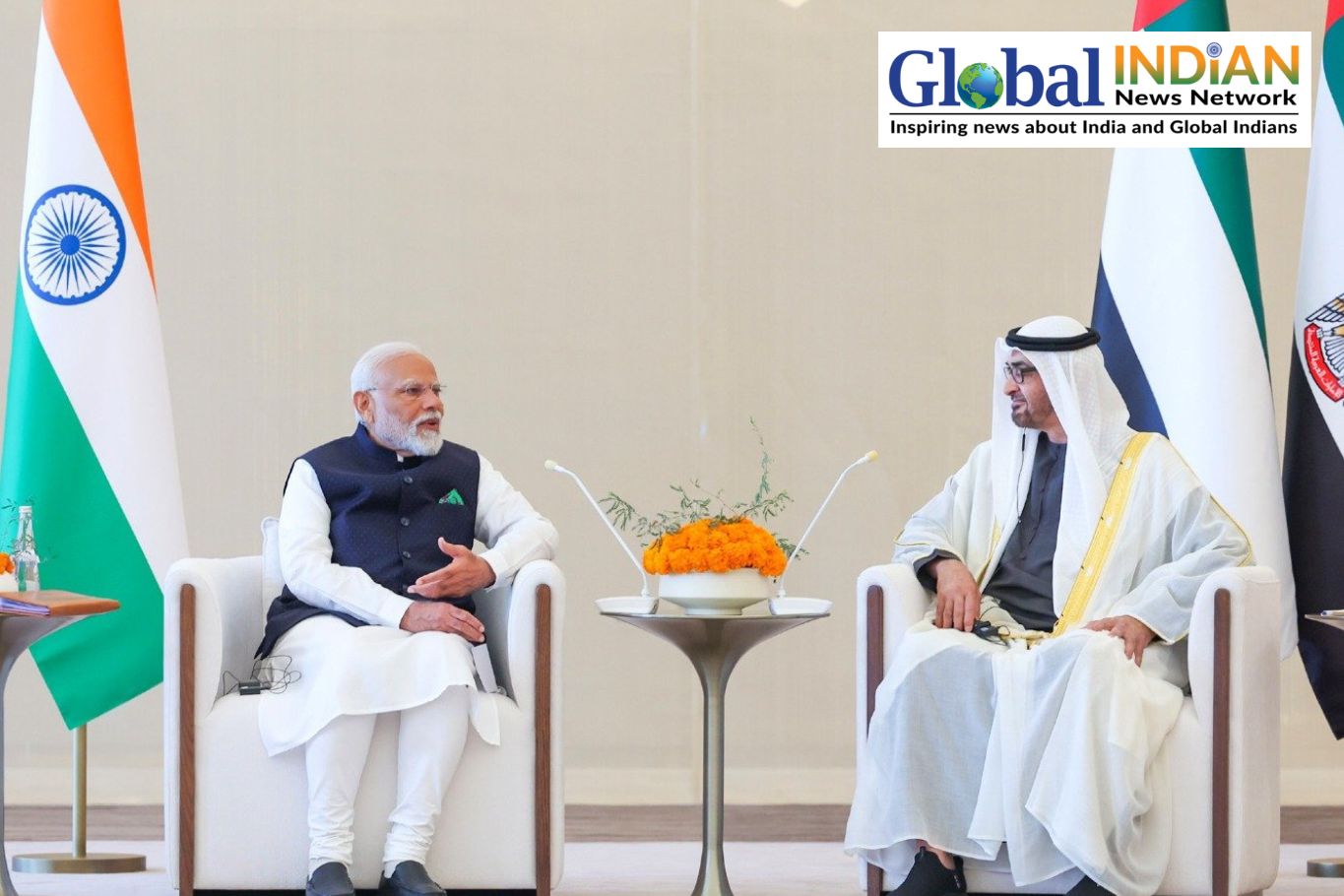
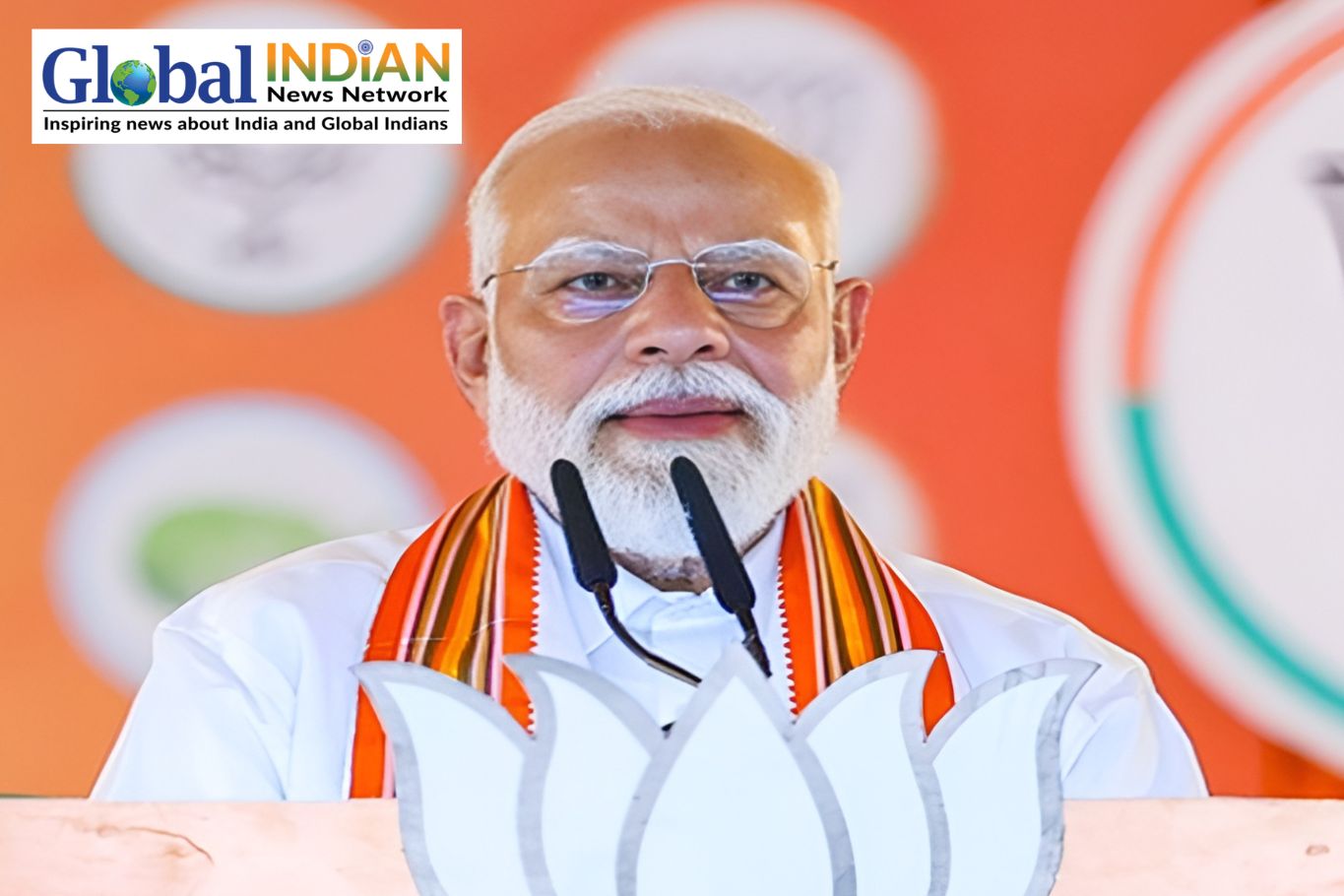
Prime Minister Narendra Modi, addressing the nation, praised Shukla for hoisting the tricolor aboard the ISS. He also revealed that India has become the fourth country capable of docking and undocking in space. Inviting young citizens to join India’s growing astronaut pool, Modi described this as a new era in which Indian talent would play a central role in advancing national space ambitions.
ISRO, under Chairman V. Narayanan, has laid out an ambitious plan for the next decade. The upcoming Gaganyaan-2 mission, scheduled for mid-2025, will test critical crew systems in preparation for India’s first human spaceflight. By the end of the same year, the Shukrayaan mission will head to Venus to study its atmosphere and climate evolution.
In 2026, India’s space calendar is set to accelerate further with the Mars Orbiter Mission 2, a joint lunar mission with Japan’s JAXA, and Gaganyaan-3, which will send Indian astronauts into space. Looking ahead to 2028, Chandrayaan-4 will attempt to return lunar samples to Earth, while plans are in motion for the Bharatiya Antariksha Station (BAS), India’s independent space station, targeted for 2028–2035. AstroSat-2, a successor to India’s first space observatory, will further expand astrophysics research.
Narayanan emphasized that between 2015 and 2025, India doubled its mission count compared to the previous decade, describing the pace as “phenomenal and exponential.” He highlighted that India is no longer just catching up with other nations but actively shaping the future of global space exploration.
With growing international collaborations, including the ISS mission and lunar exploration with JAXA, India has positioned itself as a leader in space science, blending technological ambition with global partnerships to chart a bold path ahead.