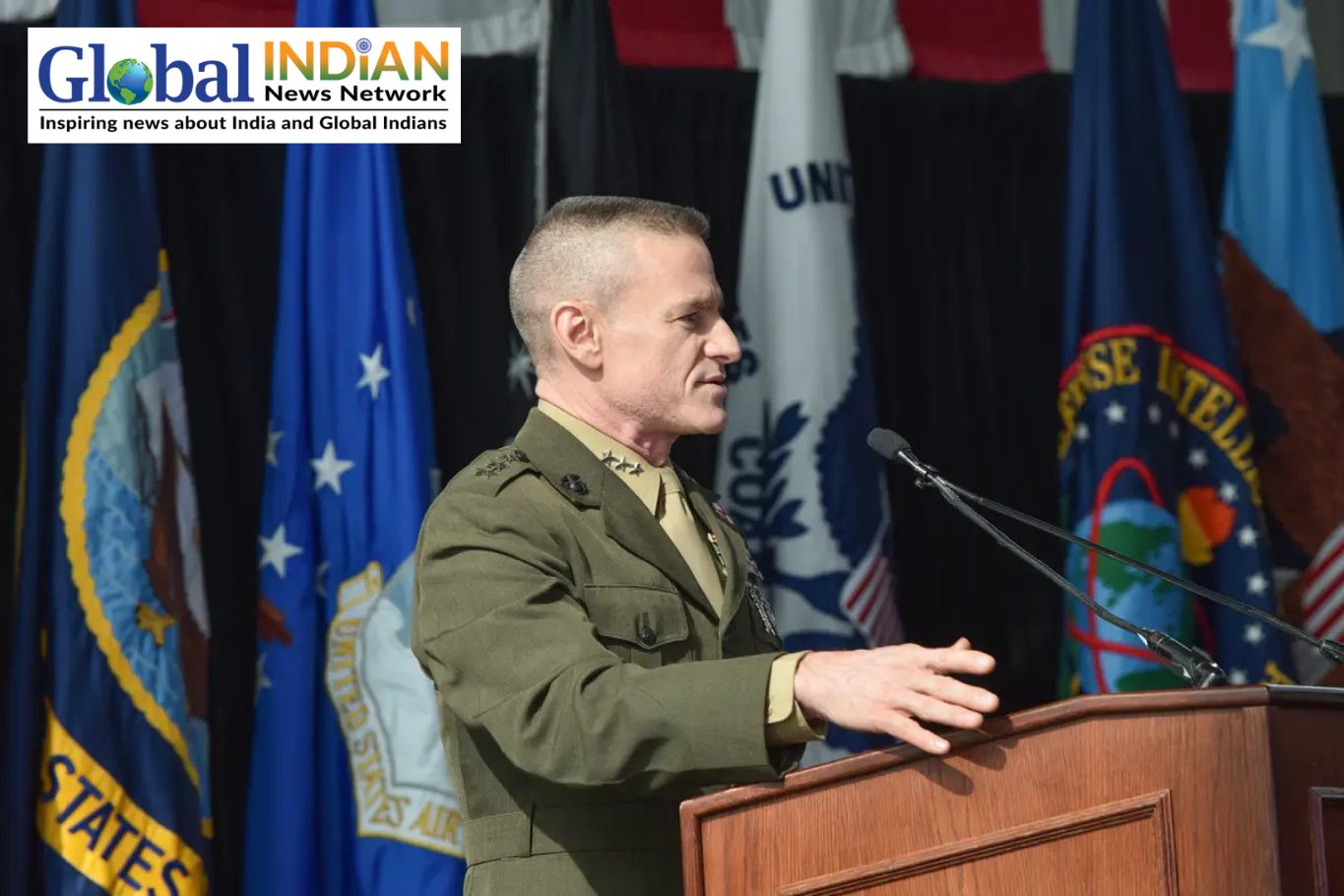
 India has emerged as a key partner in United States-led efforts to curb the flow of fentanyl precursor chemicals, underscoring growing cooperation between India and the United States in addressing transnational security threats.
The development was highlighted during the presentation of the 2026 Annual Threat Assessment before the Senate Select Committee on Intelligence. James H. Adams III noted that collaborative efforts involving India and China to restrict the supply of precursor chemicals used in the production of fentanyl have shown measurable progress, although further action remains necessary.
Fentanyl, a powerful synthetic opioid, has become a major concern for US authorities due to its role in drug overdose deaths and its widespread trafficking networks. Officials warned that transnational criminal organisations continue to exploit global supply chains to manufacture and distribute such substances.
According to the assessment, Mexico-based cartels remain dominant in the production and smuggling of fentanyl into North America, posing a direct threat to public health and safety. The report emphasised the need for sustained international cooperation to disrupt these networks and limit access to critical chemical inputs.
At the same hearing, Tulsi Gabbard highlighted broader security concerns, noting that while organised terrorist groups such as ISIS and Al-Qaeda have weakened over time, the threat landscape continues to evolve.
She pointed out a shift towards decentralised and individual-driven threats, with radicalisation increasingly occurring through online propaganda rather than large-scale coordinated operations. This changing dynamic, officials said, requires adaptive strategies and enhanced intelligence-sharing among global partners.
India’s participation in efforts to curb the fentanyl supply chain reflects its expanding role in global security frameworks. The cooperation also signals a deepening of India-US strategic ties, particularly in areas related to law enforcement, intelligence coordination, and combating emerging transnational threats.
As the global drug trade continues to adapt, authorities on both sides have stressed the importance of sustained collaboration to address the complex challenges posed by synthetic narcotics and evolving security risks.