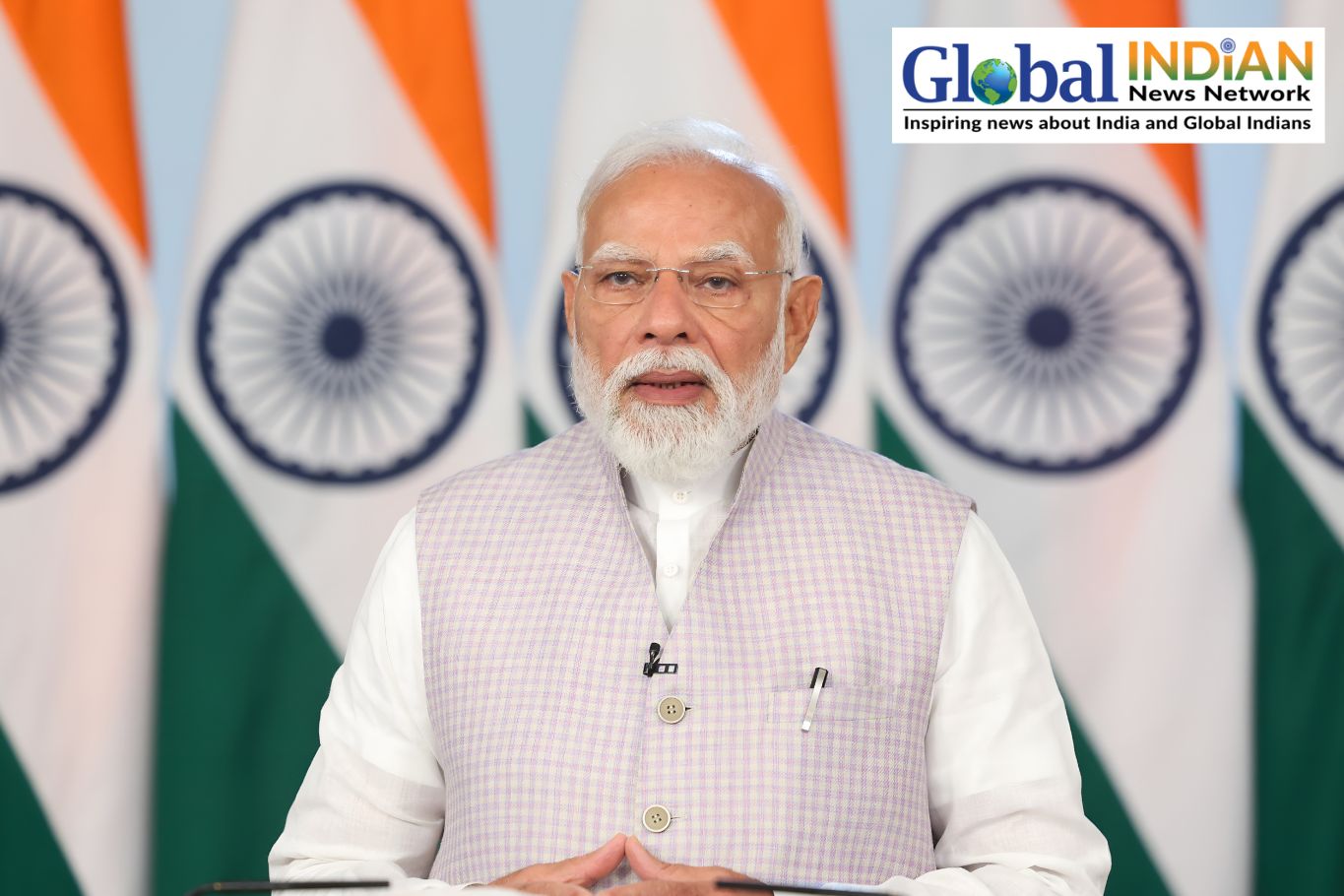
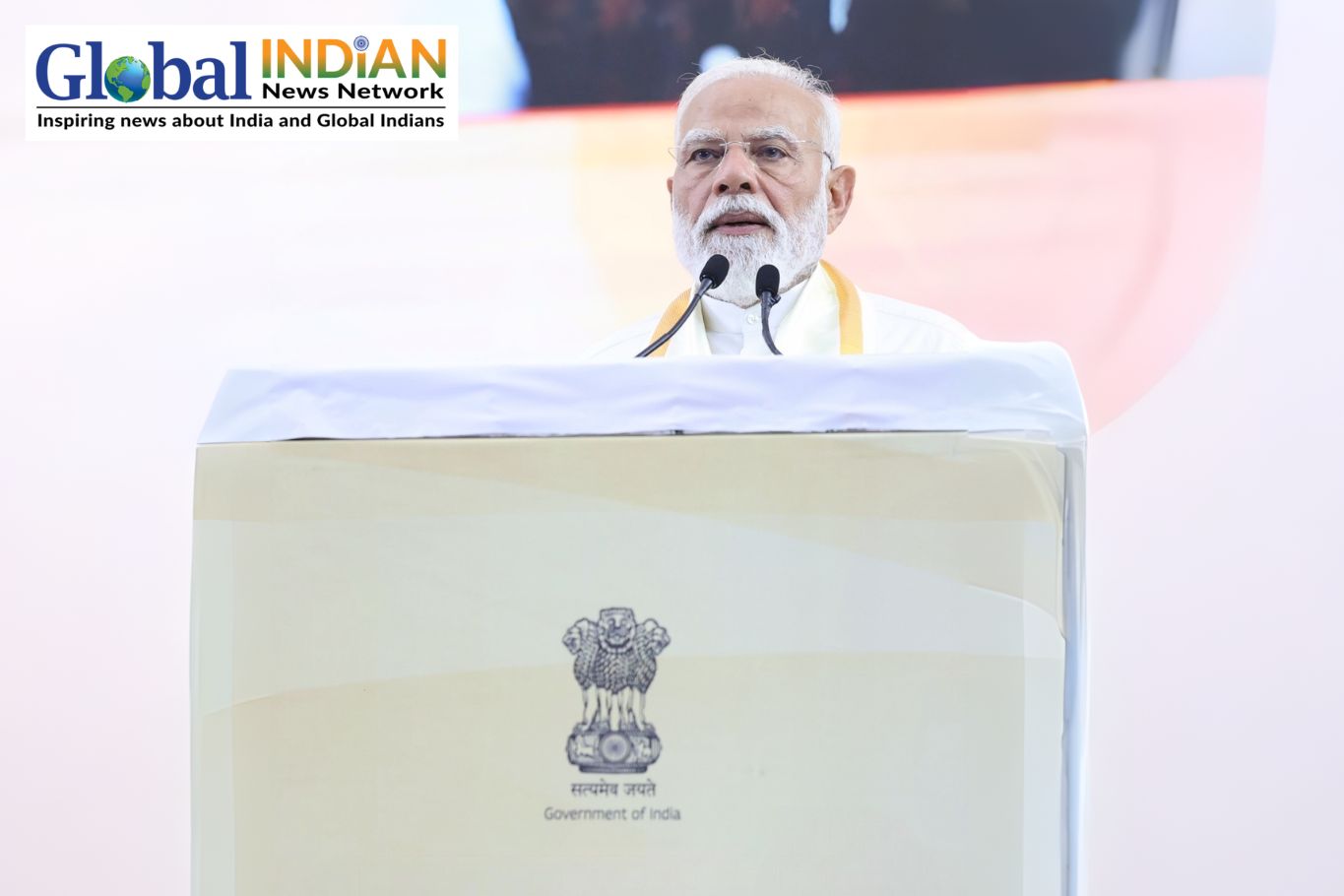
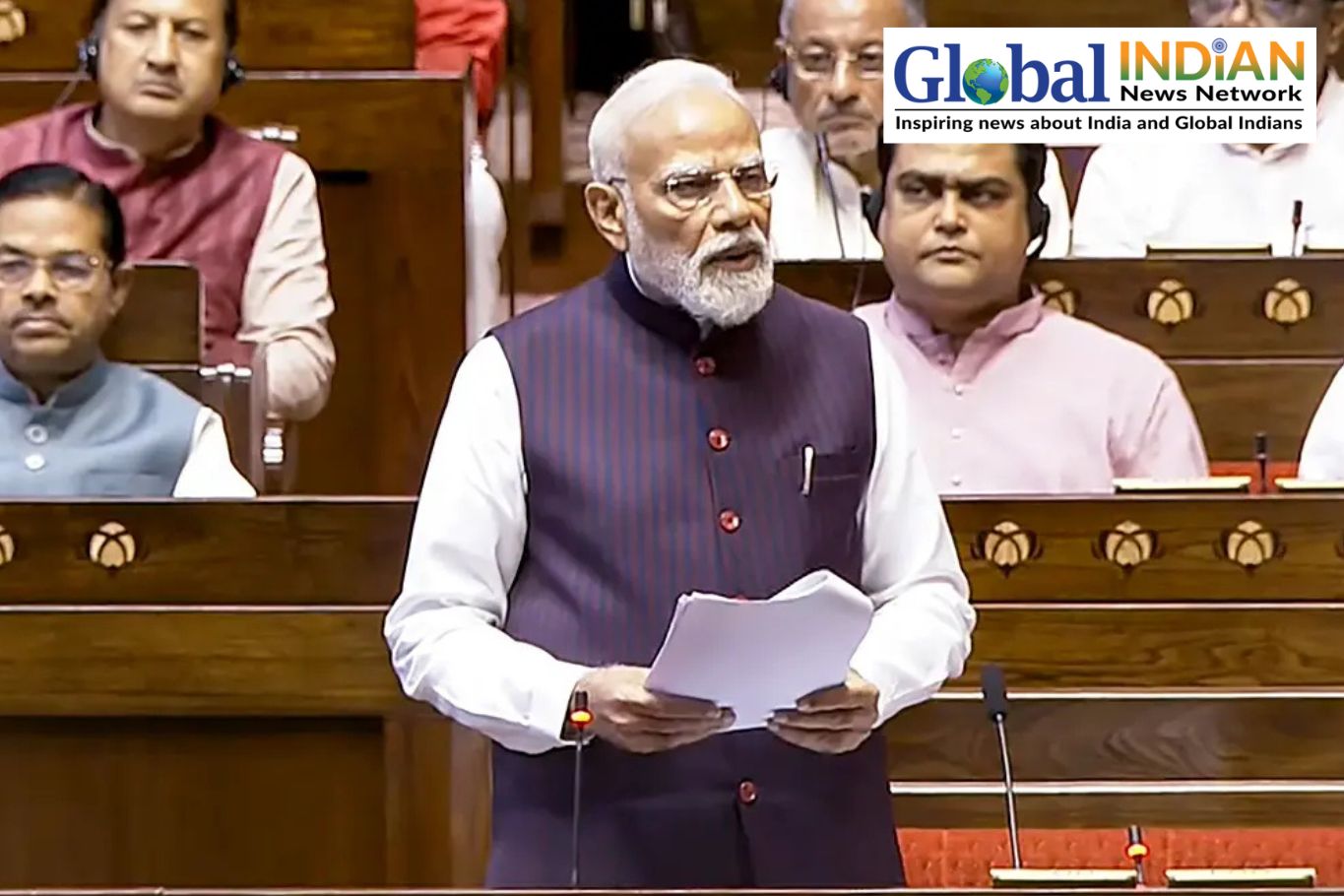
 Prime Minister Narendra Modi informed Parliament that India remains well-prepared to manage global energy uncertainties, assuring that adequate crude oil reserves and efficient systems are in place to maintain uninterrupted supply. His statement comes at a time when tensions in West Asia are affecting global energy markets and raising concerns over supply chains.
Speaking in the Rajya Sabha, Modi emphasized that the government has consistently taken steps over the past decade to strengthen the country’s energy security. He highlighted that long-term planning and strategic decisions have helped reduce India’s vulnerability to international disruptions.
A major achievement, according to the Prime Minister, is the significant expansion of India’s strategic petroleum reserves. These reserves have grown to over 53 million metric tons in the last 11 years, with plans to further increase capacity beyond 65 million metric tons. This expansion ensures that the country has a strong buffer to handle supply shocks during global crises.
Modi also pointed out that India’s refining capacity has improved considerably. With higher domestic processing capabilities, the country can refine larger quantities of crude oil internally, helping maintain steady fuel availability even when global markets face instability.
Addressing concerns around disruptions in the Strait of Hormuz, a crucial global trade route, he acknowledged that the movement of crude oil, gas, and fertilizers has been impacted. However, he noted that India has successfully secured supplies from multiple countries, with recent shipments of crude oil and LPG reaching the country without major issues.
The Prime Minister stressed the importance of diversifying energy imports. Over the years, India has expanded its sourcing network from 27 countries to 41, reducing dependence on any single region. This diversification has strengthened resilience and ensured consistent supply despite geopolitical challenges.
In addition, the government is focusing on expanding domestic gas distribution networks, including piped natural gas and LPG connections. Efforts in this area have gained momentum, improving access to cleaner energy for households across the country.
Modi acknowledged that the ongoing global conflict could have long-term economic effects but expressed confidence in India’s preparedness. He assured that continuous measures are being taken to minimize the impact on citizens and maintain economic stability.
He also addressed concerns related to agriculture, stating that sufficient fertilizer supplies have been arranged ahead of the sowing season. The government, he said, is committed to protecting farmers from global disruptions and ensuring that agricultural productivity remains stable.