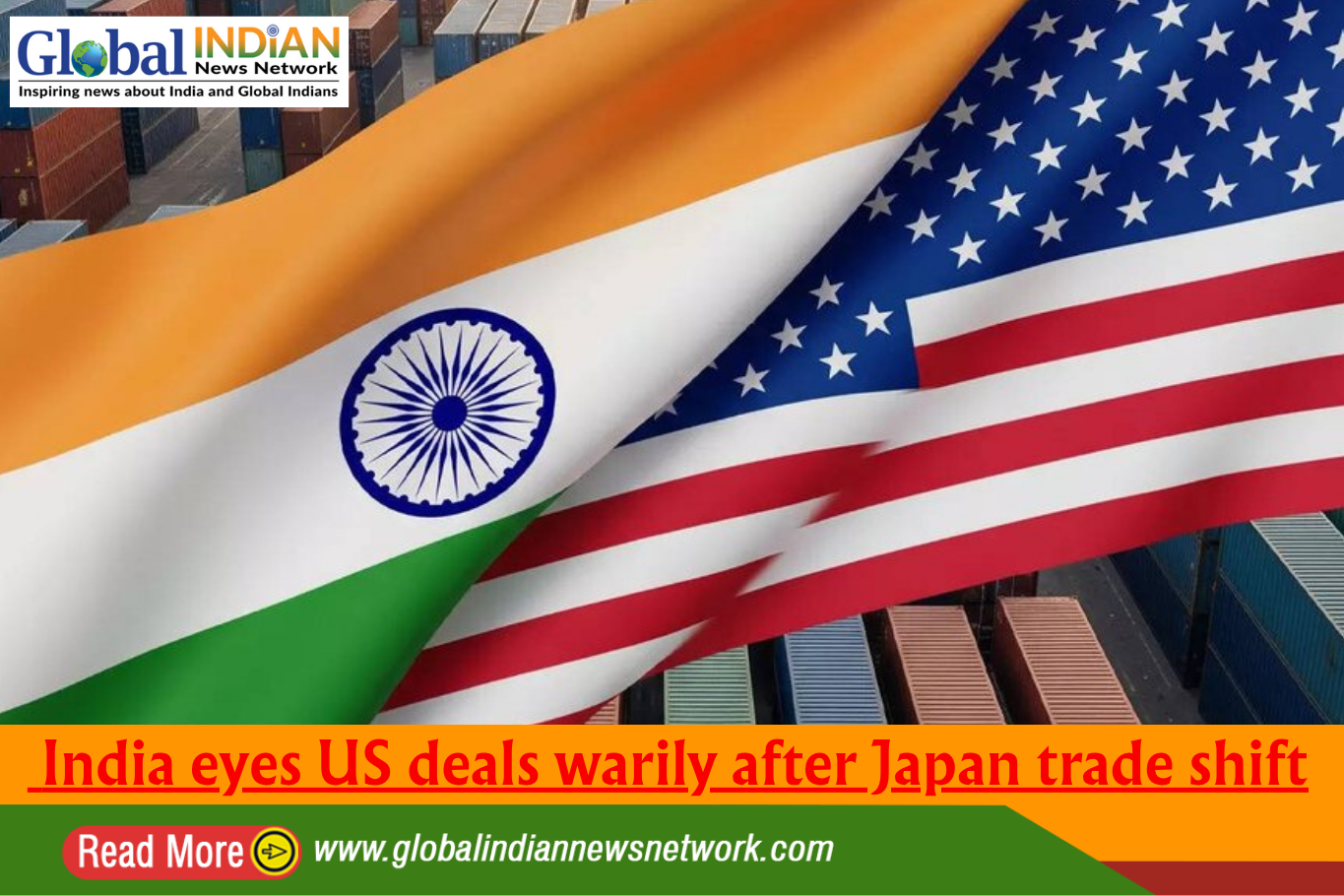
 India is treading carefully in its ongoing trade negotiations with the United States, influenced by recent challenges other Asian nations have faced while working with the US under Donald Trump’s administration. One example is the fallout from the US-Japan agreement, which has become a cautionary tale due to major disagreements in interpreting its terms. Meanwhile, deals announced with Indonesia and Vietnam have yet to be finalized, raising further concerns.
Commerce and Industry Minister Piyush Goyal shared updates over the weekend, stating that talks with both the US and Oman have made significant progress. American trade representatives are expected to arrive in India later in August to continue discussions. Goyal emphasized that India will not rush into agreements and will place its economic interests above meeting external deadlines.
Trump has imposed an August 1 deadline, after which countries failing to secure a deal with the US could face increased tariffs. Despite this, India has not been included on the list of nations receiving these warning letters. The US President also suggested that a deal with India is on the horizon.
India’s hesitation is partly fueled by how the Japan-US trade deal has unfolded. Reports highlight that while the US claims Japan agreed to invest in American infrastructure, with 90% of the profits going to local US taxpayers, Japanese officials argue that no such formal deal exists. They maintain that profits from the proposed $550 million investment should reflect the financial contributions of both nations. This disconnect has made India wary of accepting premature declarations from the US without signed agreements.
Similar issues have emerged in Southeast Asia. Trump declared a trade deal with Indonesia after speaking with President Prabowo Subianto, but no formal agreement has been signed. Although both nations released a joint framework outlining the deal, experts warn that without legal backing, the arrangement could face setbacks.
Vietnam, too, has not ratified duty rates reportedly agreed upon with the US. Concerns are growing that new tariffs could reduce Vietnam’s exports to the US by one-third. Last year, the country exported goods worth $120 billion to the US, and tariffs between 20% to 40% could lead to losses of up to $37 billion, particularly affecting sectors like electronics, apparel, and machinery.
India is clearly observing these developments, aiming to avoid similar pitfalls and ensure that any future deal secures long-term benefits without compromising national priorities.