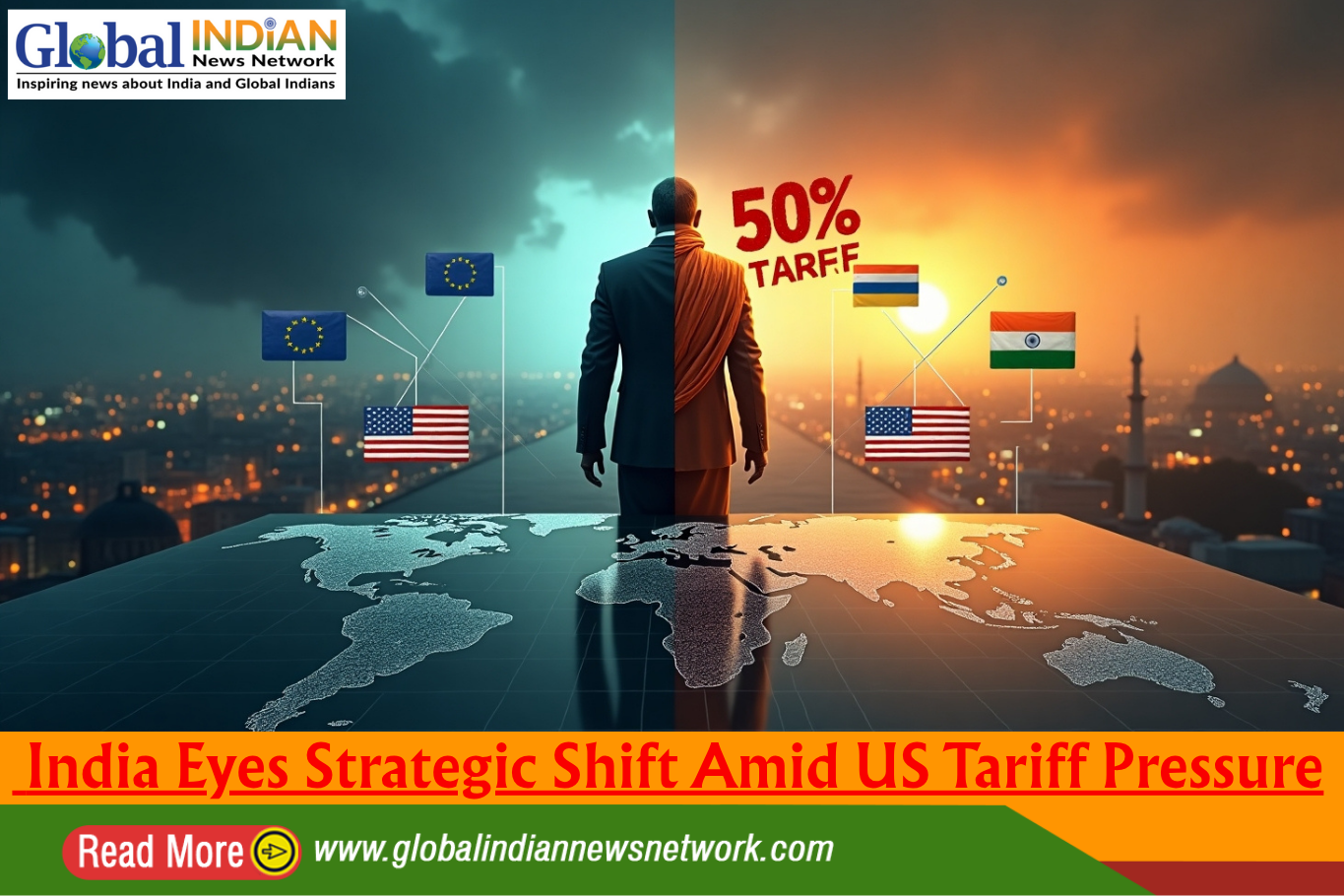
 India’s foreign policy could be entering a period of recalibration as multiple developments point toward a shift in its global strategic posture. Prime Minister Narendra Modi is preparing for his first visit to China in six years, while National Security Advisor Ajit Doval is engaging with Russian leaders to finalize key defense agreements. These moves, analysts suggest, could signal a deliberate effort by New Delhi to rebalance its international relations in the wake of rising friction with Washington.
A recent report by M Financial Institutional Securities warns investors to closely monitor these changes, particularly after the Trump administration’s latest actions toward India. The United States has not only paused ongoing trade talks but also imposed steep 50% tariffs, while offering more favorable trade terms to China and Pakistan. US officials have linked the measures to India’s continued oil imports from Russia and its expanded role in BRICS, describing the shift as a major reversal in policy after more than two decades of steady progress.
Trade between India and the US has grown significantly since the pandemic, benefiting from the global “China+1” strategy that encouraged supply chain diversification. The US has become India’s largest export market, accounting for 23% of total outbound trade and contributing positively to India’s trade surplus. In 2024, exports to the US reached $91 billion, led by electronics—especially iPhones—worth $14 billion, along with pharmaceuticals, and gems and jewelry. Imports from the US totaled $43 billion, dominated by minerals and industrial equipment.
The sectors most vulnerable to the new US tariffs are chemicals, textiles, and auto components, the report noted, warning that pharmaceuticals and electronics—currently exempt—could face restrictions next. Interestingly, IT services might gain from the situation, aided by a weaker rupee.
Economists caution that tariffs of 50% could slow India’s GDP growth, given that the trade surplus with the US, worth about 1% of GDP, would be hard to replace quickly. The Reserve Bank of India may allow the rupee to depreciate to ease the impact of foreign capital outflows.
With the first round of 25% tariffs already in place and a 21-day negotiation window left open by President Trump, both sides face a high-stakes standoff. The pressing question in global markets remains: Who will make the next move?