 India’s energy storage sector is preparing for a dramatic scale-up in 2026, with battery energy storage installations expected to rise nearly ten times compared to the previous year. According to a report by the India Energy Storage Alliance, total battery energy storage capacity additions are projected to increase from about 0.5 GWh in 2025 to nearly 5 GWh in 2026, marking a turning point for the country’s clean energy infrastructure.
This sharp rise reflects the outcome of several years of extensive tendering activity that has now transitioned into a strong execution pipeline. Many previously awarded projects are advancing toward commissioning, while several others are already in late-stage development. The shift from planning to on-ground delivery highlights growing confidence among investors, developers, and utilities in India’s long-term strategy for integrating renewable energy into the national grid.
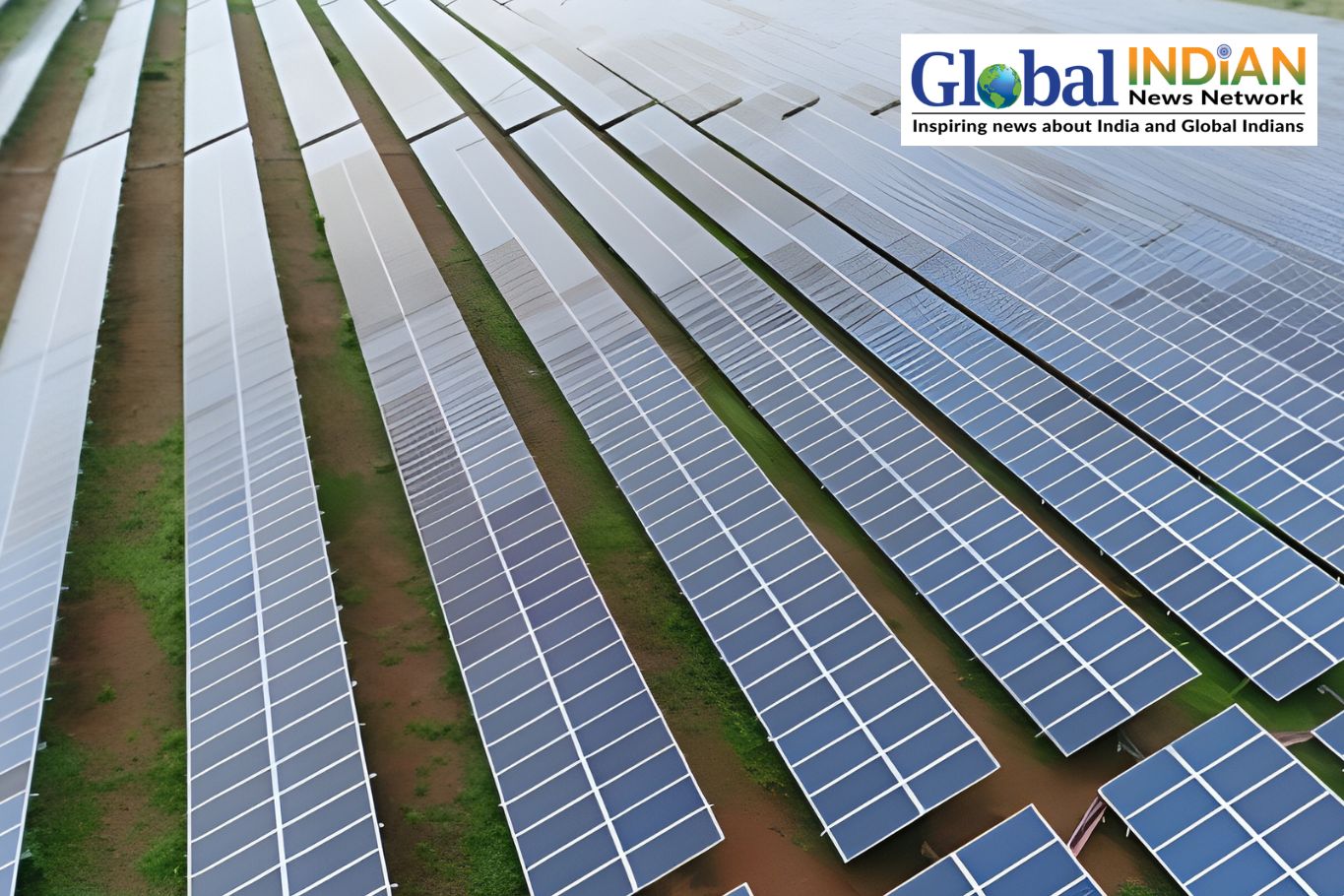
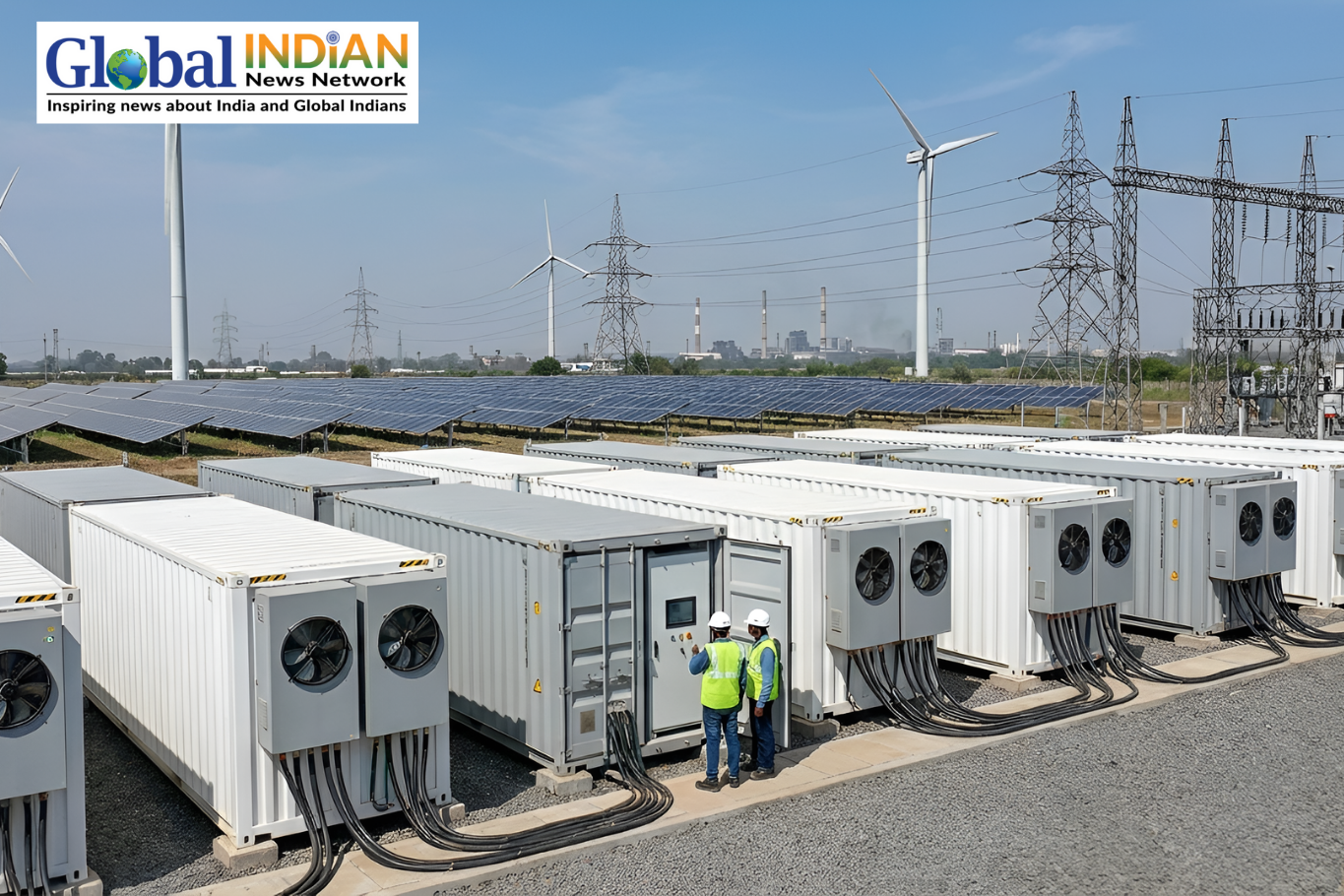
The year 2026 is expected to test how effectively the industry can convert this momentum into operational assets. High-visibility projects will play a key role, including major battery energy storage system installations by large private players in western India and solar projects combined with storage capacity in desert regions. These developments are seen as benchmarks for future deployments across the country.
Market conditions have also evolved rapidly. Over the past year, pricing for standalone two-hour battery storage systems has fallen sharply, altering competitive dynamics and encouraging broader participation. Lower tariffs have made storage more accessible but have also increased pressure on developers to secure viable financing, especially for projects won through aggressively priced bids.
Policy support has been a major catalyst behind the sector’s acceleration. Government-backed incentives, including a viability gap funding program worth approximately $607.9 million and waivers on interstate transmission charges, have helped improve project economics and reduce risk. These measures have been crucial in attracting private investment, even as financing challenges persist for some low-margin projects.
The expected surge in battery energy storage capacity is likely to play a critical role in meeting India’s rising electricity demand while supporting its decarbonization goals. As renewable energy generation continues to expand, large-scale storage systems will be essential for balancing supply and demand, improving grid reliability, and ensuring stable power delivery. If executed successfully, the 2026 expansion could redefine India’s energy landscape and strengthen its position in the global clean energy transition.