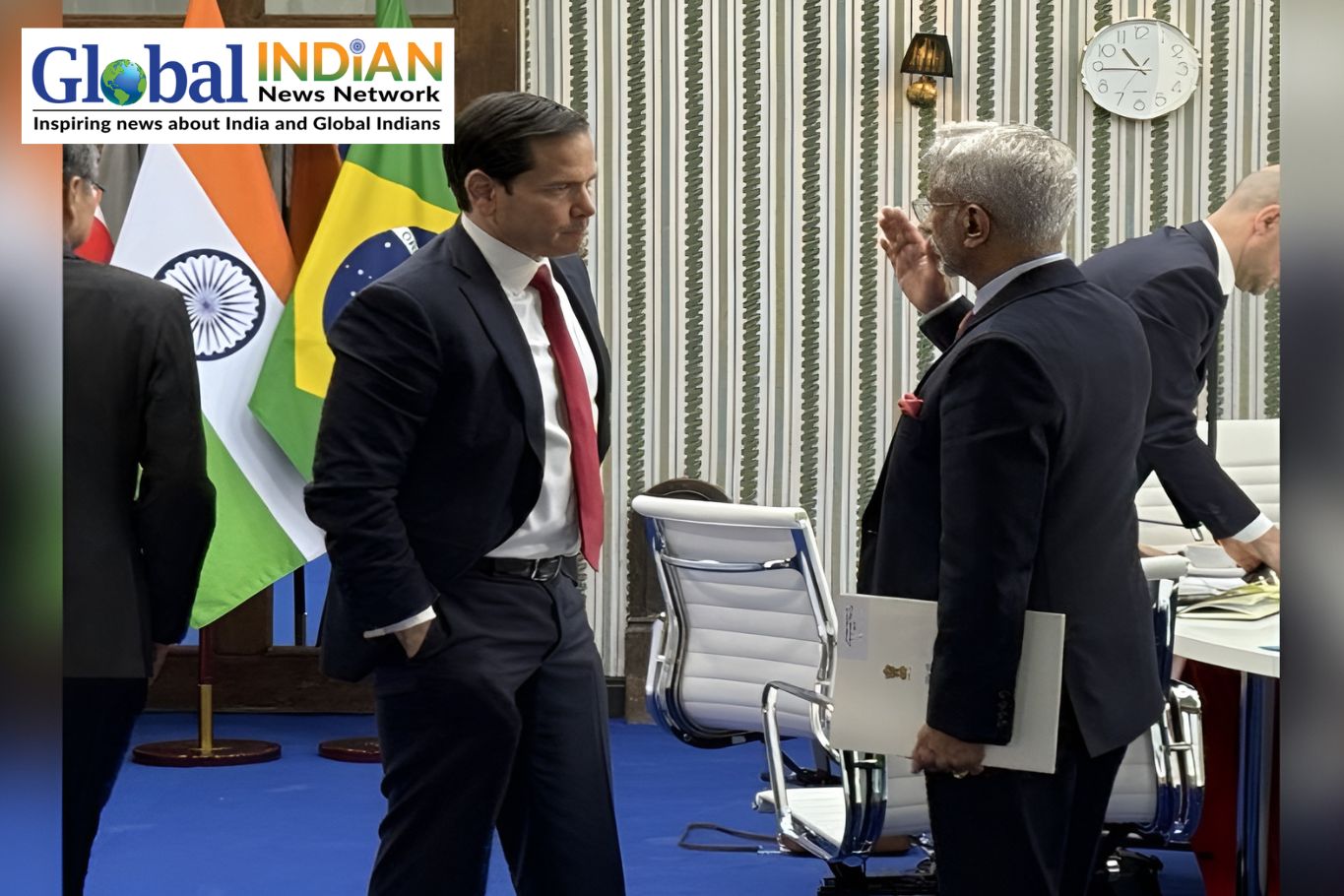
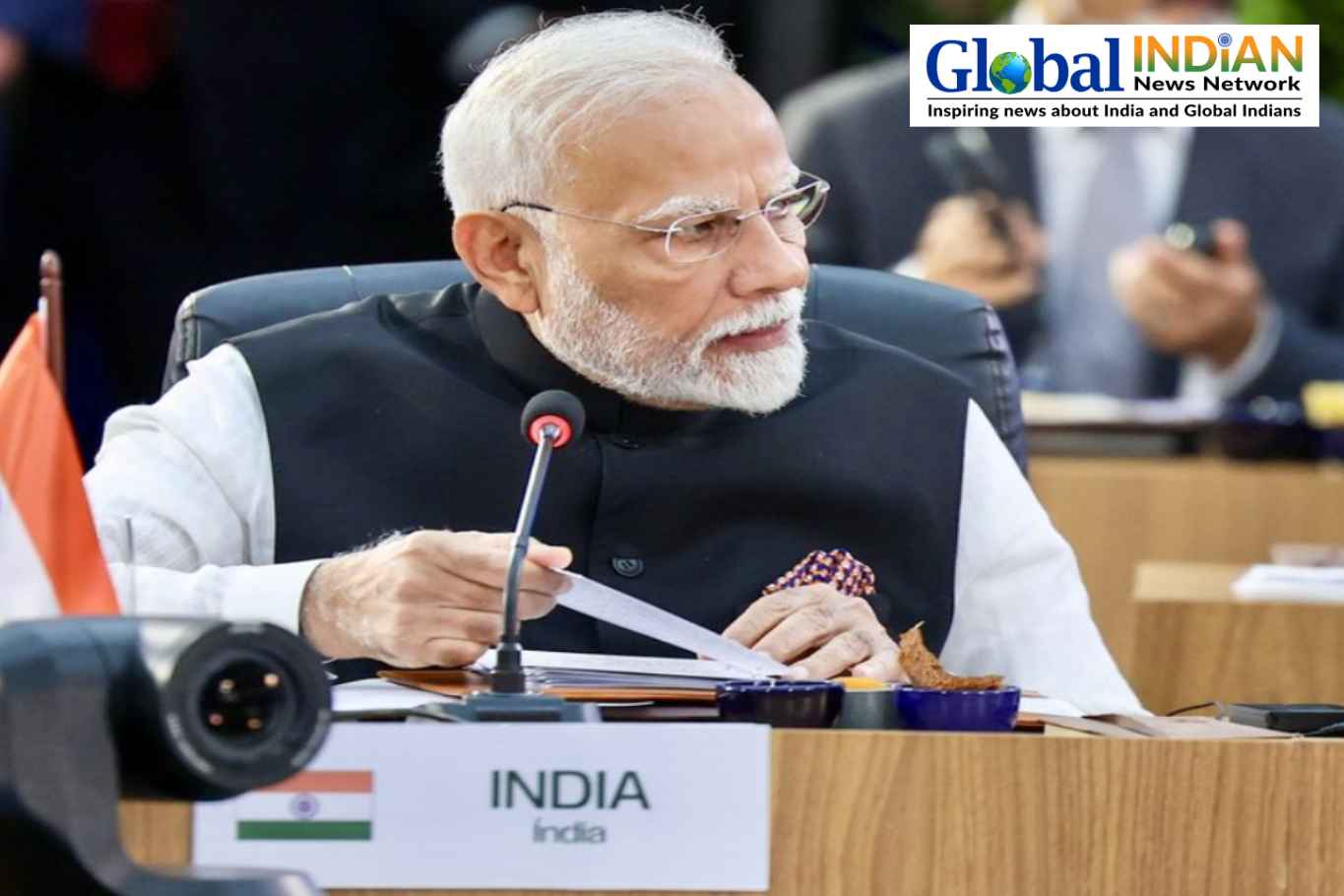
 India’s growing role as a stabilising force in a rapidly polarising global order is gaining renewed strategic importance, with its leadership of BRICS placing New Delhi at the centre of emerging geopolitical realignments.
As shifting power dynamics reshape global alliances, India’s presidency of BRICS has positioned it as a moderating influence within the bloc, preventing it from evolving into an overtly ideological or confrontational platform. New Delhi’s emphasis on economic cooperation, infrastructure development and inclusive growth reflects a deliberate effort to preserve BRICS as a development-oriented forum rather than a geopolitical instrument.
India’s leadership comes at a time of unprecedented global uncertainty, marked by increasing polarisation between traditional Western powers and the expanding influence of the Global South. In this environment, New Delhi’s strategic autonomy and multi-alignment approach allow it to engage constructively with multiple power centres while maintaining policy independence.
Observers note that India’s role within BRICS also limits excessive dominance by any single power and ensures that the bloc remains balanced in its outlook and objectives. This positioning strengthens India’s credibility as a responsible stakeholder in global governance, capable of bridging ideological divides and promoting cooperative solutions.
India’s broader foreign policy strategy reflects this balancing role, combining strong bilateral partnerships with active participation in multilateral frameworks. Through engagement in platforms such as BRICS and the Quad, New Delhi continues to shape a diplomatic architecture based on stability, inclusivity and shared prosperity.
As geopolitical competition intensifies, India’s approach underscores a long-term vision of global leadership rooted in dialogue, economic integration and strategic equilibrium, reinforcing its position as a vital stabilising force in an increasingly fragmented world order.