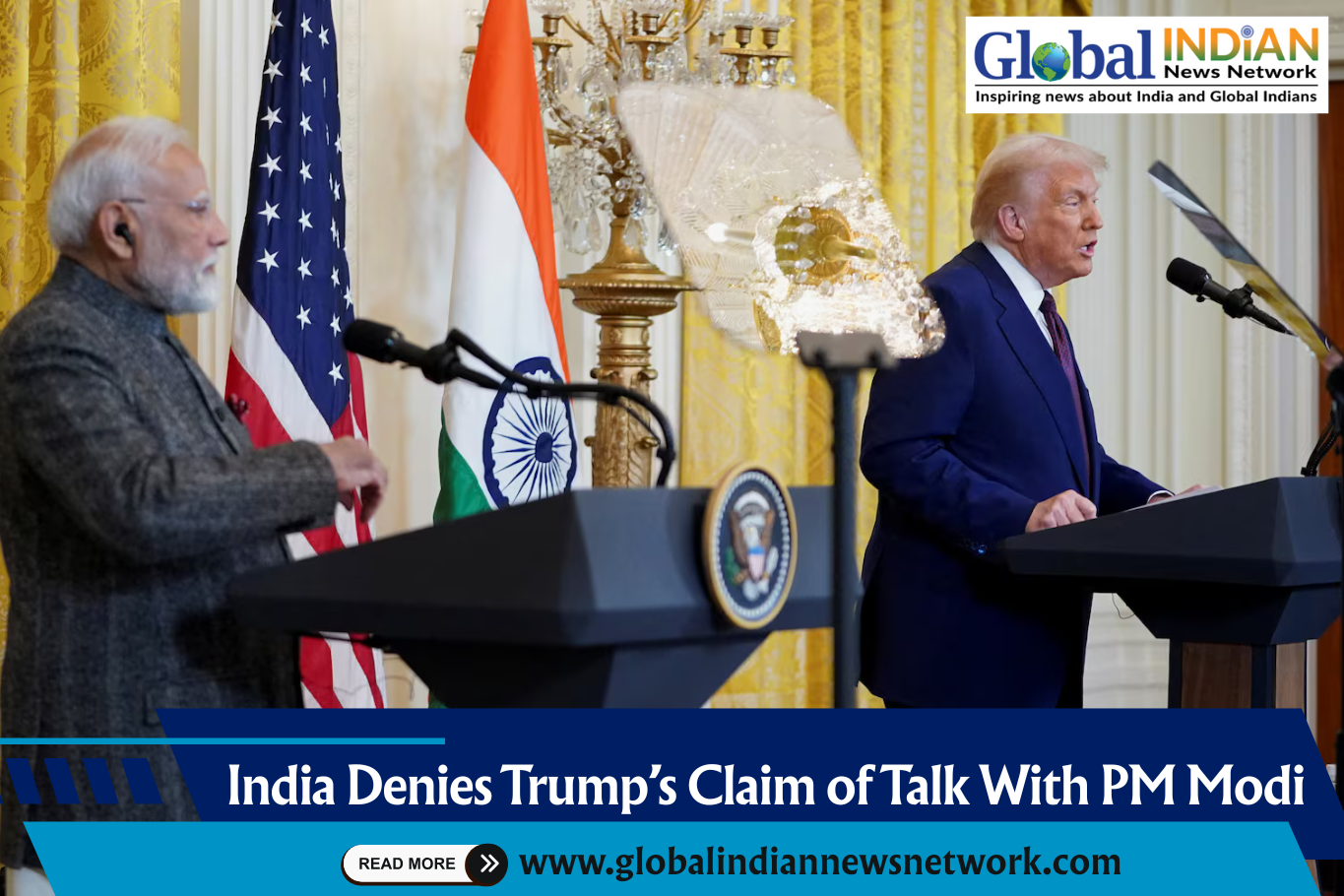
 India’s Ministry of External Affairs (MEA) has firmly denied that Prime Minister Narendra Modi spoke with US President Donald Trump regarding India’s purchase of Russian oil. Addressing reporters at the weekly press briefing on Thursday, MEA spokesperson Randhir Jaiswal clarified that no such phone conversation took place between the two leaders, contradicting Trump’s recent claim.
Trump had stated that his “friend” Prime Minister Modi had assured him India would cease buying Russian oil — a statement that quickly drew global attention. The former US president told reporters in Washington that he was “not happy” with India’s continued purchase of Russian crude, suggesting it indirectly supported Moscow’s ongoing conflict in Ukraine. He further claimed that Modi personally told him New Delhi would stop such imports “soon,” describing it as a “big step” toward isolating Russia economically.
However, New Delhi has rejected this assertion outright. The MEA emphasized that it was unaware of any communication between the two leaders in recent days and reiterated that India’s energy policies are determined solely by national interests, affordability, and energy security.
India remains the world’s third-largest oil importer and the second-largest buyer of Russian fossil fuels, following China. Since the Ukraine conflict began in early 2022, India has diversified its crude sourcing to include discounted Russian oil, citing economic pragmatism. Despite pressure from Western nations, India maintains an independent stance, describing its position on the Russia-Ukraine war as “balanced and autonomous.”
Tensions between New Delhi and Washington have escalated recently after Trump announced steep tariff hikes — doubling duties on Indian exports to 50%, including an additional 25% surcharge tied to Russian crude purchases. India termed the move “unfair and unreasonable.”
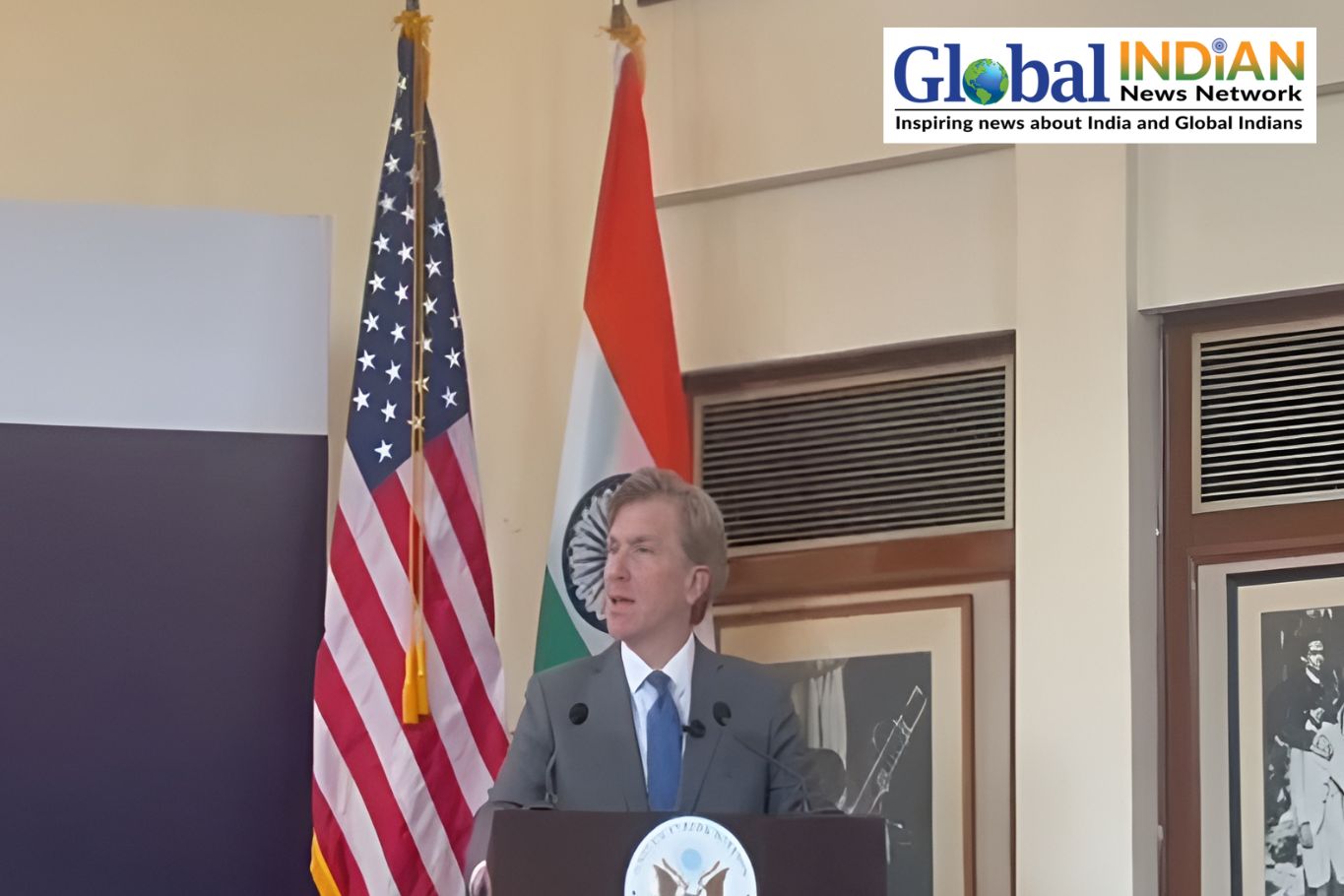
Meanwhile, US Ambassador-designate Sergio Gor, currently in New Delhi, reaffirmed America’s desire to strengthen bilateral ties, meeting with Prime Minister Modi, External Affairs Minister S. Jaishankar, and NSA Ajit Doval. Despite the friction, both nations continue to emphasize long-term cooperation in trade, defense, and technology.
India’s clear denial underscores its resolve to maintain sovereignty over its foreign and energy policies while managing one of the world’s most complex diplomatic relationships.