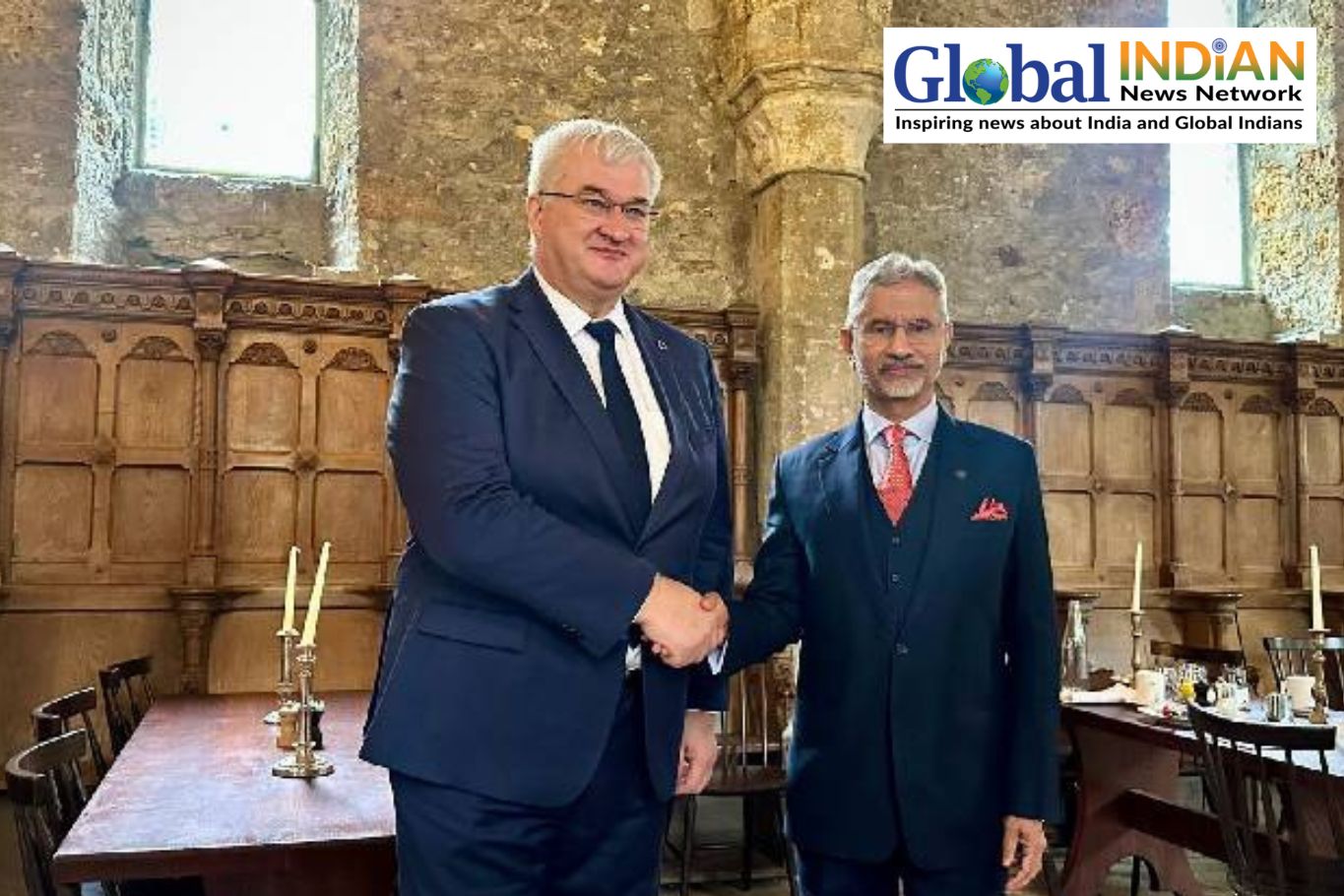
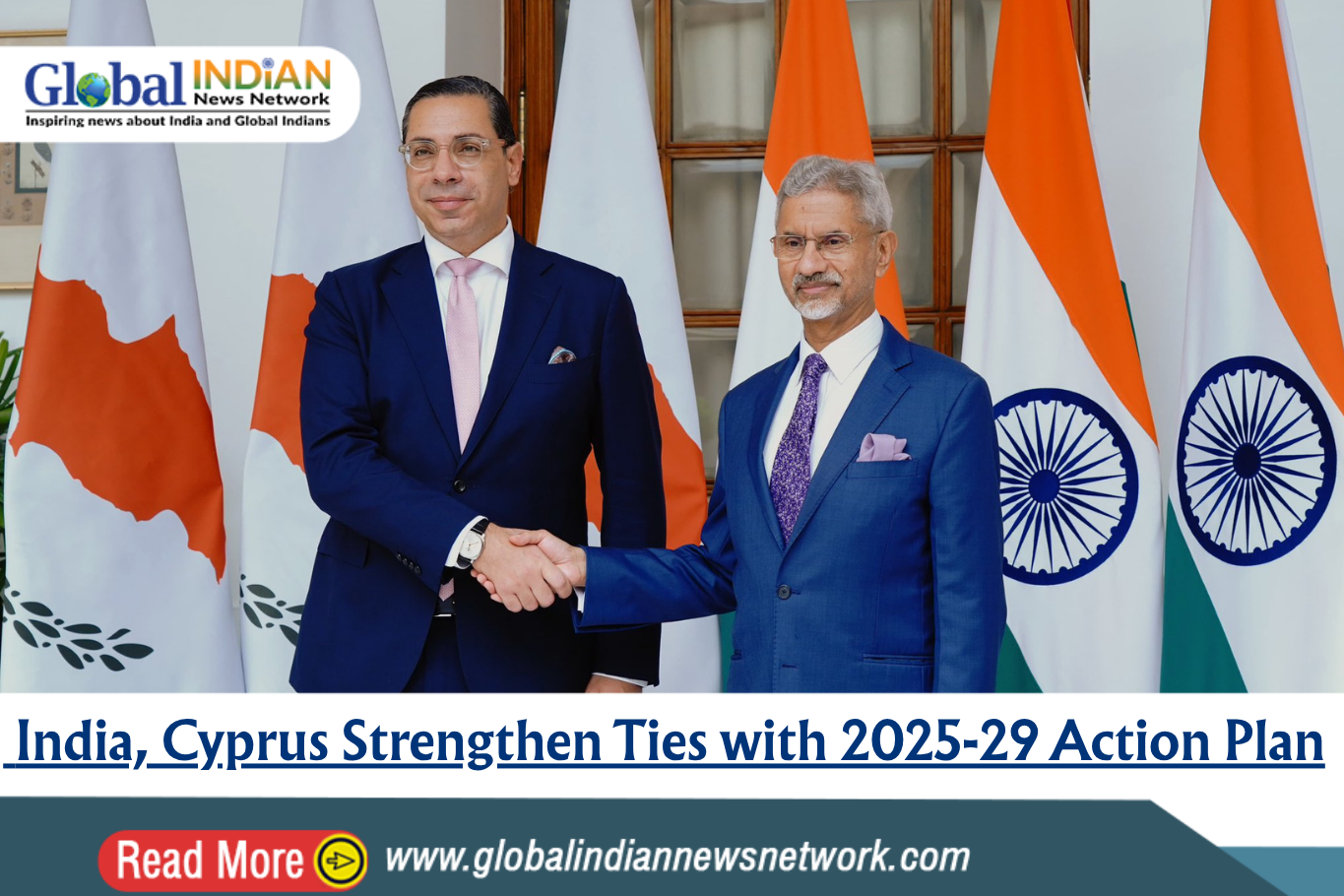
 External Affairs Minister S. Jaishankar met Cyprus Foreign Minister Constantinos Kombos in New Delhi on Thursday, marking a key step in reinforcing India-Cyprus relations. The leaders reviewed the India-Cyprus Joint Action Plan 2025–2029, which outlines the roadmap for collaboration in defense, trade, innovation, and technology. The framework was first agreed upon during Prime Minister Narendra Modi’s visit to Cyprus in June 2025.
During the meeting, Jaishankar shared that discussions extended beyond bilateral cooperation to include global geopolitical developments and regional affairs. He expressed confidence that as Cyprus assumes the European Union Presidency in 2026, India-EU relations will gain greater momentum. “India and Cyprus are trusted friends and reliable partners,” Jaishankar emphasized, underscoring that their relationship is founded on shared democratic principles and mutual respect.
Foreign Minister Kombos, on his first official visit to India, described the engagement as “honored and productive.” He highlighted that his visit soon after PM Modi’s trip to Cyprus demonstrates the growing depth of their strategic partnership. Both ministers reaffirmed their commitment to implementing the Joint Action Plan, which defines short, medium, and long-term goals aimed at fostering innovation and mutual growth.
The two sides also discussed the European Union’s role in the evolving geopolitical environment, as well as key regional developments, including the conflicts in Ukraine and the Middle East. Kombos expressed gratitude for India’s unwavering stance on the Cyprus issue, recognizing New Delhi’s support for the island nation’s sovereignty and unity under the United Nations framework.
Jaishankar, in turn, thanked Cyprus for backing India’s fight against cross-border terrorism and its continued support for India’s bid for Permanent Membership in the UN Security Council. He acknowledged Cyprus’ condemnation of the Pahalgam terrorist attack and its solidarity with India’s anti-terrorism stance.
Kombos’ three-day official visit to India reflects the shared vision between both nations to strengthen cooperation through diplomacy, innovation, and multilateral engagement—anchoring a forward-looking partnership that aligns with global and regional aspirations.