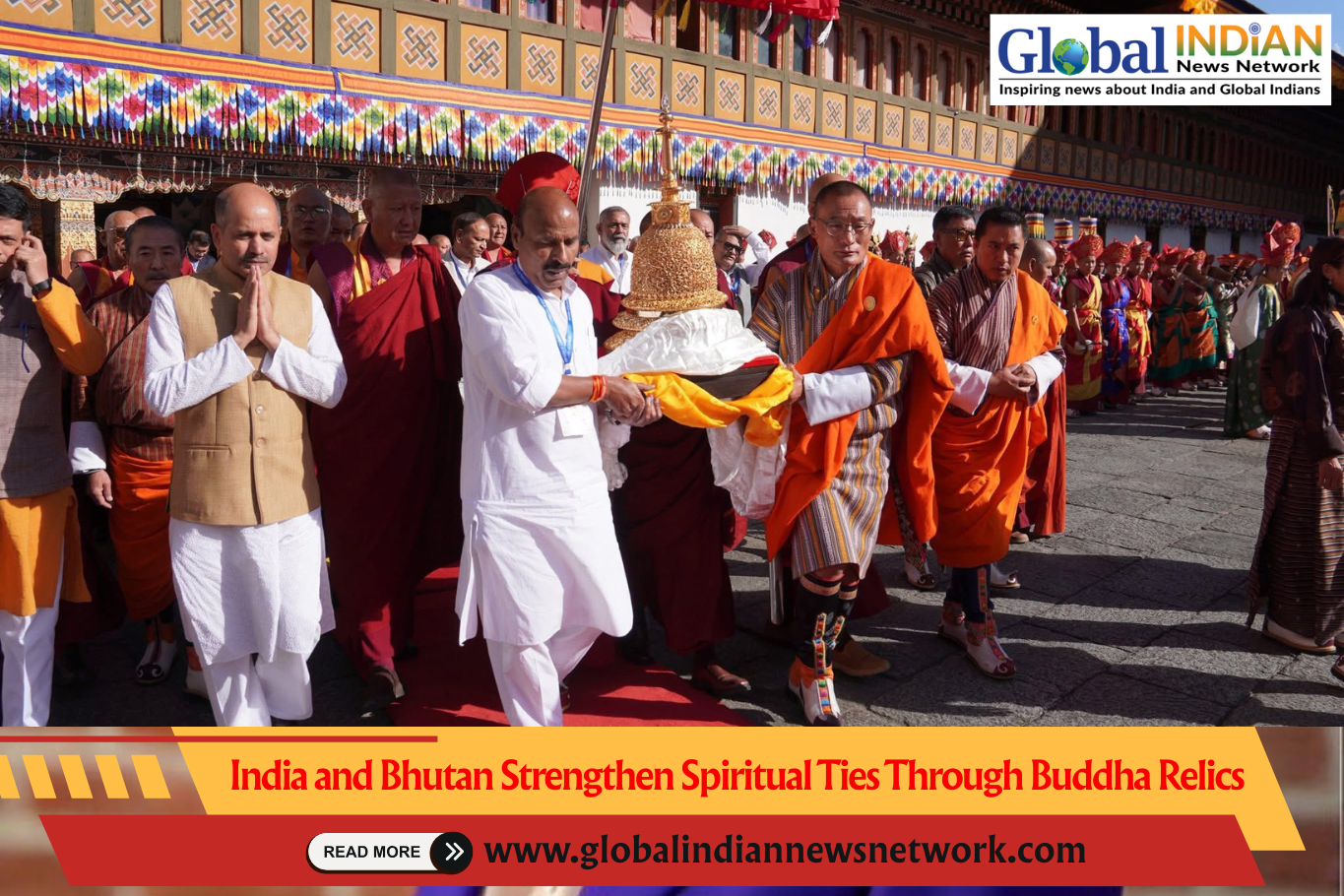
 In a moment that deepened the spiritual and cultural bond between India and Bhutan, sacred relics of Lord Buddha arrived in Bhutan for public exposition from November 8 to 18. The relics, enshrined at the National Museum in New Delhi, were received with reverence at Paro International Airport, marking another milestone in the enduring friendship between the two nations.
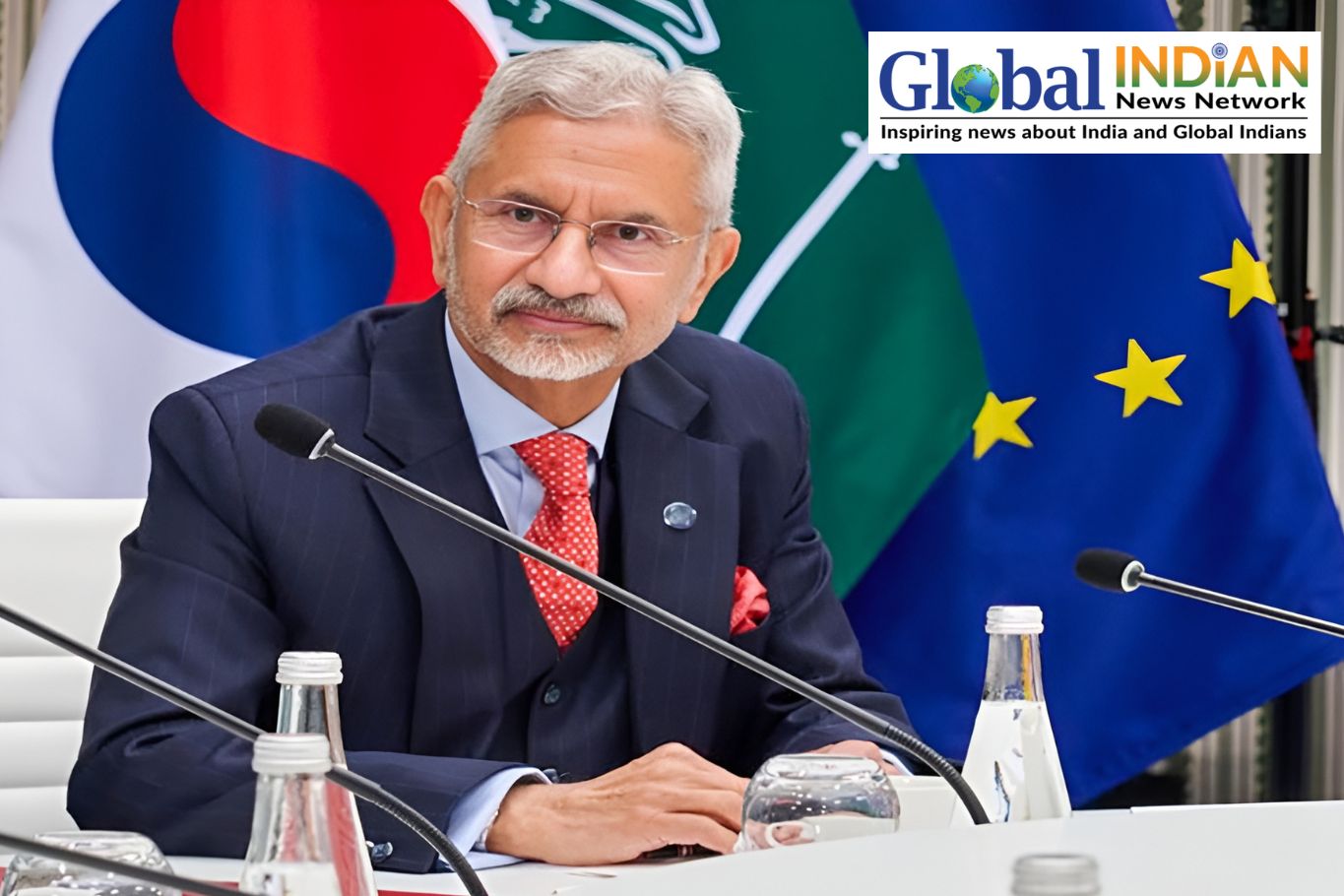
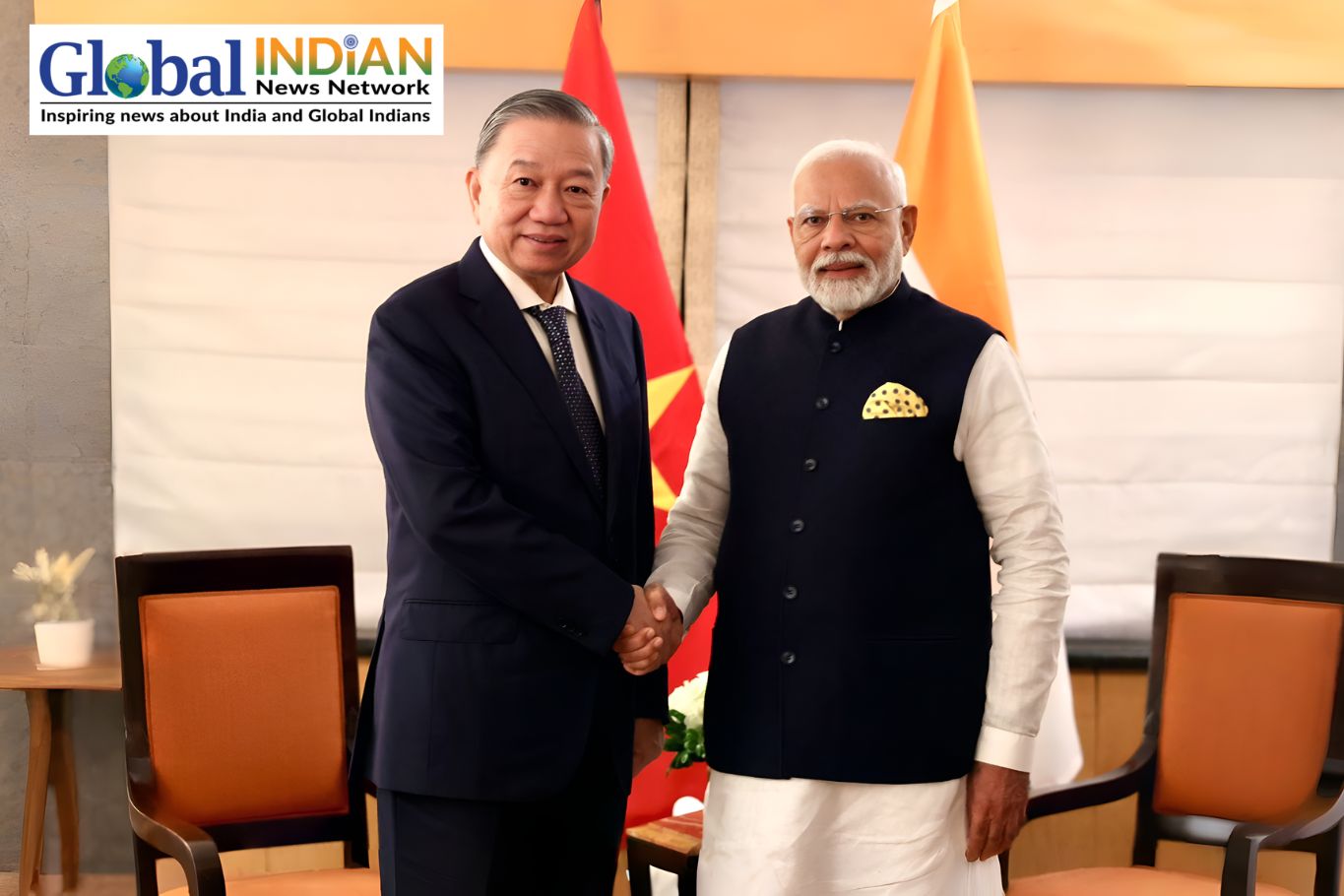
External Affairs Minister Dr. S. Jaishankar expressed heartfelt appreciation for Bhutan’s warm welcome. Taking to social media, he shared his gratitude to the government and people of Bhutan for their devotion and respect toward the holy relics, describing the moment as profoundly moving. Prime Minister Narendra Modi also extended thanks, acknowledging Bhutan’s deep spiritual connection with India. He emphasized that the relics embody Buddha’s timeless messages of peace, compassion, and harmony that unite the two countries through shared cultural heritage.
The Indian delegation, led by Union Minister for Social Justice and Empowerment Virendra Kumar, included senior Buddhist monks and officials. Upon arrival, the relics were received by Bhutan’s Home Minister Tshering, Tshoki Lopen of the Central Monastic Body, the Mayor of Paro Norbu Wangchuk, and Indian Ambassador Sandeep Arya. Members of the Bhutanese royal family, including the Royal Queen Mother Dorji Wangmo Wangchuck and Prince Jigyel Ugyen Wangchuck, also paid their respects during the solemn ceremony.
Following the ceremonial welcome, the relics were escorted to Thimphu’s Tashichho Dzong, where they were enshrined with traditional Buddhist rituals. Minister Virendra Kumar said that the event symbolizes the shared heritage of peace and compassion that continues to guide both nations. Bhutanese Prime Minister Tshering Tobgay thanked India and Prime Minister Modi for facilitating the sacred visit, calling it a milestone in Bhutan-India relations. He noted that the initiative, envisioned by the King of Bhutan, represents a vision of global peace and unity.
The International Buddhist Confederation (IBC) is organizing three thematic exhibitions during the event, exploring Guru Padmasambhava’s legacy, Buddha’s life and teachings, and the historical significance of the sacred relics. Buddhism has long shaped Bhutan’s spiritual and cultural identity, reflected in its ancient monasteries and the nation’s philosophy of Gross National Happiness.
This exposition is part of India’s broader effort to share its Buddhist legacy globally, following successful exhibitions in Mongolia, Thailand, Vietnam, and Russia. It also comes after India’s retrieval of the historic Piprahwa Jewel Relics, underscoring the government’s enduring commitment to safeguarding and celebrating its spiritual heritage.