 The India-Brazil-South Africa (IBSA) Fund has emerged as a significant platform for South-South cooperation, promoting women’s empowerment through development initiatives across multiple countries.
Leaders from the three nations highlighted the growing impact of the fund during discussions focused on women-led development and international cooperation. Established in 2004, the IBSA Fund has supported more than 50 development assistance projects across nearly 40 countries, demonstrating the collective commitment of emerging economies to sustainable development.
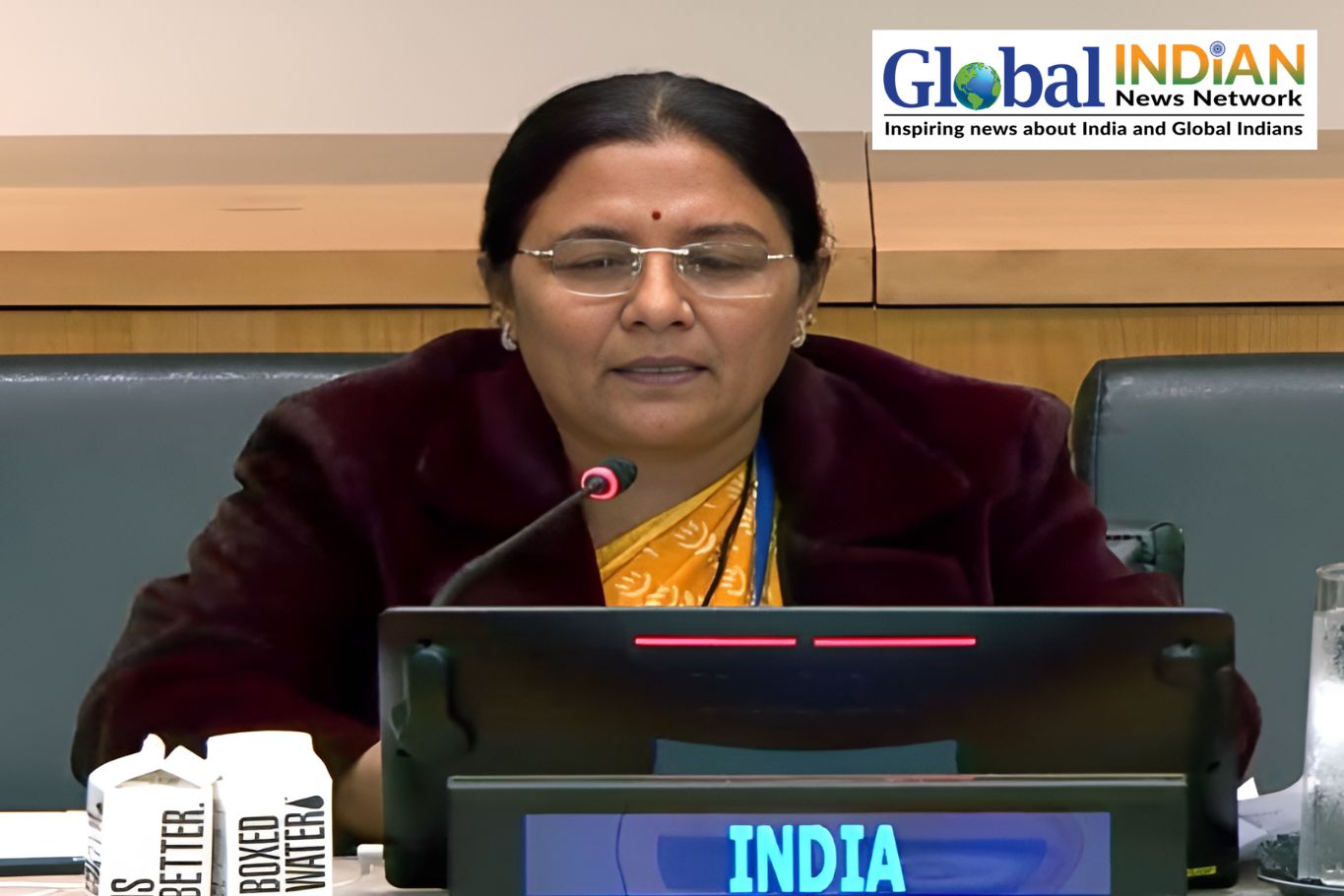
India’s Minister of State for Women and Child Development, Savitri Thakur, described the fund as a far-sighted initiative that reflects the shared vision of India, Brazil and South Africa. She noted that the fund has actively supported projects aimed at improving the lives and opportunities of women in developing regions.
Thakur emphasised that several initiatives under the IBSA framework directly contribute to women’s development, strengthening economic participation, education access and social empowerment.
South Africa’s Minister for Women, Youth and Persons with Disabilities, Sindisiwe Chikunga, underlined the broader significance of South-South cooperation in advancing gender equality. She said such partnerships become even more critical at a time when global multilateral institutions face increasing pressure and development finance mechanisms are becoming more contested.
According to Chikunga, the IBSA Fund offers an alternative development model that prioritises the voices and needs of emerging and developing economies while promoting accountability to the communities they serve.
India’s Permanent Representative to the United Nations, P Harish, said empowering women to contribute effectively to productive economies acts as a powerful multiplier for overall development. He noted that in a world where traditional development assistance structures are under strain and trust between the Global North and South is increasingly challenged, the IBSA Fund stands out as a credible and effective model of cooperation.
A key feature of the fund is its demand-driven approach, allowing partner countries to identify their own development priorities. This approach reflects the core principles of South-South cooperation and ensures that projects respond directly to local needs.
Brazil’s Vice Minister for Women, Thalia Barbosa Rodrigues Neves, stressed that sustainable and democratic development cannot be achieved without the full participation of women. She highlighted the importance of providing women access to income opportunities, education, land ownership, credit, technology and social protection.
Neves cited several successful initiatives supported by the IBSA Fund, including programmes assisting Ugandan women in expanding agricultural production, technology training for women in Fiji to improve family health, and support for female legislators in Liberia to strengthen governance and leadership roles.
These initiatives demonstrate how development efforts led by women not only address social challenges but also contribute directly to sustainable and inclusive economic growth.
The continued success of the IBSA Fund underscores the growing importance of South-South partnerships in addressing global development challenges while advancing gender equality and inclusive progress across the Global South.