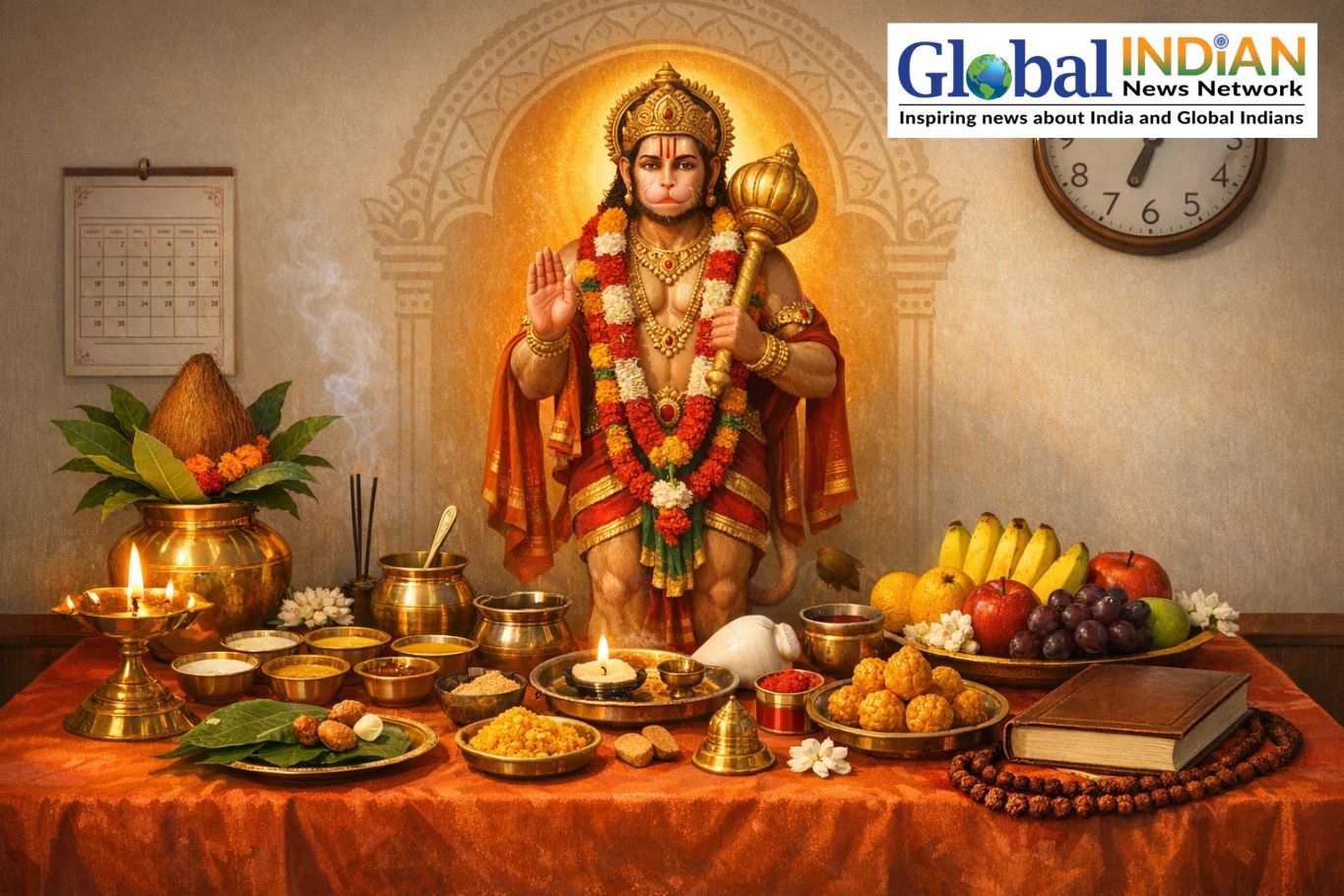
 Hanuman Jayanti is being observed on April 2, 2026, commemorating the birth of Lord Hanuman, a central figure known for his unmatched strength, devotion, and loyalty. Celebrated on the auspicious occasion of Chaitra Purnima, the festival holds immense importance among Hindu communities worldwide. According to traditional timings, the Purnima tithi began at 7:06 AM on April 1, 2026, and concluded at 7:41 AM on April 2, 2026, making this period especially significant for prayers and rituals.
Devotees mark the occasion by visiting temples, applying sindoor, observing fasts, and chanting sacred verses such as the Hanuman Chalisa. These practices are believed to invoke blessings for courage, protection, and inner strength. While these customs are an integral part of the celebration, the deeper meaning of Hanuman Jayanti goes beyond ritualistic observances. It serves as a reminder of the values that contribute to a purposeful and disciplined life.
In the Ramayana, Hanuman stands out as a symbol of selfless service and unwavering devotion to Lord Rama. Despite possessing extraordinary powers, he never allowed pride to influence his actions. Instead, he remained humble and dedicated, referring to himself as a servant of a higher cause. In a modern context where success is often measured by visibility and achievement, his life offers a refreshing perspective on the importance of humility and meaningful contribution.
Another key lesson associated with Hanuman is the ability to overcome inner challenges. He is widely known as a remover of obstacles, but his true significance lies in guiding individuals to conquer internal struggles such as fear, anger, ego, attachment, and laziness. In today’s fast-paced world, where stress and anxiety are common, his teachings highlight that real strength comes from mental discipline and emotional balance.
Hanuman is also recognized for his wisdom and intellect. Often described as one of the most knowledgeable figures, he combined strength with intelligence, strategic thinking, and effective communication. Importantly, his knowledge was always grounded in humility, offering a valuable lesson that true wisdom should never lead to arrogance but should serve a greater purpose.
The festival also emphasizes the importance of balancing knowledge, devotion, and action. Knowledge provides direction, devotion inspires purpose, and action ensures results. Hanuman’s life represents the perfect integration of these elements, making him a timeless role model for both personal growth and leadership.
A popular childhood story of Hanuman, where he attempted to swallow the sun thinking it was a fruit, symbolizes fearless curiosity and limitless potential. This narrative encourages nurturing ambition in children while guiding it with discipline and strong moral values.
Ultimately, Hanuman Jayanti is not just about rituals but about embracing these teachings in everyday life. By practicing courage, humility, discipline, and selfless service, individuals can bring meaningful change within themselves and in society. The festival serves as a call to awaken inner strength, let go of ego, and live with a clear sense of purpose.