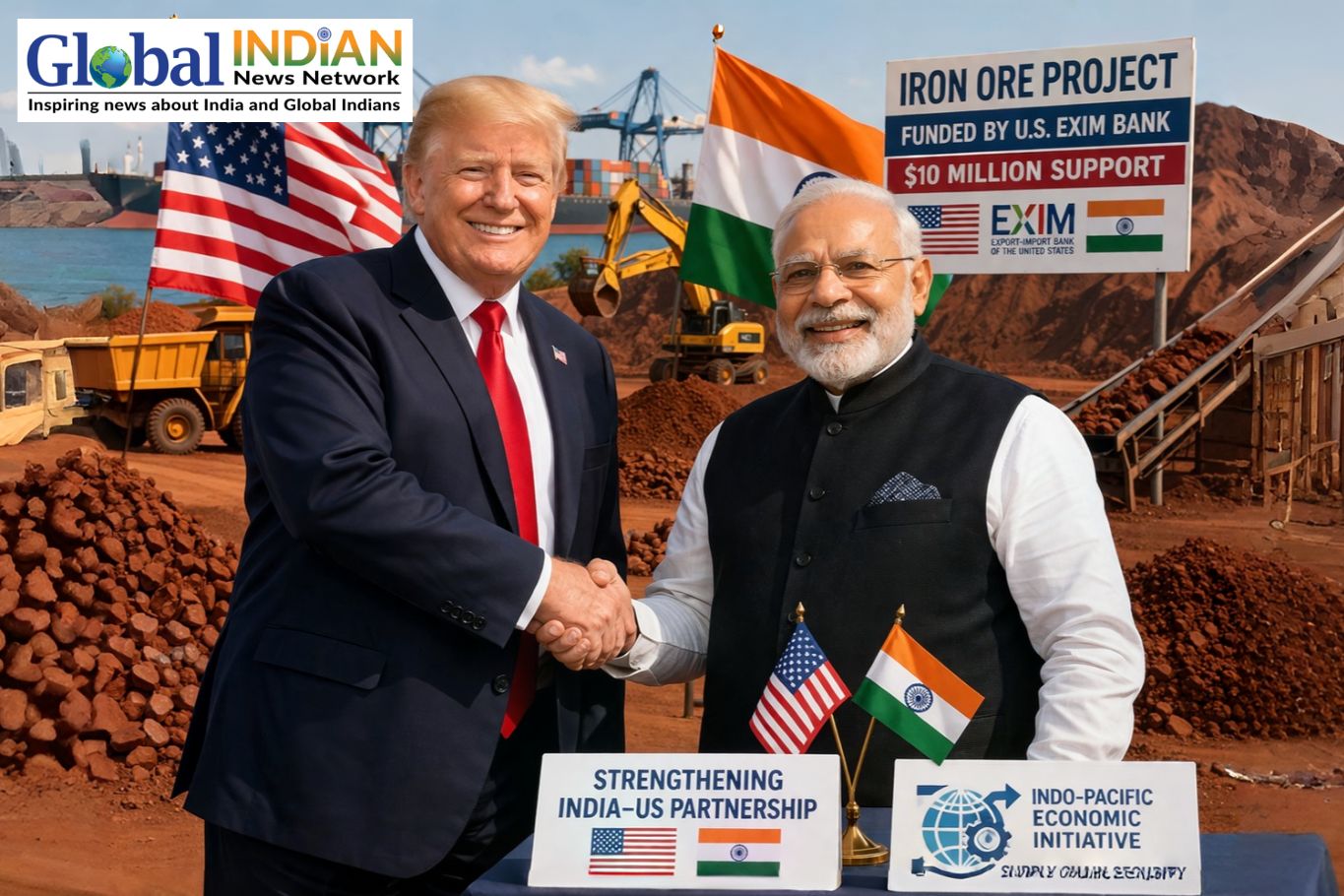
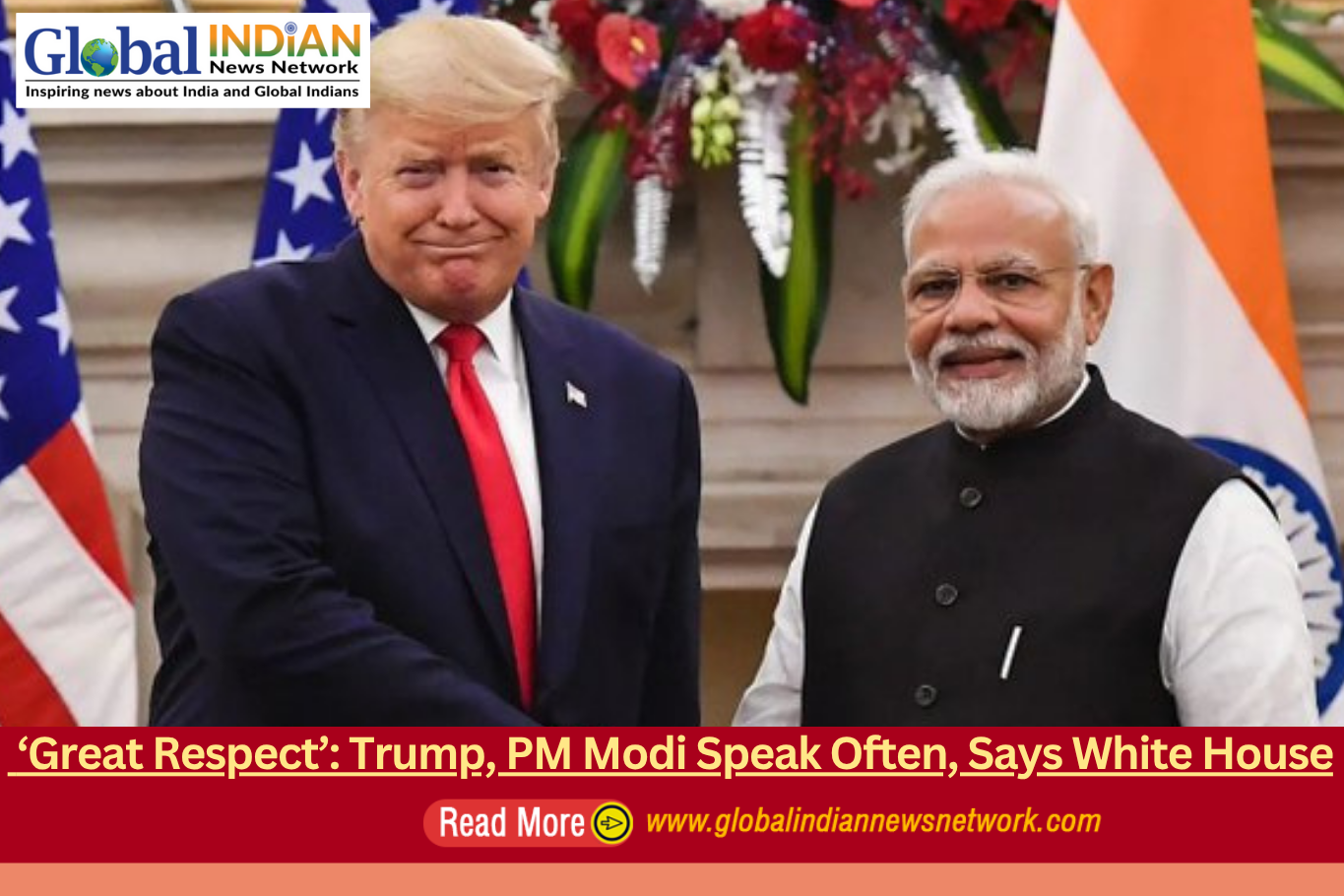
 The White House confirmed that President Donald Trump maintains frequent communication with Indian Prime Minister Narendra Modi as both countries work toward finalizing a bilateral trade agreement. White House spokesperson Karoline Leavitt emphasized Trump’s admiration for Modi, stating that the two leaders “speak pretty frequently” and that the administration remains deeply engaged in trade discussions with India.
Leavitt added that the president holds a strong and optimistic view of India-US relations. During Diwali celebrations in the Oval Office, Trump personally spoke with Modi while surrounded by prominent Indian-American officials. She also noted the active involvement of Sergio Gor, the US Ambassador to India, in facilitating these ongoing talks.
Negotiations for a fair and balanced bilateral trade agreement began in March 2025, aiming to conclude the first phase by fall of the same year. So far, five rounds of discussions have been completed, focusing on achieving mutually beneficial terms for both sides.
Despite this progress, the path to the deal has not been entirely smooth. Tensions rose after the Trump administration imposed a steep 50% tariff on Indian goods—25% reciprocal and an additional 25% penalty for India’s purchase of Russian oil. India criticized the move as “unfair and unjustified,” which temporarily stalled the trade negotiations.
However, diplomatic efforts have since resumed. While speaking during his visit to South Korea, Trump reiterated his commitment to completing a trade pact with India, describing Modi as a respected and trusted partner. “I’m doing a trade deal with India, and I have great respect and love for Prime Minister Modi; we have a great relationship,” he stated.
Echoing this sentiment, India’s Commerce and Industry Minister Piyush Goyal confirmed that both nations are in advanced stages of finalizing the trade agreement. Speaking at the ET Startup Awards, Goyal said India is negotiating actively with both the US and the EU but will not rush into any agreement. Earlier, at the Berlin Global Dialogue, he stressed that India would only sign deals that serve its long-term national interests, ensuring fairness and balance in every negotiation.