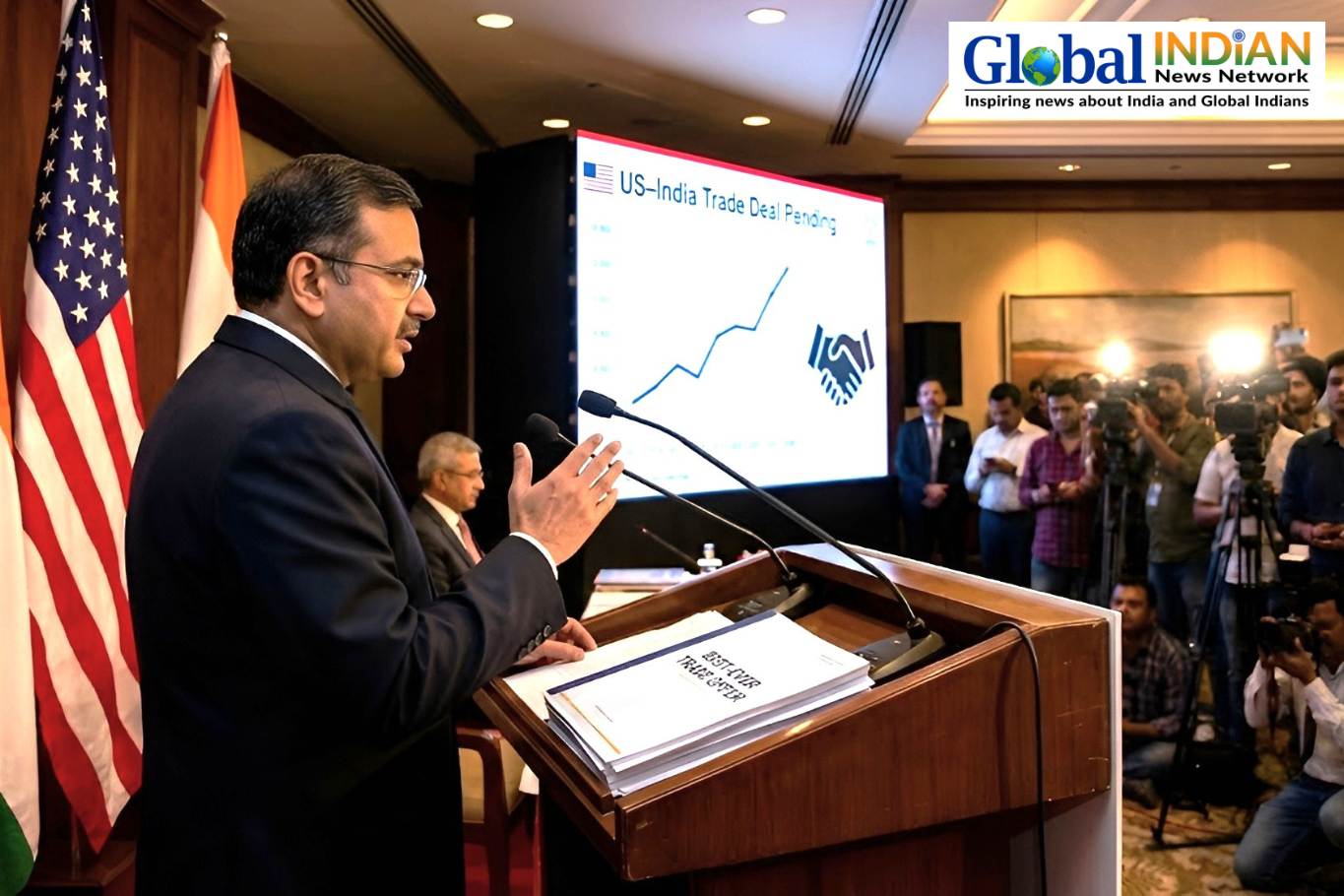
 Commerce and Industry Minister Piyush Goyal has signaled optimism over the ongoing India-US trade discussions, stating that a deal is meaningful only when both nations benefit. His comments come after a U.S. Trade Representative official described India’s proposals as the “best ever” during recent negotiations. While Goyal did not provide a timeline for the finalization of the bilateral trade agreement, he noted that if the United States is satisfied with India’s offerings, the agreement should be formalized without delay.
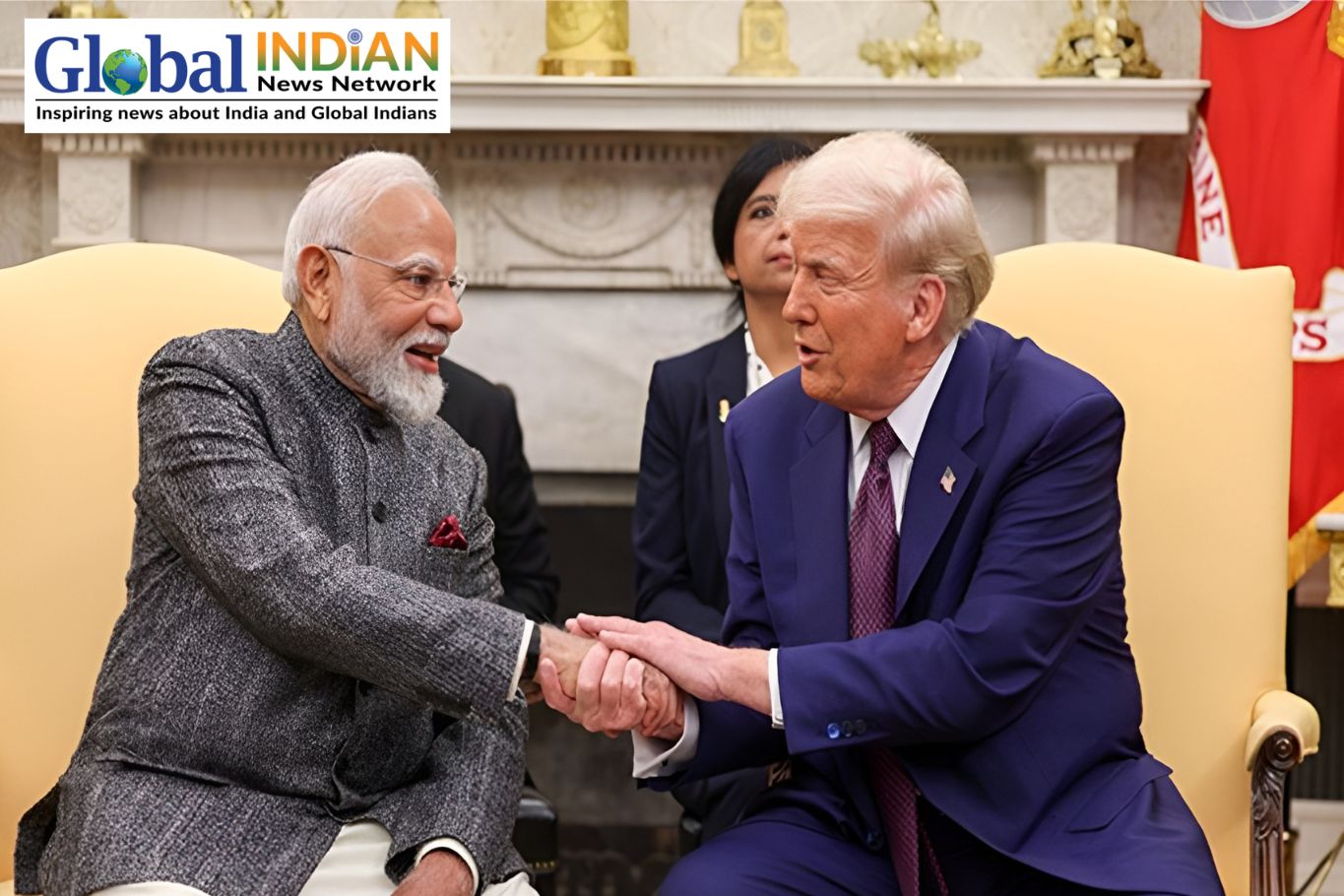
Goyal was responding to remarks by U.S. Trade Representative Jamieson Greer, who praised India’s proposals as unprecedented. “Their satisfaction is very welcome. If they are pleased, signing the agreement should be the next logical step,” Goyal stated, according to reports. His comments coincide with another round of discussions in India, aimed at progressing the bilateral trade framework. Earlier this evening, Prime Minister Narendra Modi also spoke with U.S. President Donald Trump on issues including trade and defense.
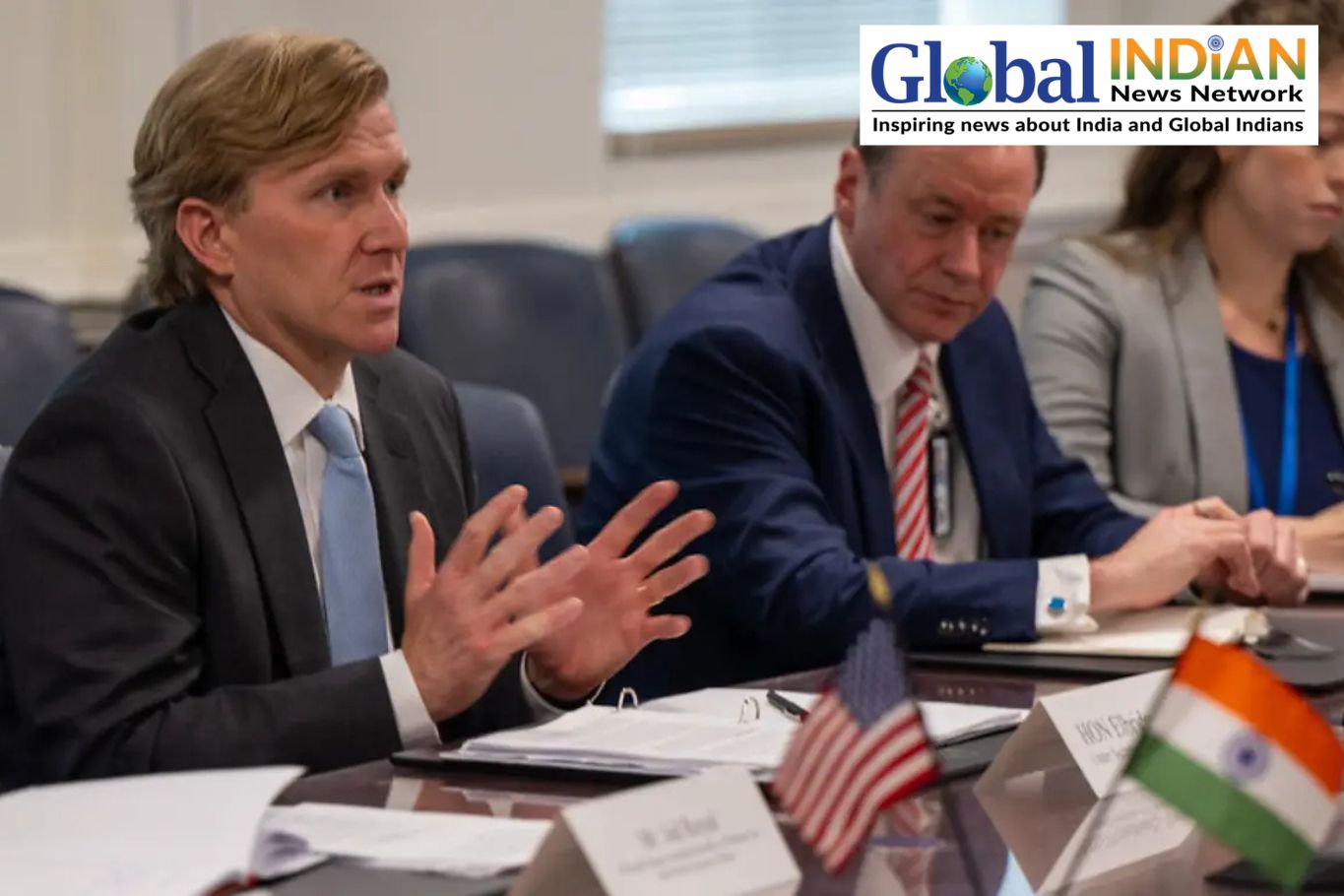
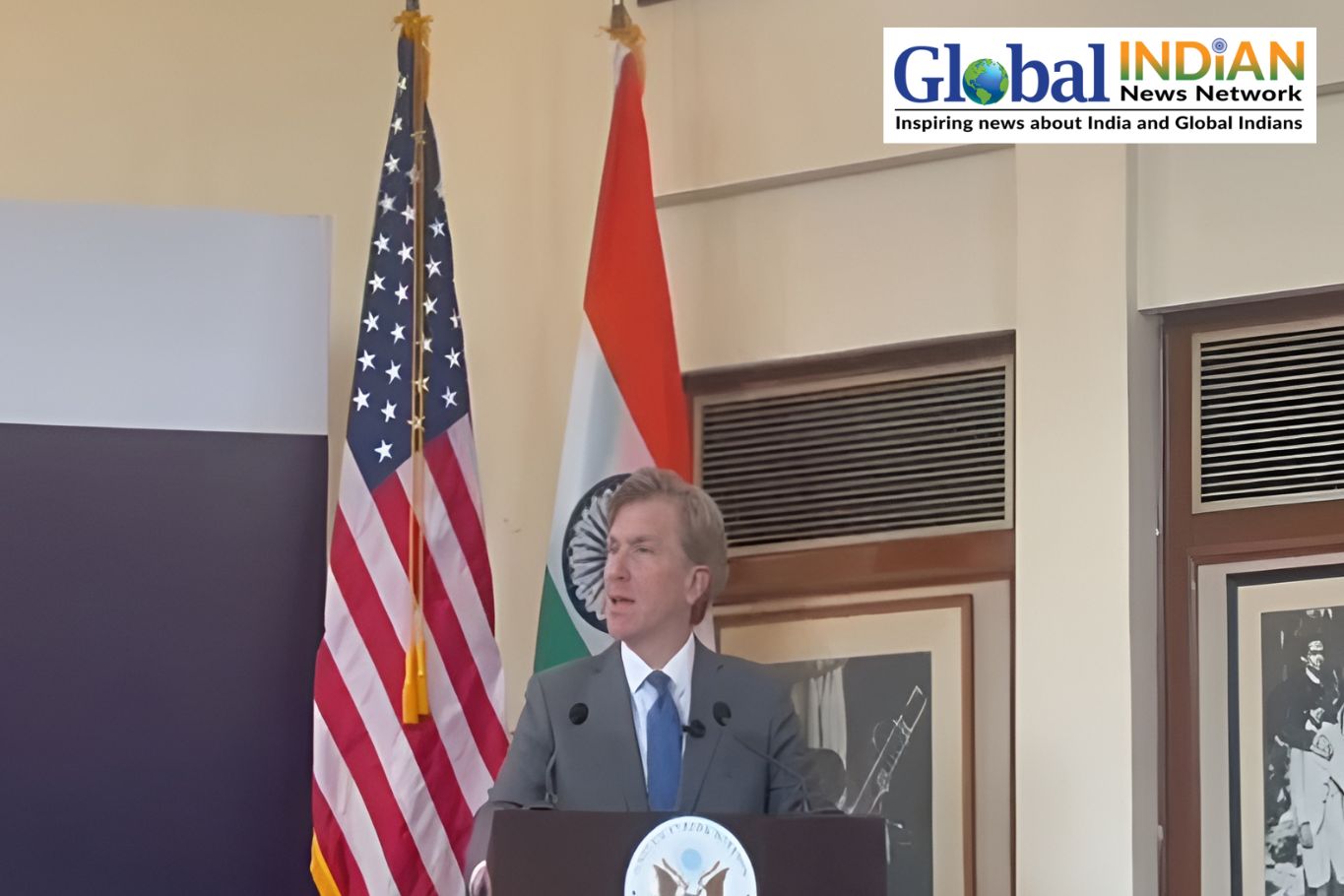
The Indian minister confirmed that five rounds of formal trade negotiations have already been conducted. Meanwhile, U.S. Deputy Trade Representative Rick Switzer’s current visit to India, his first since assuming office three months ago, focuses on fostering mutual understanding rather than formal negotiations. During his visit, Switzer engaged in extensive discussions with Goyal and other Indian officials.
Highlighting India’s strategic approach, Goyal emphasized, “A deal is only done when both sides stand to gain. Negotiating under strict deadlines can lead to mistakes, so we prefer a measured approach.” He has been actively pursuing Free Trade Agreements globally, including with Chile, Israel, and New Zealand, demonstrating India’s broader trade ambitions.
Greer described India as a “difficult nut to crack” regarding row crops and certain meat imports but noted the country has presented forward-leaning proposals that offer viable alternatives for U.S. markets. These discussions are critical as the Trump administration has imposed substantial 50 percent tariffs on Indian goods, affecting exports and putting pressure on the rupee, which recently crossed 90 per dollar.
Indian exporters are closely monitoring the talks, as the U.S. accounts for roughly 18 percent of the nation’s exports. The initial 25 percent duty, followed by an additional 25 percent levy due to India’s Russian crude imports, has heightened the urgency for a trade agreement. India maintains that addressing these tariffs is essential to successfully conclude the first phase of the bilateral trade deal.