 India is set to host the Global Economic Cooperation 2026 (GEC 2026), a high-level international forum aimed at strengthening infrastructure financing, economic diplomacy, and resilient supply chains in an increasingly multipolar global economy.
The three-day event will be held in Mumbai from February 17 and is expected to bring together senior policymakers, global CEOs, investors, and leaders of multilateral institutions from India and abroad. Organised by the Future Economic Cooperation Council (FECC) in partnership with the Ministry of External Affairs and the Government of Maharashtra, the forum will focus on cooperation beyond traditional trade frameworks.
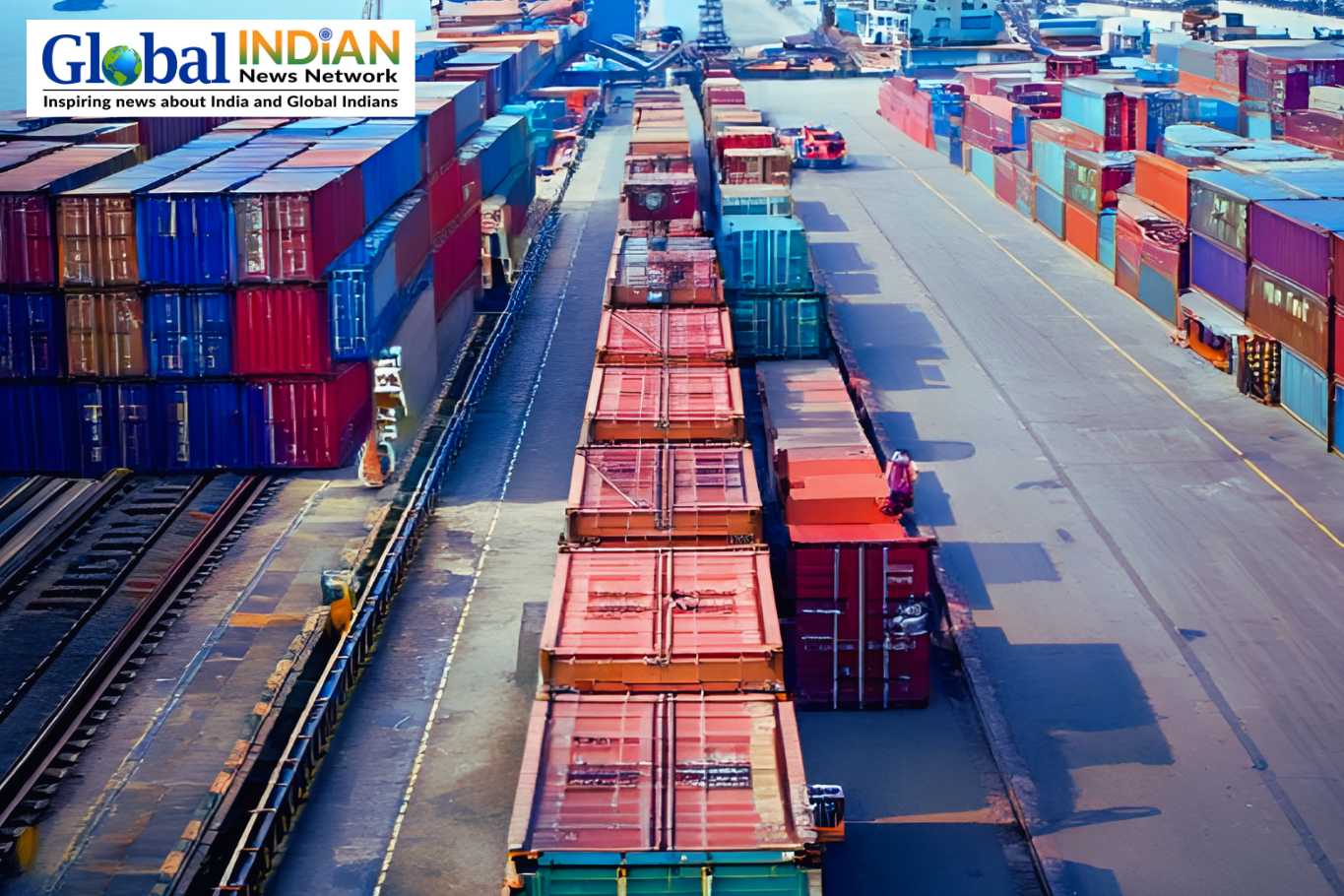
GEC 2026 will feature structured engagement across key sectors including infrastructure financing, advanced manufacturing, technology systems, energy transition, and supply chain resilience. High-level plenary sessions and closed-door dialogues will examine economic corridors, investment partnerships, digital connectivity, ESG frameworks, and the governance of emerging technologies—areas increasingly central to economic sovereignty and global stability.
According to FECC Director Priyam Gandhi-Mody, the global economy is entering a decisive decade marked by risks of fragmentation, protectionism, and uncertainty. She said the forum reflects India’s effort to convene governments, investors, and industry leaders to chart practical pathways for cooperation across capital, infrastructure, technology, and energy, aligned with the realities of a multipolar world.
A key highlight of the summit will be the launch of the Emerging Leaders Circle on the third day. The initiative aims to engage young business minds and future leaders through curated discussions on global economic transformation and innovation. The platform will be convened in collaboration with leading academic institutions, including the Indian Institutes of Management and Columbia University.
Envisaged as an annual forum, Global Economic Cooperation 2026 seeks to build sustained dialogue among ministerial leadership, sovereign and institutional investors, and CEOs from critical sectors such as infrastructure, logistics, ports, clean energy, artificial intelligence, fintech, and advanced manufacturing, reinforcing India’s growing role in shaping global economic cooperation.