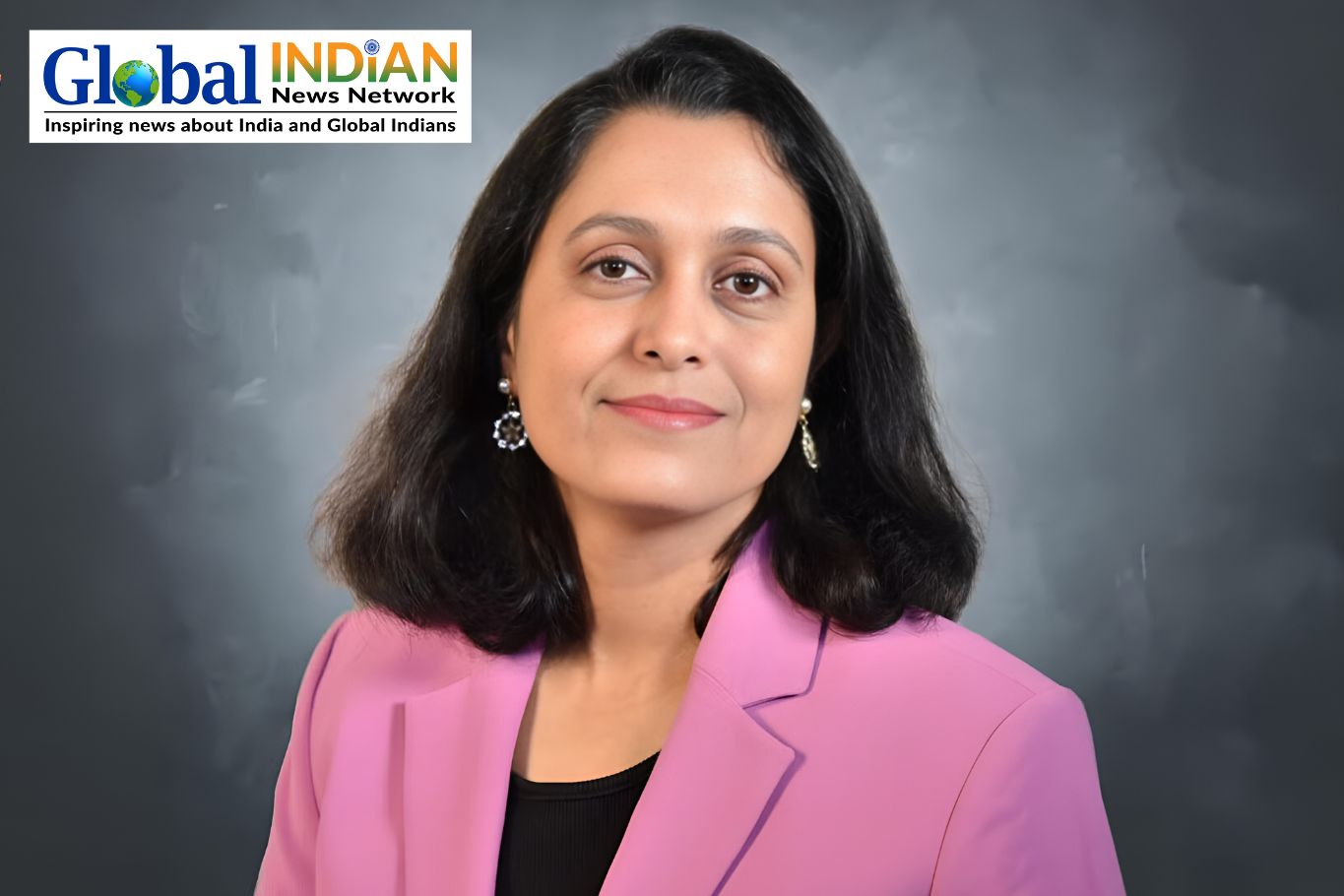
 In celebration of its 100th year, the Guggenheim Foundation has announced the 2025 recipients of its prestigious fellowships. Among the 198 selected from nearly 3,500 applications across 53 disciplines, four Indian American professors stand out for their exceptional contributions to science, society, and storytelling.
Swarat Chaudhuri, a computer science professor at the University of Texas at Austin, is pushing the boundaries of artificial intelligence in mathematics. His AI tool Copra predicts theorem steps using large language models, and with his fellowship, he plans to create AI agents that generate new math problems and evaluate their creativity. His ultimate vision: AI co-authoring research alongside mathematicians.
Saurabh Jha, a noted physicist and astronomer at Rutgers University, focuses on Type Ia supernovae—exploding stars that help map the expanding universe. His observational work seeks to unlock the secrets behind these cosmic phenomena, building on a career shaped by prestigious research fellowships, including those at Stanford and UC Berkeley.
At Emerson College, Tulasi Srinivas teaches Anthropology, Religion, and Transnational Studies. Her Guggenheim-supported project centers on water and women in Bangalore amid climate change. Her upcoming book, The Runaway Goddess, examines spiritual and ecological themes from a cultural lens. Srinivas is also a recipient of fellowships from institutions like Harvard and ACLS.
Bijal P Trivedi, senior science editor at National Geographic, is celebrated for her deep-dive narratives in biology, public health, and medical innovation. Her book, Breath from Salt, tells the transformative story of cystic fibrosis research and has earned her national recognition. A former NYU instructor, Trivedi’s reporting has appeared in The Best American Science and Nature Writing.
The Guggenheim Fellowship, founded in 1925, has long supported artists, scholars, and scientists during pivotal moments in their careers. Awardees receive financial backing, granting them the freedom to pursue their creative or academic projects independently.
As Foundation President Edward Hirsch noted, this centennial year reaffirms the mission to uplift thinkers and visionaries in a world where intellectual pursuits face increasing challenges.