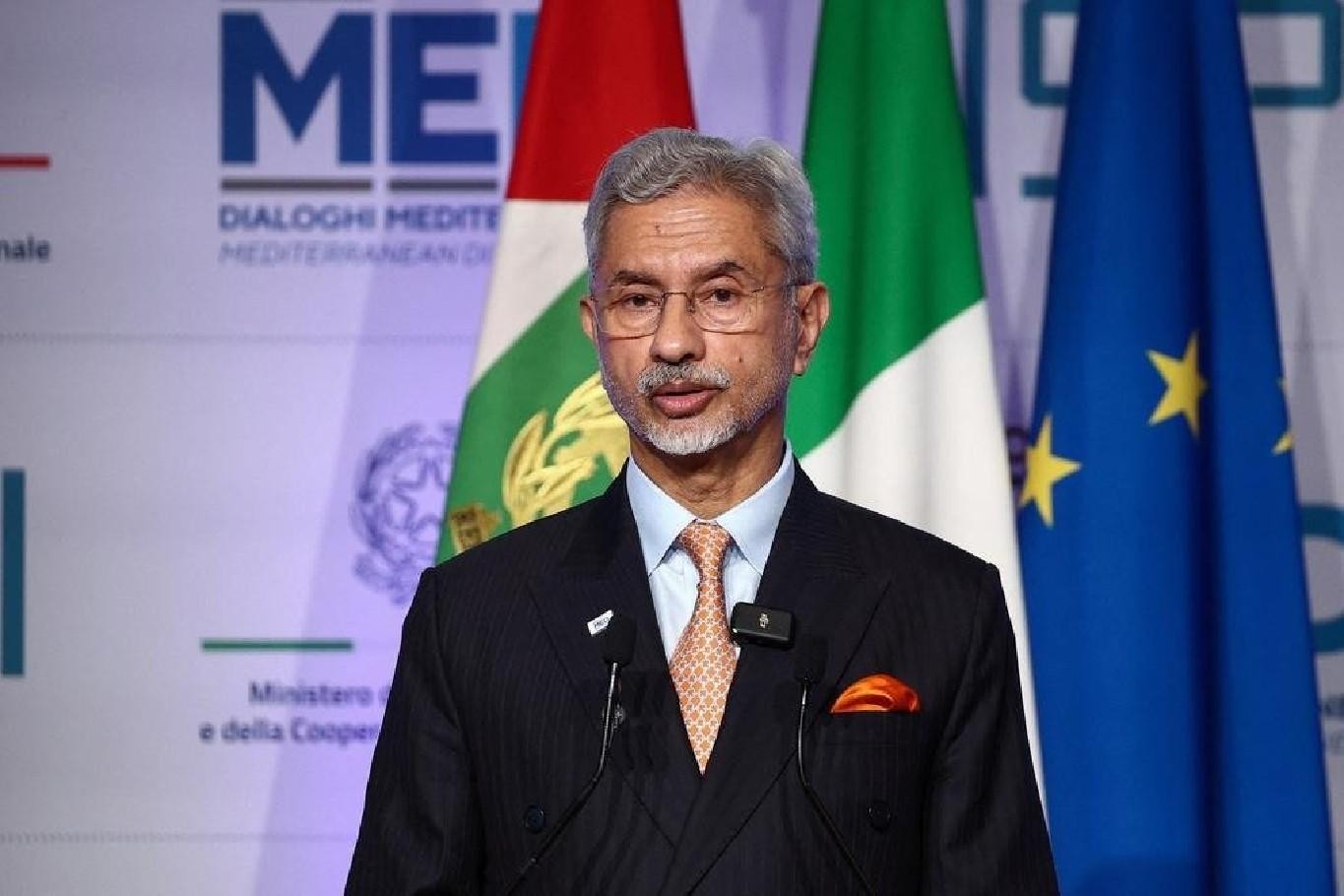
India’s External Affairs Minister, S. Jaishankar, addressed the ongoing debate surrounding US tariffs under President Donald Trump during the News18 Rising Bharat Summit. Responding to concerns about trade tensions, Jaishankar stated that India’s plan is straightforward: continue constructive dialogue with the US, with the goal of finalizing a bilateral trade agreement by fall this year.
He emphasized that it’s too early to measure the actual effects of the tariffs, saying, “I don’t think we can talk about the impact yet, because it’s not fully clear.” Instead of reacting hastily, India has focused on engaging with the Trump administration directly and openly.
“We’ve been transparent and positive with the US,” Jaishankar explained. “Both sides have been cooperative. What we’ve committed to is negotiating a trade agreement before fall, which remains our central objective.”
Interestingly, he noted that India may be the only country to have reached such an understanding with the US since President Trump began his second term. While other nations are devising their own ways to respond to the tariff regime, India’s approach is targeted and proactive.
Jaishankar stressed that India has long been keen on establishing a strong bilateral trade pact with the US, and the current tariff scenario has only accelerated the need for a more serious and structured conversation. “This isn’t a reactionary move—it’s something we’ve been pursuing since Trump’s first term,” he added.
He also highlighted the momentum gained following Prime Minister Modi’s visit to the US. “Our engagement with the Americans has intensified. In the last six weeks, we’ve had more discussions with the US than we’ve had with Europe in the past two years,” he remarked.
Meanwhile, President Trump commented on the global response to US-imposed tariffs during a speech at the National Republican Congressional Committee. Claiming that other countries are desperate to strike deals, Trump said, “They’re calling us constantly, begging for a deal—‘Please, sir, I’ll do anything.’”
He also positioned himself as a stronger negotiator than Congress, using China’s 104% tariffs as an example to highlight the need for firm trade policies and assertive deal-making.
Together, the comments from both sides reflect the evolving dynamics of India-US trade relations, shaped by strategy, urgency, and high-stakes diplomacy.