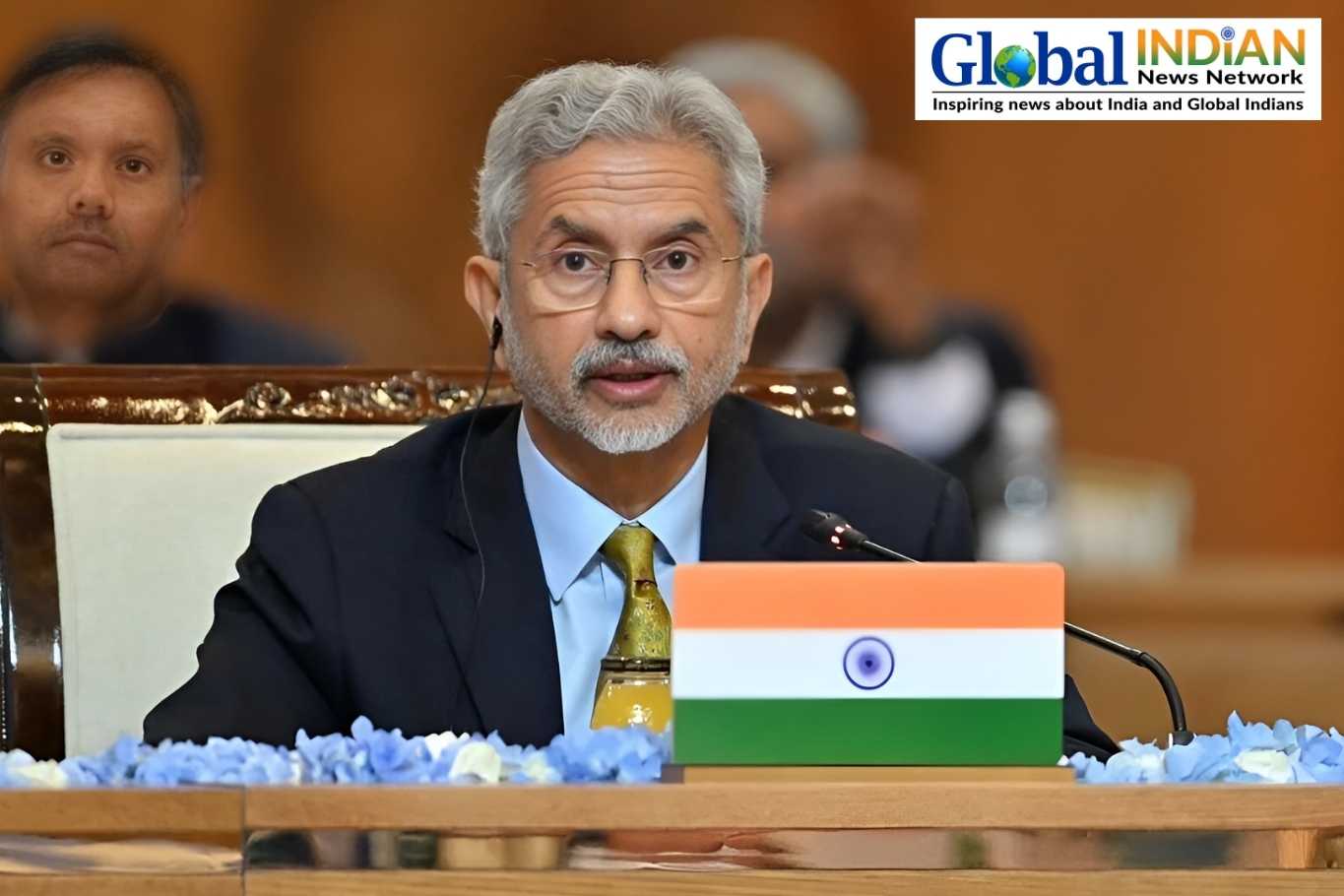
 External Affairs Minister Subrahmanyam Jaishankar departed on Monday for a three‑day trip to the United States, where he will take part in a Washington‑hosted ministerial focused on critical minerals supply chains.
The visit, spanning from February 2 to February 5, carries added diplomatic weight as it unfolds against a backdrop of frayed relations between India and the United States. Senior officials from the US administration, including Secretary of State Marco Rubio, are expected to meet with Jaishankar during his stay.
According to a statement from India’s Ministry of External Affairs, the ministerial forum will concentrate on reinforcing the resilience of critical minerals supply chains, advancing clean energy transitions, and expanding strategic cooperation in sectors vital to emerging technologies.
India and the US have endured a period of significant tension, largely driven by trade disputes. In the latter half of last year, the Trump administration imposed steep tariffs on Indian imports — including punitive levies tied to New Delhi’s continued purchase of Russian energy — contributing to a drop in bilateral trade momentum. These tariffs have reached as high as 50%, combining both standard and penalty‑oriented duties.
This diplomatic engagement follows multiple rounds of dialogue aimed at concluding a comprehensive bilateral trade deal, which had stalled amid disagreements over tariff structures and market access in sensitive sectors such as agriculture and dairy. Despite persistent challenges, Indian officials have signaled optimism about making progress in future discussions.
Jaishankar’s agenda in Washington also includes strategic discussions with senior US policymakers on strengthening economic ties, diversifying supply chains away from overreliance on single sources, and fostering cooperation on clean energy and technology. The meeting brings together international partners and highlights shared interests in securing stable supplies of critical minerals essential for next‑generation industries.
Observers suggest that beyond its immediate policy goals, the visit serves as an opportunity to stabilize and recalibrate a relationship that has shown resilience despite recent irritants, underscoring both countries’ broader strategic imperatives in a complex global landscape.