President Donald Trump’s renewed warnings of steep tariff hikes on India have done little to shake New Delhi’s strategic path. In fact, India has deepened its partnership with Russia, sending National Security Advisor Ajit Doval to Moscow for high-stakes talks centered on defense and energy. His visit, although scheduled earlier, has taken on added importance amid growing US-India tensions.
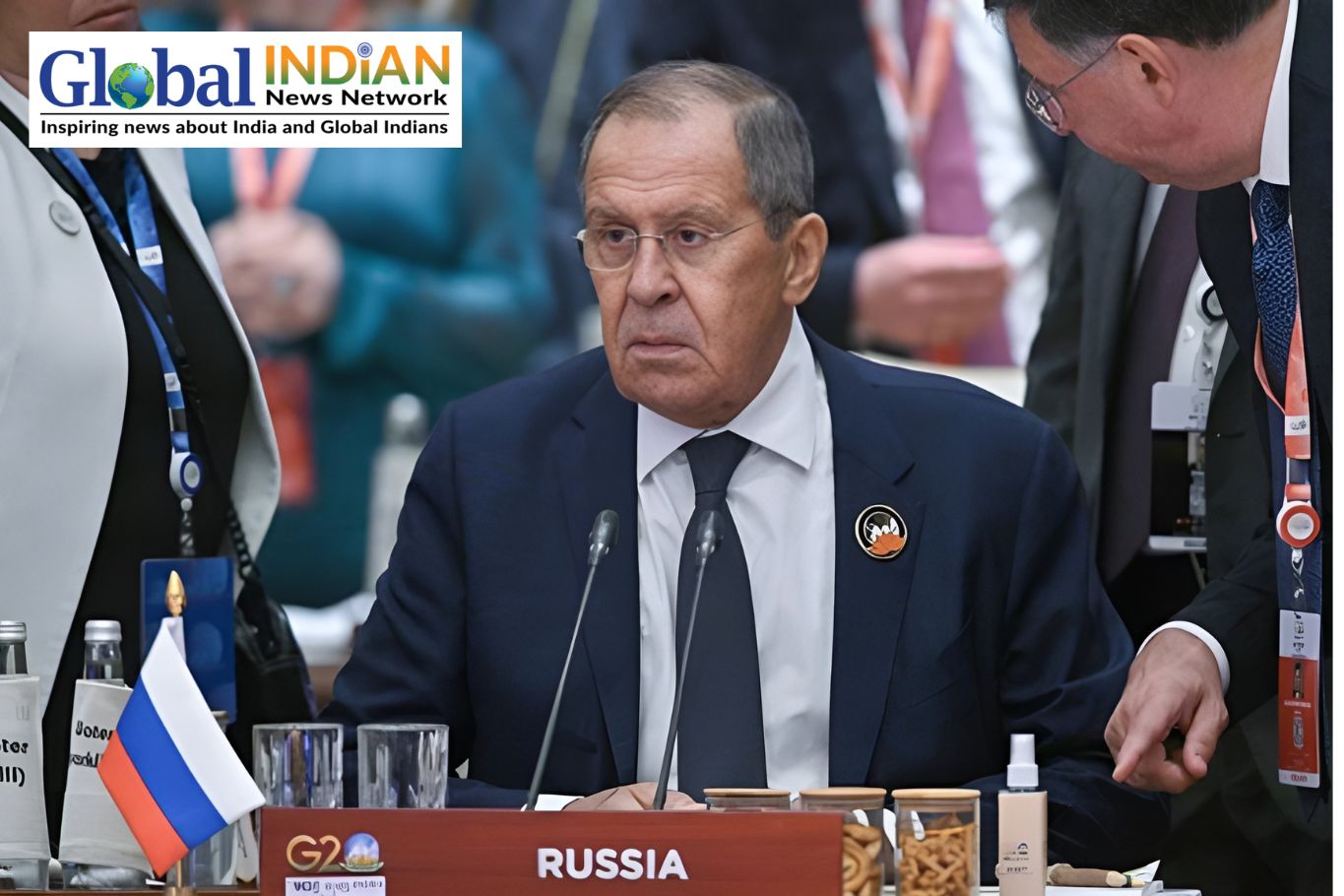
Doval is meeting senior Russian officials in a closed-door setting to discuss strategic alignment and military collaboration. As reported by Russian media outlet TASS, his discussions will also cover India’s ongoing oil imports from Russia. India is reportedly looking to acquire more S-400 missile systems, which played a key role during Operation Sindoor, as well as expressing interest in Russia’s Su-57 stealth fighter jets.
This growing engagement comes at a time when Trump is targeting countries continuing trade with Moscow. Ironically, the US itself maintains imports of uranium and fertilizers from Russia, a point India has highlighted to expose perceived double standards in Washington’s approach.
India, which began ramping up Russian oil purchases after Moscow offered steep discounts post-Ukraine invasion, has made it clear it won’t back down under pressure. A senior Indian official told The Times of India that cost-effective energy remains a priority. “We’ll continue choosing options that benefit our citizens. If Russian crude remains cheaper, we won’t punish our people,” the official said.
Currently, Russian oil makes up nearly 40% of India’s total crude imports, a staggering rise from just 0.2% prior to the Ukraine war. Notably, India’s refining of Russian oil also indirectly aids Europe, which relies on India’s diesel and aviation fuel exports.
India’s longstanding relationship with Russia, dating back to the pre-independence era, remains robust. From the Soviet mediation in the 1965 India-Pakistan conflict to Moscow’s support during the 1971 war, bilateral ties have consistently been strong. Strategic dialogues like annual summits and 2+2 meetings have reinforced cooperation in recent decades.
External Affairs Minister S. Jaishankar is also expected to visit Moscow by mid-August, further reinforcing bilateral coordination. These visits send a clear message — India will pursue its interests, even if that means navigating friction with Washington.
As the Trump administration toughens its stance, New Delhi is signaling its readiness to weather the storm while strengthening critical partnerships that serve its long-term strategic goals.