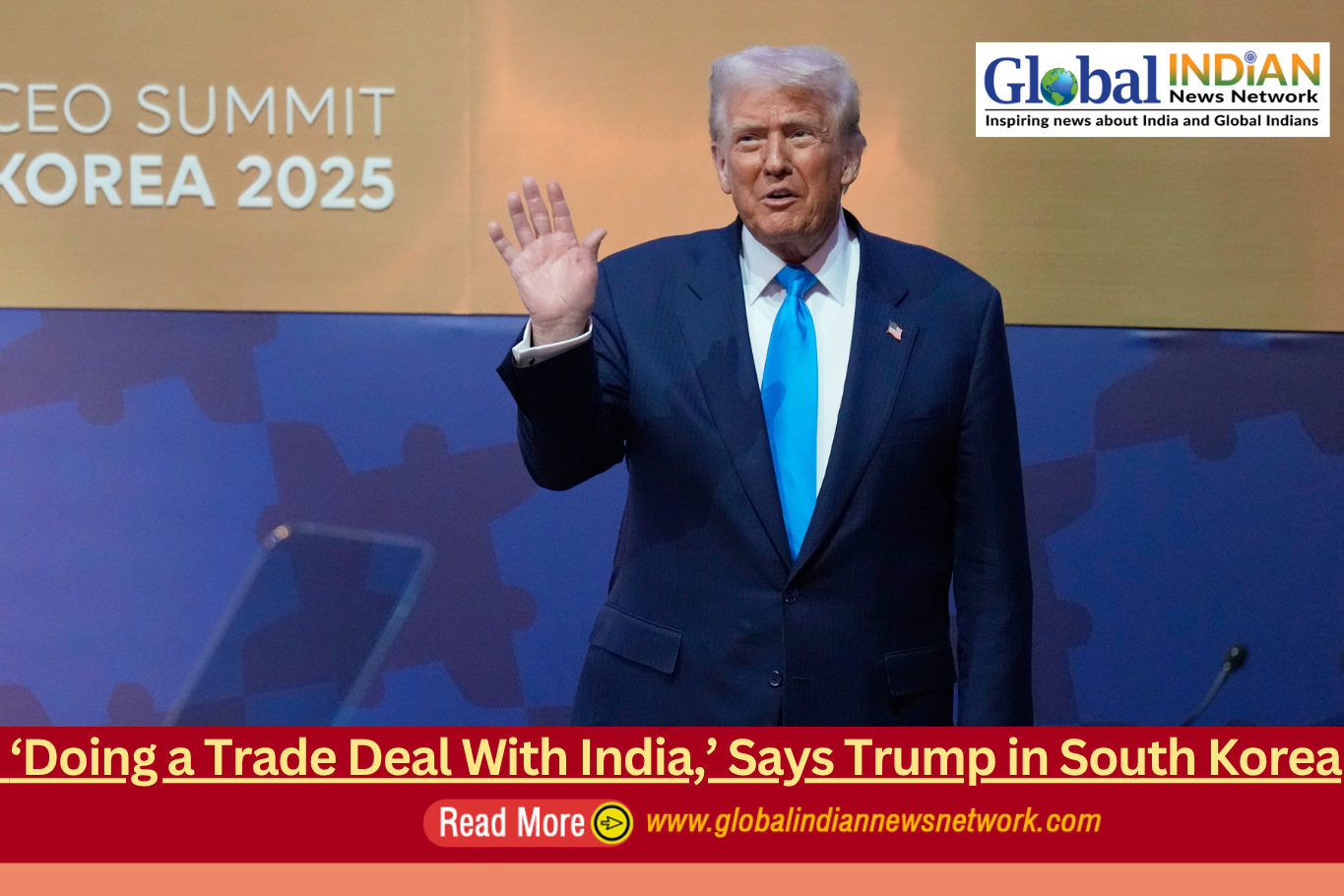
 During his visit to South Korea, Donald Trump announced that the United States and India are on the verge of finalizing a long-delayed trade agreement. Speaking on the last leg of his Asia tour, Trump suggested that the deal between two of the world’s largest economies is nearly complete after months of negotiation.
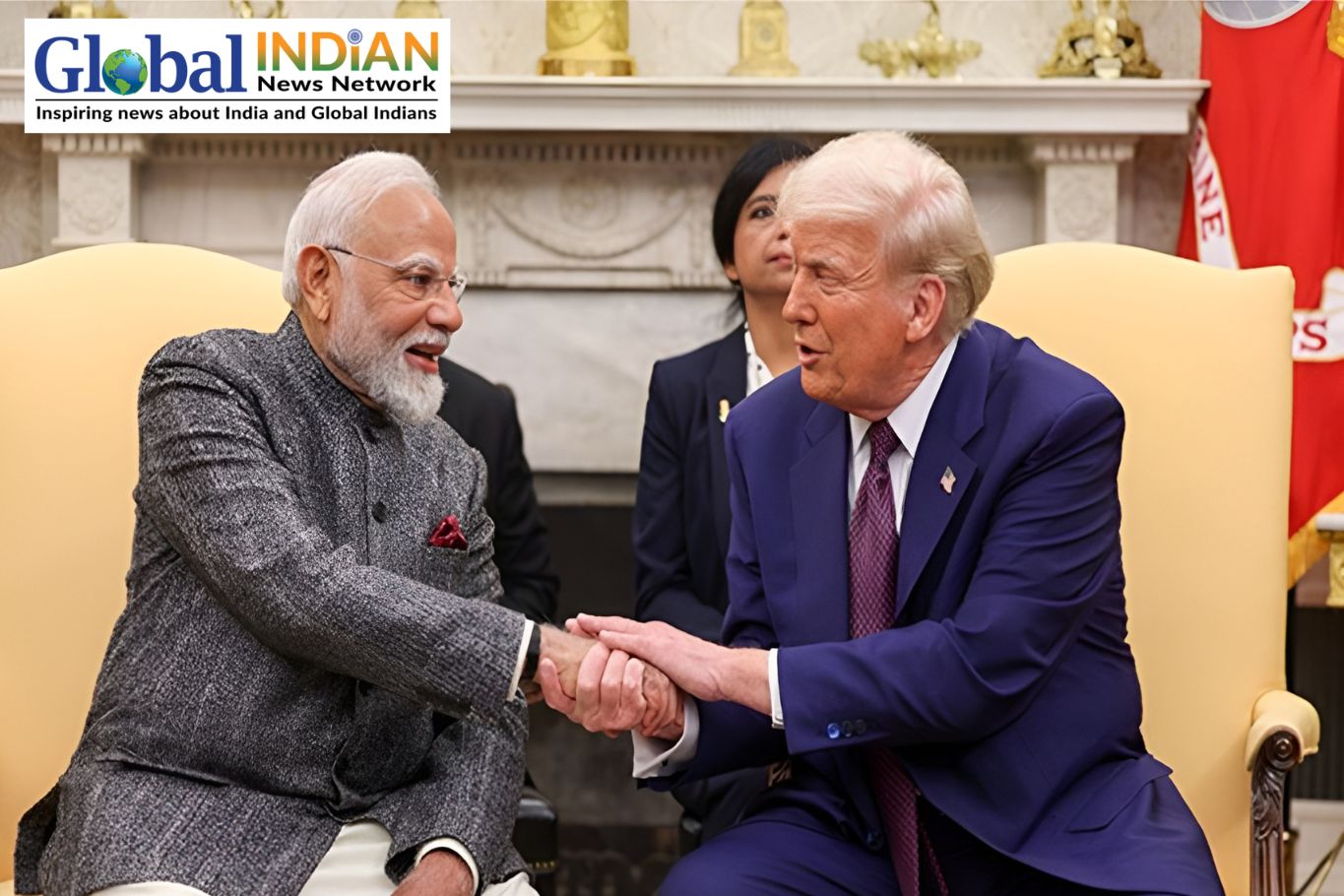
Talks had been slowed by differences over India’s purchase of discounted Russian oil, Washington’s tariffs on Indian goods, and India’s reluctance to open its agriculture and dairy sectors to US imports. However, Trump said he had “great respect and love” for Prime Minister Narendra Modi, emphasizing their strong relationship and mutual willingness to resolve trade tensions.
Recent reports indicate that both sides have made significant headway. Washington may cut its steep 50% reciprocal tariff to about 16%, following India’s decision to scale back oil imports from Russia. In return, India may allow limited imports of non-genetically modified American corn and soymeal—products that had been a major sticking point. The trade framework could include periodic reviews of tariffs and market access, ensuring both countries maintain fair terms.
The United States has been urging India to permit corn imports, arguing that ethanol derived from US corn would be used solely for fuel blending, not food production. Likewise, the push to sell American soybeans stems from the surplus created after the US-China tariff war, with Washington eager to supply India’s massive cattle feed market.
India, however, remains firm in protecting its small-scale farmers. External Affairs Minister S. Jaishankar recently reiterated that any agreement must respect India’s economic boundaries, particularly regarding the earlier 25% penalty imposed for Russian oil purchases.
Meanwhile, Trump once again claimed credit for mediating the May 10 India-Pakistan ceasefire—a statement New Delhi has consistently denied. Praising Modi as the “nicest-looking guy” but “tough as hell,” Trump recounted how his intervention allegedly prevented a nuclear conflict between the two neighbors. He asserted that his refusal to proceed with trade deals until peace talks resumed played a crucial role in halting hostilities.