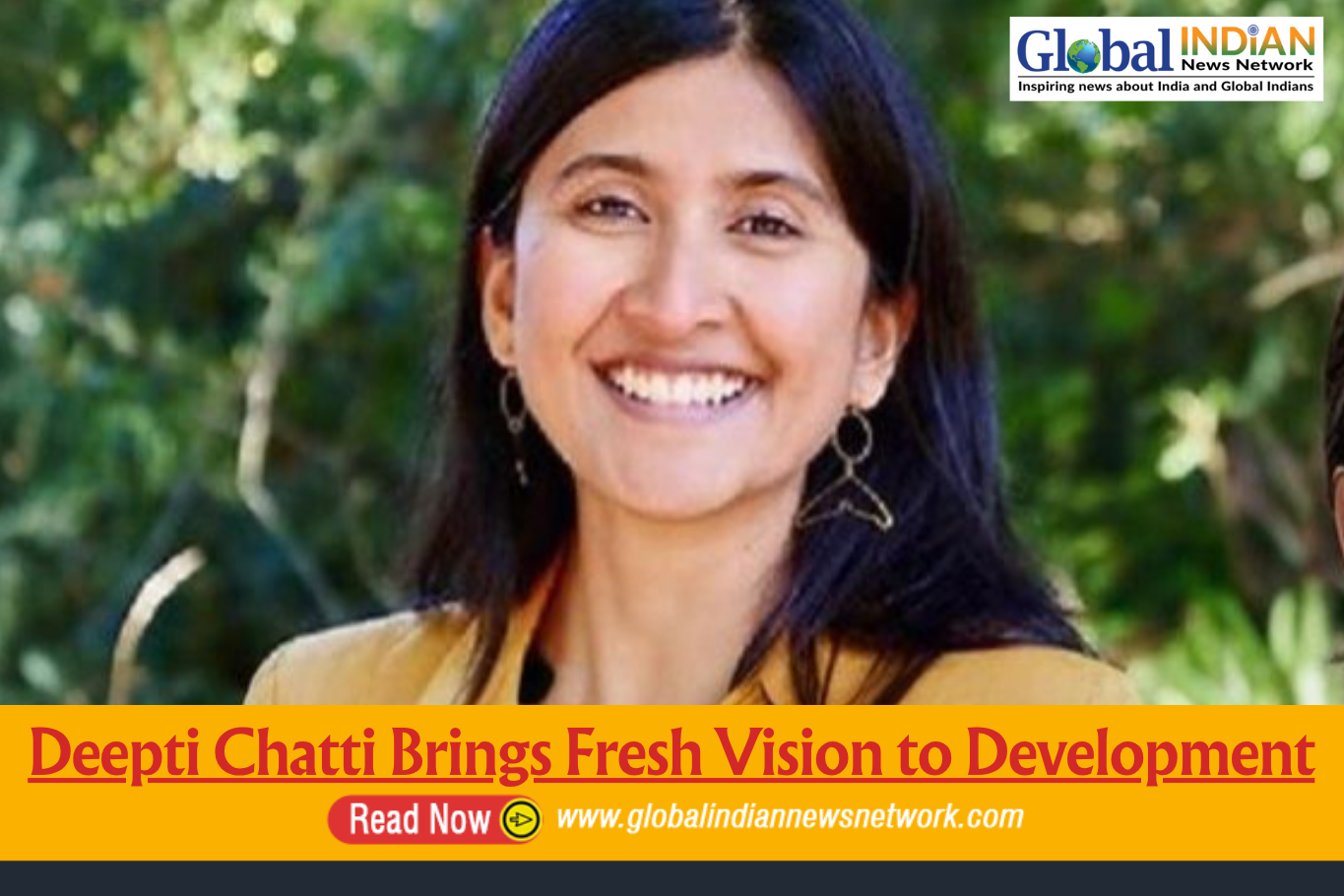
 Deepti Chatti, an Indian American engineer turned ethnographer, is reshaping how empowerment and development are understood through her extensive fieldwork in India. Now an assistant professor at the University of California San Diego, Chatti originally trained in environmental engineering and environmental science. Her early professional journey was grounded in addressing environmental challenges using technical tools, data models, and scientific analysis.
However, she soon realized that many environmental issues could not be explained by scientific metrics alone. Social dynamics were woven into every question she encountered. This insight pushed her to explore beyond the limits of her engineering training. Chatti has often reflected that while her technical background equipped her to solve environmental problems on paper, it did not prepare her to investigate the social forces influencing those problems.
Determined to bridge this gap, she pursued a doctorate in environmental studies along with a certificate in women’s, gender, and sexuality studies. This interdisciplinary training now shapes her approach to research, where she blends scientific perspectives with social inquiry to challenge widely accepted ideas in sustainability and development policy.
Chatti will present her ongoing work at the Global Development Discussion Series on November 13. Her talk draws from her forthcoming book, based on years of ethnographic research in India, where she closely studied how women interpret and experience empowerment within clean cooking initiatives.
Her research examines a government effort to increase access to cooking gas among low-income households. Policymakers often argue that gas stoves provide health improvements and make daily routines easier by reducing the demanding labor associated with traditional mud stoves. While prior studies have produced mixed evidence on health and time savings, Chatti chose a different angle—she explored how women themselves made sense of these changes.
Her work focuses on understanding their experiences: Did they feel empowered by adopting gas stoves? How did these choices intersect with social norms and gender expectations? By centering the voices of the women involved, Chatti encourages a shift in how development projects are evaluated—emphasizing lived experiences over top-down assumptions.
The event will be held online via Zoom and is open to anyone interested. Participants can register to receive the meeting link and join the conversation on rethinking empowerment within development practice.