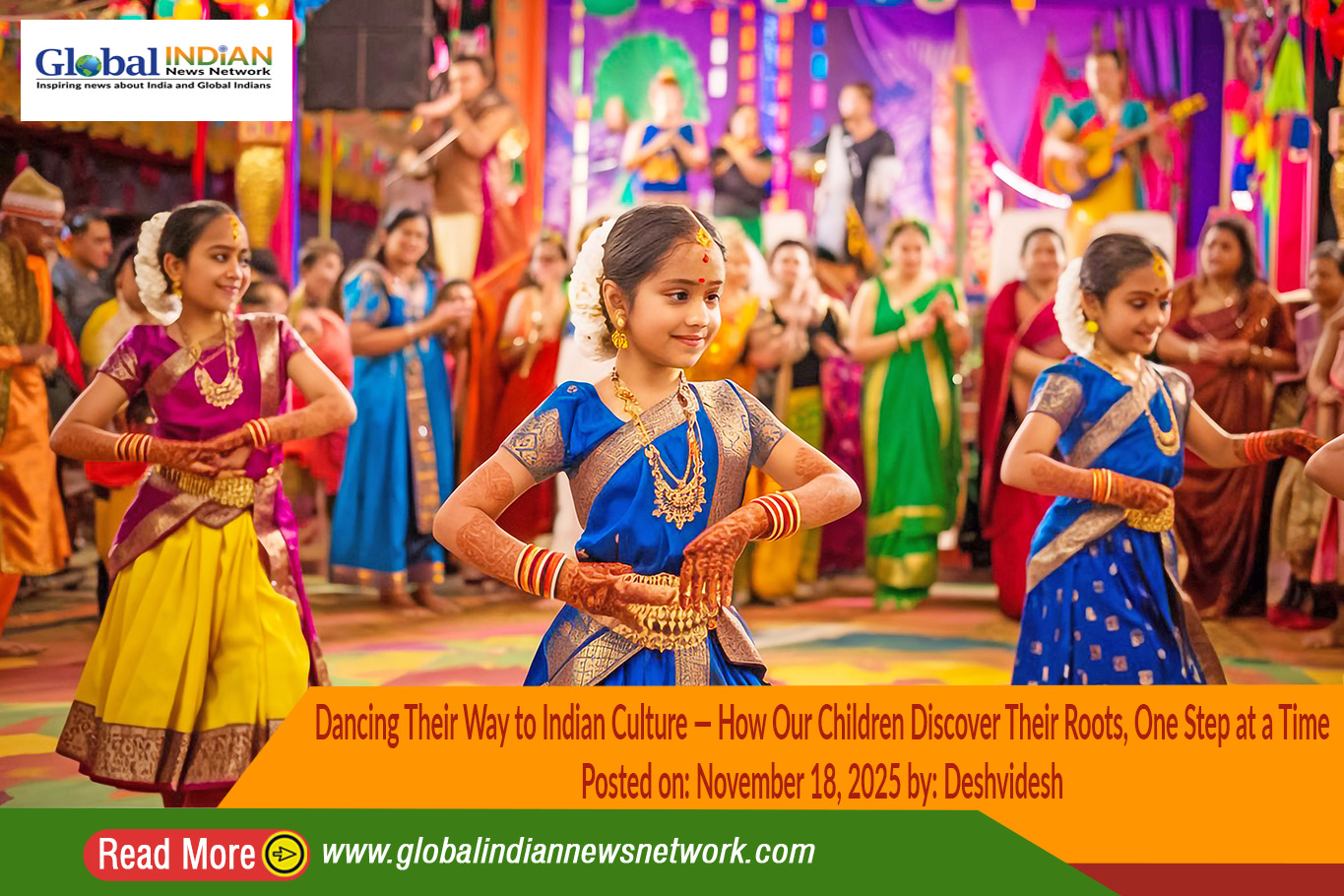
 Dancing Their Way to Indian Culture: How Our Children Discover Their Roots One Step at a TimeIn an increasingly global world, many Indian children are reconnecting with their cultural identity through the art of dance. From classical Bharatanatyam to energetic Bollywood moves and colorful regional folk styles, young dancers are finding a meaningful link to India’s heritage with every step.
A Rhythm That Feels Like Home
Children’s dance classes offer more than technique — they serve as a living expression of culture. As kids learn mudras, footwork, and storytelling through movement, they begin to understand the traditions, songs, and legends passed down through generations.
Why Dance Shapes Identity
For families living far from India, dance becomes a vibrant bridge to their roots. Through Kuchipudi, bhangra, and other forms, children experience India’s diversity firsthand. Parents often notice a spark of pride when kids learn the stories behind their steps.
Growth Through Art
Dance teaches discipline, respect, and creativity. Classical training fosters focus and perseverance, while choreography encourages self-expression. Many children blend tradition with their own individuality, making each performance uniquely theirs.
A Sense of Community
Performances at cultural events and festivals help young dancers feel connected — not just to their heritage, but to the wider Indian community. On stage, they don’t just perform; they represent the legacy they carry.
Guiding the Next Generation
Dedicated teachers bring tradition to life, blending classical expertise with child-friendly instruction. They teach not only movement, but also mythology and regional history, making dance a deeper cultural lesson.
Moving Toward the Future
With growing interest in cultural education, dance schools are flourishing. Some even offer digital classes and immersive cultural camps to broaden access.
Ultimately, dance helps children build confidence, embrace their roots, and form a lifelong bond with their heritage. Each rhythm and gesture becomes a step toward understanding where they come from.