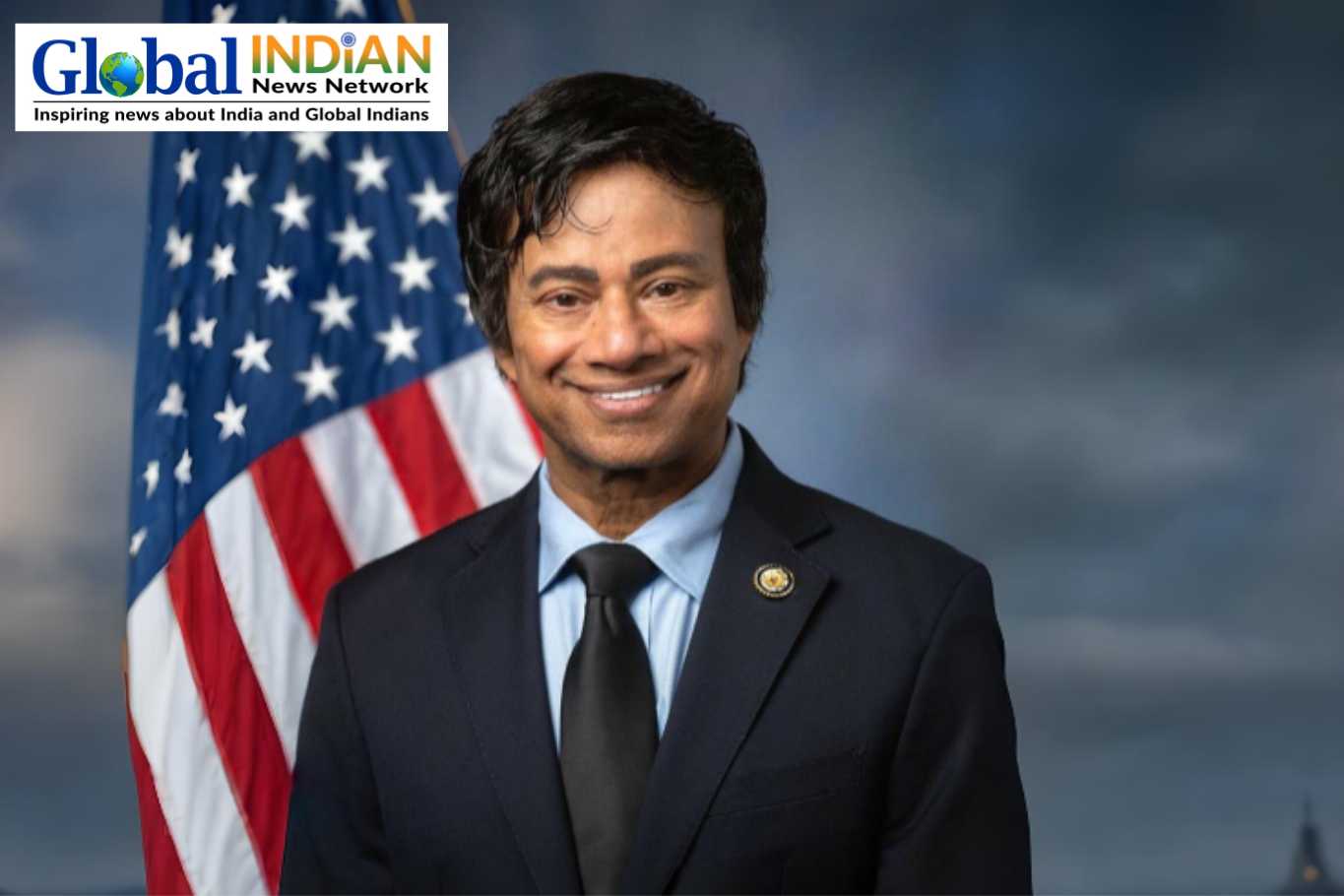
 On January 15, Democratic Congressman Shri Thanedar introduced the Abolish ICE Act in the U.S. Congress, advocating for the complete elimination of Immigration and Customs Enforcement (ICE). Thanedar, who is of Indian origin, criticized ICE for prioritizing aggressive enforcement over due process since its inception in 2003.
“Since its creation, ICE has emphasized enforcement and intimidation rather than protecting citizens’ rights,” Thanedar remarked, highlighting what he described as ongoing terrorization of Americans. The lawmaker explained that this bill builds on his previous initiatives to hold ICE officers accountable, including last year’s legislation aimed at ending qualified immunity for ICE personnel.
Thanedar referenced the tragic killing of Renee Nicole Good, noting that such incidents illustrate that ICE is beyond reform. “The death of Renee Nicole Good underscores the urgent need to fundamentally rethink immigration enforcement. It’s time to abolish ICE,” he asserted. The proposed legislation suggests that the agency’s immigration responsibilities could be more effectively managed by other federal departments. If signed into law, ICE funding would be immediately halted, and the agency would be dismantled within 90 days.
Despite the bill’s strong language, experts widely view it as largely symbolic. With Congress currently under Republican control, passage is unlikely. Even if the measure cleared the House by a slim margin, overriding a potential presidential veto would be improbable.
Thanedar also faced racist commentary and online attacks following the bill’s announcement. Responding to critics, he emphasized the agency’s lack of accountability: “ICE is beyond reform at this stage. It operates unchecked and continues to endanger both U.S. citizens and immigrants.” He stressed the need for removing ICE from the streets entirely, asserting that the nation does not require what he called a paramilitary presence targeting civilians.
The introduction of the Abolish ICE Act reignites the national debate over immigration enforcement, balancing concerns of public safety with the protection of civil liberties. Thanedar’s proposal aims to shift the focus toward agencies that prioritize legal compliance, transparency, and human rights while questioning the ongoing role of ICE in U.S. immigration policy.