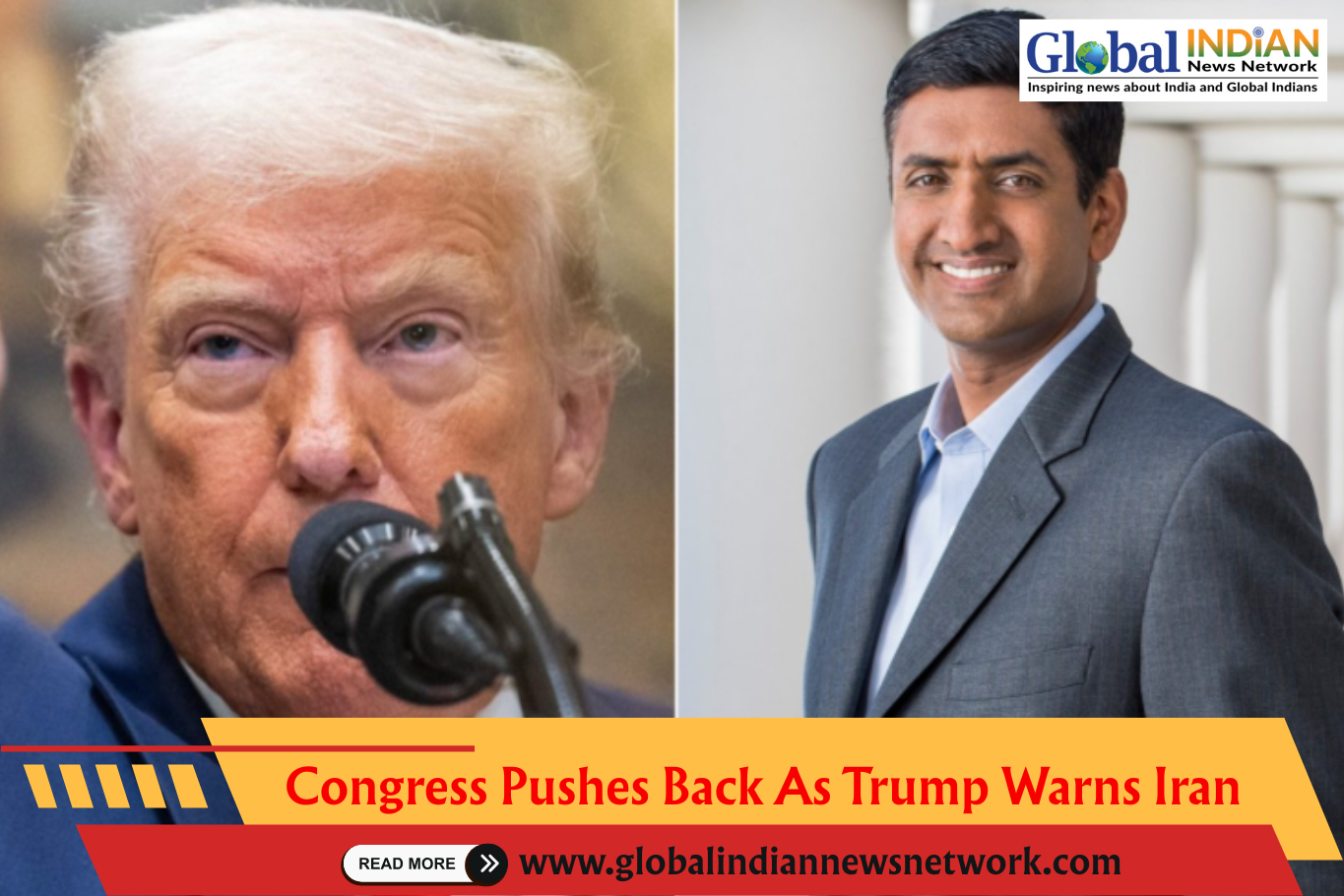
 Former US President Donald Trump reignited tensions with Iran through a stark message posted on Truth Social, stating that Iran should have signed the nuclear agreement he had earlier proposed. “What a shame, and waste of human life,” he wrote, adding emphatically, “Simply stated, IRAN CAN NOT HAVE A NUCLEAR WEAPON.” Trump also called for the “immediate evacuation” of Tehran, triggering international concern and speculation about impending military action.
As the post stirred alarm, a senior official clarified that the statement was not a direct signal of an imminent US strike on Iran but rather a strategic push for Iran to return to negotiations. Trump, who recently reentered the presidency, left the G7 summit in Canada a day earlier than scheduled, citing the urgency of the unfolding Middle East crisis. “President Trump will return to Washington tonight so he can attend to many important matters,” announced White House Press Secretary Karoline Leavitt. However, a White House source told CNN that the President was attempting to underscore the gravity of the situation without implying immediate offensive action.
In response to rising fears of unilateral military involvement, bipartisan efforts are underway in Congress to reassert legislative control over potential military moves. Democratic Representative Ro Khanna from California, alongside Republican Representative Thomas Massie from Kentucky, has introduced a War Powers Resolution. This proposal aims to prevent President Trump from deploying US forces into the Iran-Israel conflict without explicit Congressional authorization. “This is not our war,” Massie posted on X, reinforcing that such decisions must follow constitutional channels.
Khanna, a long-time critic of unauthorized foreign interventions, is co-leading the initiative, with his office confirming coordination with Massie. Meanwhile, Senator Tim Kaine, a Democrat from Virginia, has introduced a corresponding resolution in the Senate. Kaine emphasized the need for debate and voting in Congress before placing American troops in harm’s way.
Despite the heightened rhetoric, the Pentagon has assured that the US military posture remains defensive. A spokesperson confirmed that American forces continue to focus on protection and deterrence, with no offensive shifts reported.
With tensions escalating and political divisions deepening, Washington appears to be at a critical crossroads in managing the Iran situation—balancing diplomacy, deterrence, and constitutional responsibility.