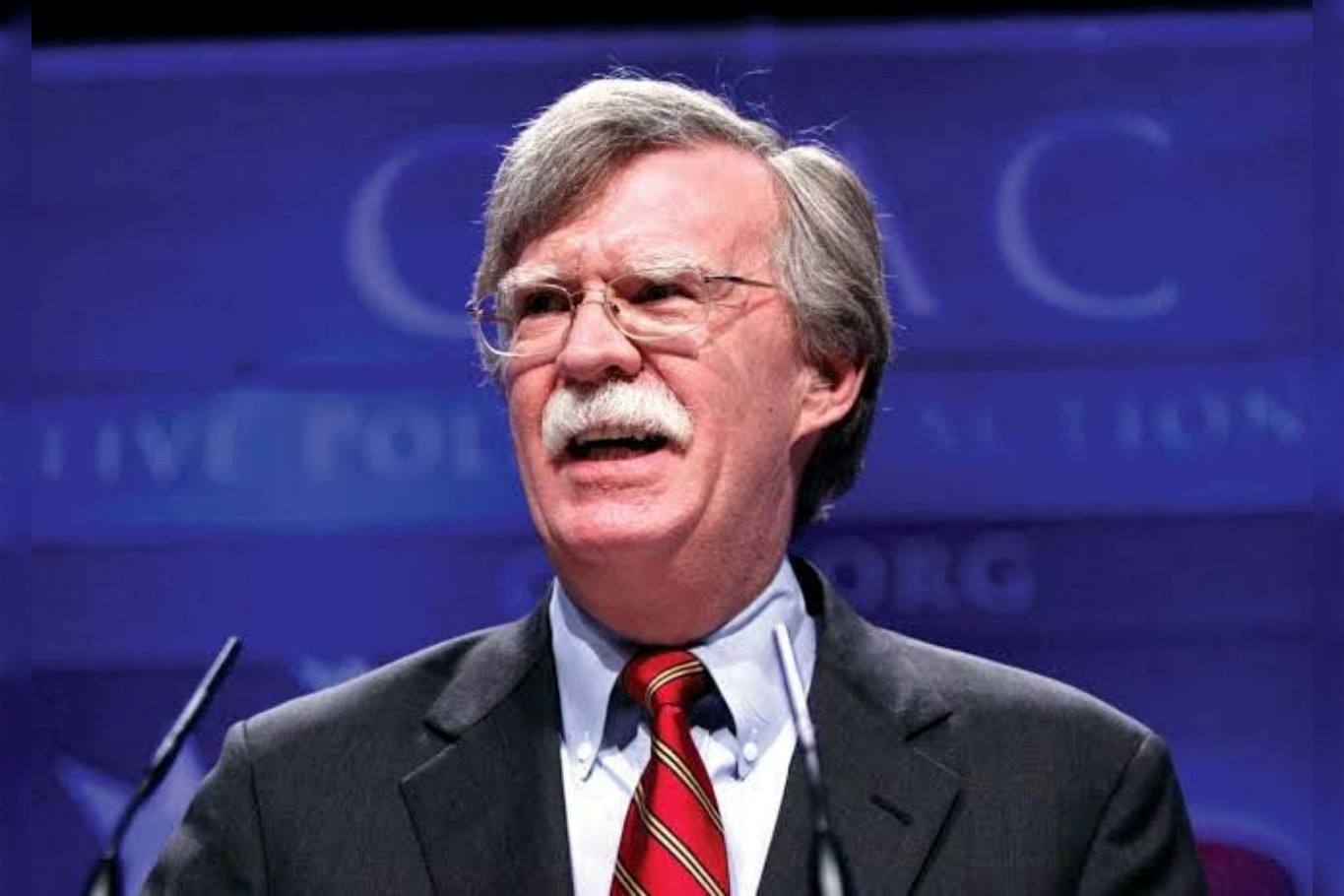
Former US National Security Advisor John Bolton commended India’s strategic decision to send bipartisan parliamentary delegations overseas, viewing it as a means to reinforce its anti-terrorism narrative on the global stage. These delegations, launched under Operation Sindoor, are part of New Delhi’s broader campaign to inform the global community about the sustained threat of terrorism India faces, particularly from across its borders.
Speaking from Washington, Bolton said it was essential for the world to understand the realities of terrorism in India. He noted, “India has endured extensive terror attacks. At the United Nations, it’s often challenging to focus global attention on these issues due to varying perspectives on what defines terrorism. India can play a crucial role in highlighting the threat and rallying global support.”
The first of seven parliamentary delegations, led by JD(U) MP Sanjay Kumar Jha, has already begun a tour of five East and Southeast Asian nations, including Japan, South Korea, Indonesia, Malaysia, and Singapore. Representing a cross-section of political parties—BJP, Congress, TMC, and CPI(M)—these delegations aim to reflect a unified national stance against terrorism.
A second group led by Shiv Sena MP Shrikant Shinde departed for a tour of the UAE, Liberia, the Democratic Republic of Congo, and Sierra Leone. The delegation features notable Members of Parliament, including Bansuri Swaraj and Atul Garg from the BJP, Sasmit Patra from the BJD, along with several others.
The Ministry of External Affairs reaffirmed that these outreach efforts are designed to reinforce India’s unwavering commitment to combat terrorism globally, regardless of its origin or justification.
Bolton regarded India’s effort to label The Resistance Front (TRF), a Lashkar-e-Taiba affiliate, at the United Nations as a significant step. He acknowledged the value of UN recognition of terrorist groups and commended India’s unwavering commitment to presenting evidence and defending its right to respond when provoked.
Earlier, Foreign Secretary Vikram Misri criticised Pakistan’s interference in the UNSC’s April 25 press statement, which reportedly omitted references to the TRF’s involvement in the Pahalgam terror attack. Misri pointed out that India had previously submitted detailed intelligence to the UN, showing how TRF functions as a façade for Pakistani terror operatives.
India’s all-party delegations, according to officials, aim to convey one unified message: the country’s resolve to confront terrorism through diplomatic channels, multilateral cooperation, and international awareness.