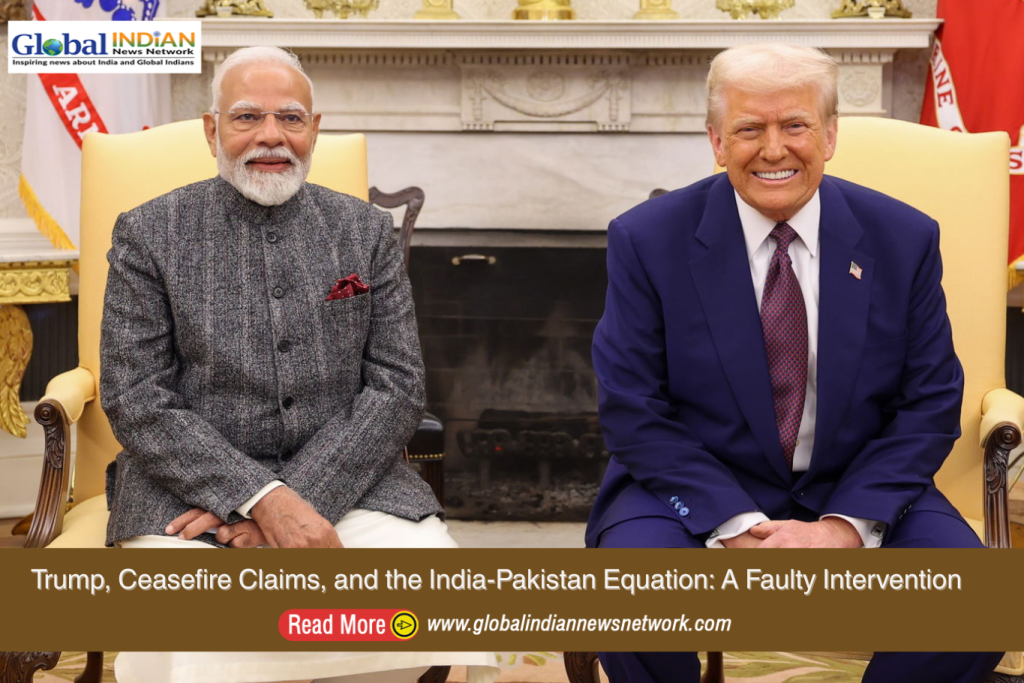
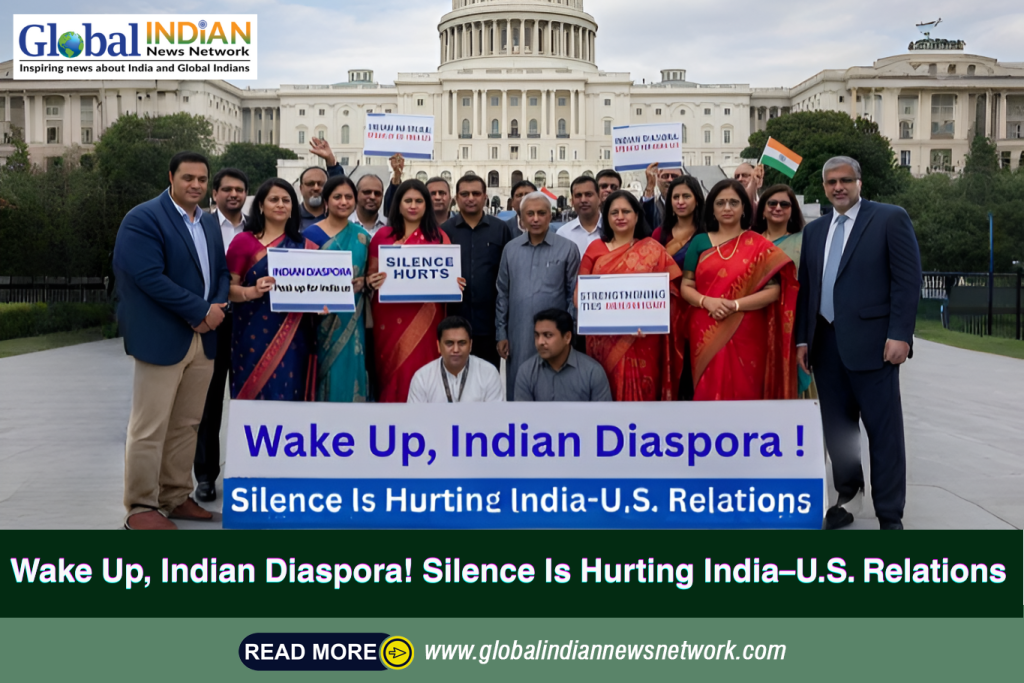
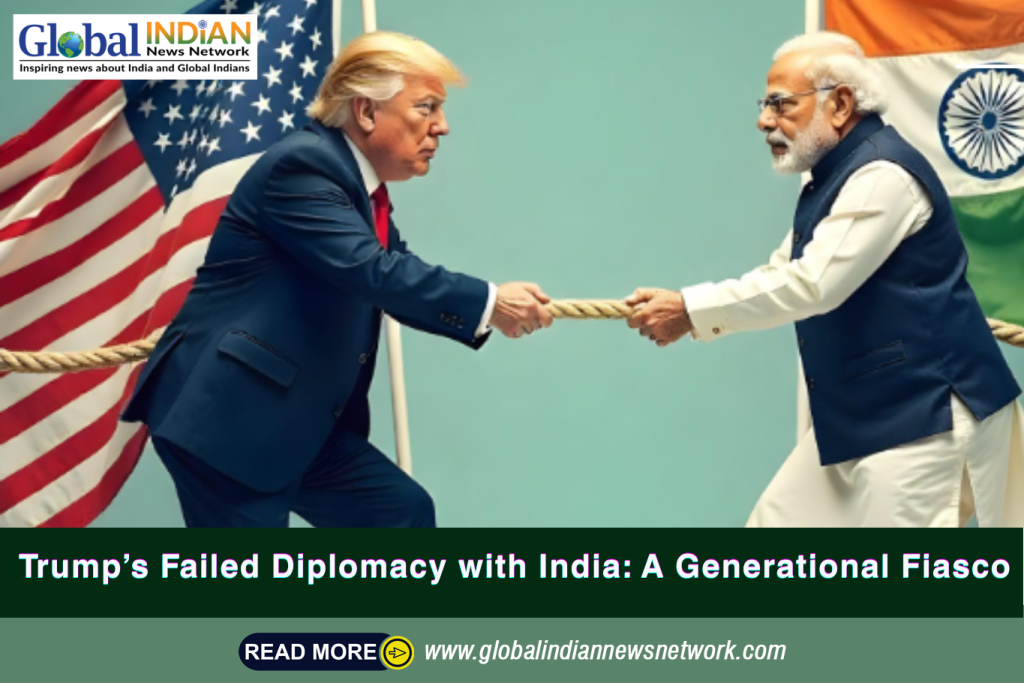
Recently, several developments have challenged the strength of the U.S.–India relationship—from the shocking 50% tariff on Indian goods and the $100,000 H-1B visa fee hike to the unsettling sight of a U.S. president inviting Pakistan’s top military leader to Washington while disregarding India’s strategic sensitivities. Add to this the growing incidents of vandalism at Hindu temples and gurdwaras, and the silence from the Indian-American community becomes even more concerning. During a recent interaction with a visiting U.S. Congressional delegation, MP Shashi Tharoor made a revealing remark: one U.S. congresswoman admitted she had not received a single phone call from an…
Author: Raj Shah
A Promise Squandered When Trump returned to office, many in New Delhi were cautiously optimistic. Prime Minister Narendra Modi publicly congratulated his “friend,” signaling continuity. India’s foreign minister declared that, unlike other countries, India was “not nervous” about Trump’s return. The U.S.–India relationship seemed poised to deepen, especially amid concerns about China’s aggression in the Indo-Pacific. But optimism soon dissolved into disillusion. Trump’s approach was transactional, short-sighted, and ultimately destructive. He viewed diplomacy as a zero-sum game, where America’s gain must come at a partner’s expense. Instead of building trust, he demanded loyalty. Instead of understanding India’s sensitivities, he wielded…
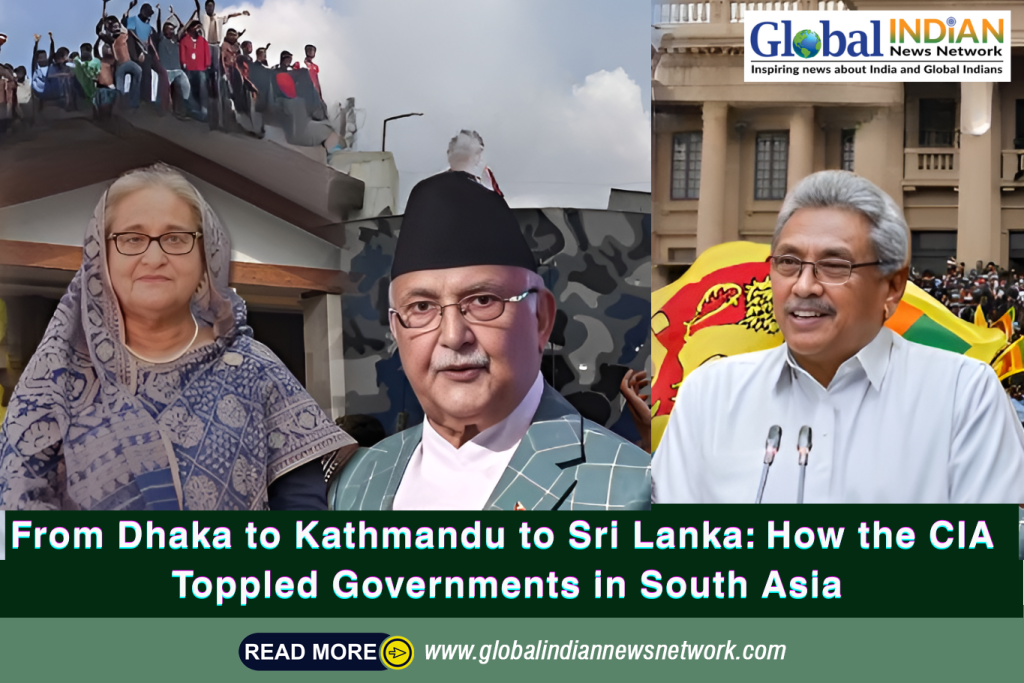
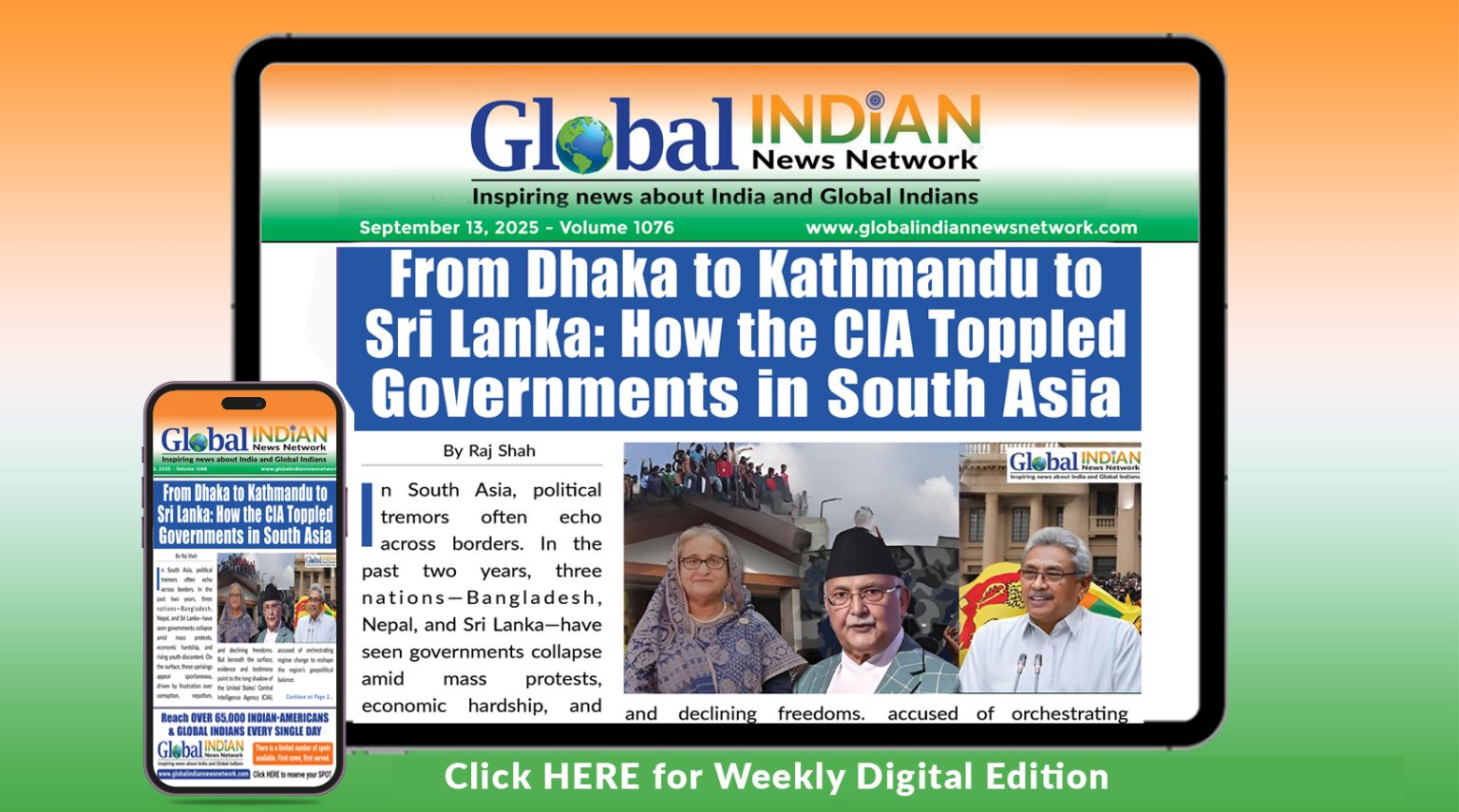
In South Asia, political tremors often ripple across borders. Over the past two years, three countries—Bangladesh, Nepal, and Sri Lanka—have witnessed governments collapse amid mass protests, economic strain, and rising youth discontent. While these uprisings appeared spontaneous, growing evidence and testimonies suggest the involvement of the United States’ Central Intelligence Agency (CIA), accused of orchestrating regime change to reshape the region’s geopolitical balance. In Bangladesh, long-serving Prime Minister Sheikh Hasina was forced to resign and flee to India in August 2024 after months of youth-led demonstrations against a controversial reservation system. More than 1,500 people were killed, but state repression…
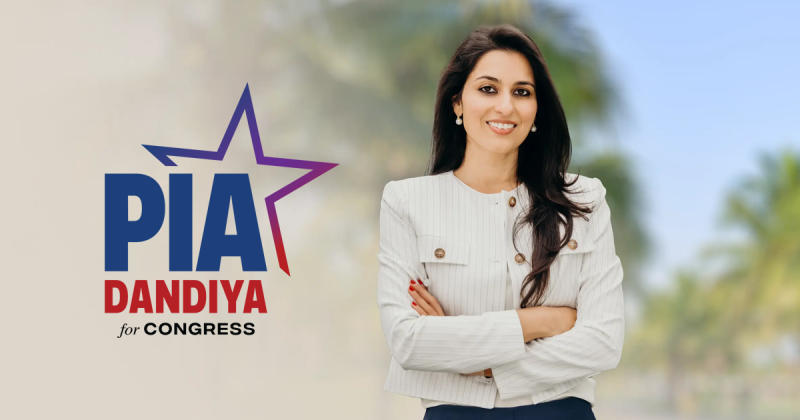
By Raj Shah Pia Dandiya, a proud resident of District 21, daughter of Indian immigrants, a former high school principal and White House fellow who led public sector initiatives at Apple is a new Democratic challenger to the Republican U.S. Representative Brian Mast Pia Dandiya is a first-generation Indian- American who has dedicated her career to strengthening communities as a high school principal, policy leader and technology innovator. A Democrat who wants to write a new future, Pia is determined to make the American dream more accessible to her fellow Floridians. Pia Dandiya has officially entered the race for Florida’s…
By Raj Shah This is in response to Parthiv Parekh’s Khabar: Editorial: “Now I am become Death, the destroyer of worlds” in the June 2025 edition of Khabar Magazine. First of all, the title and subtitle of the article—“Now I am become Death, the destroyer of worlds: Reflections on the recent India-Pakistan military skirmishes and concerns of escalation towards nuclear war”—are deliberately misleading and alarmist. Borrowing from Oppenheimer’s tortured invocation of the Gita, the title frames a limited and conventional military response as though the world stands on the brink of nuclear annihilation. It is a textbook case of sensationalism—designed…
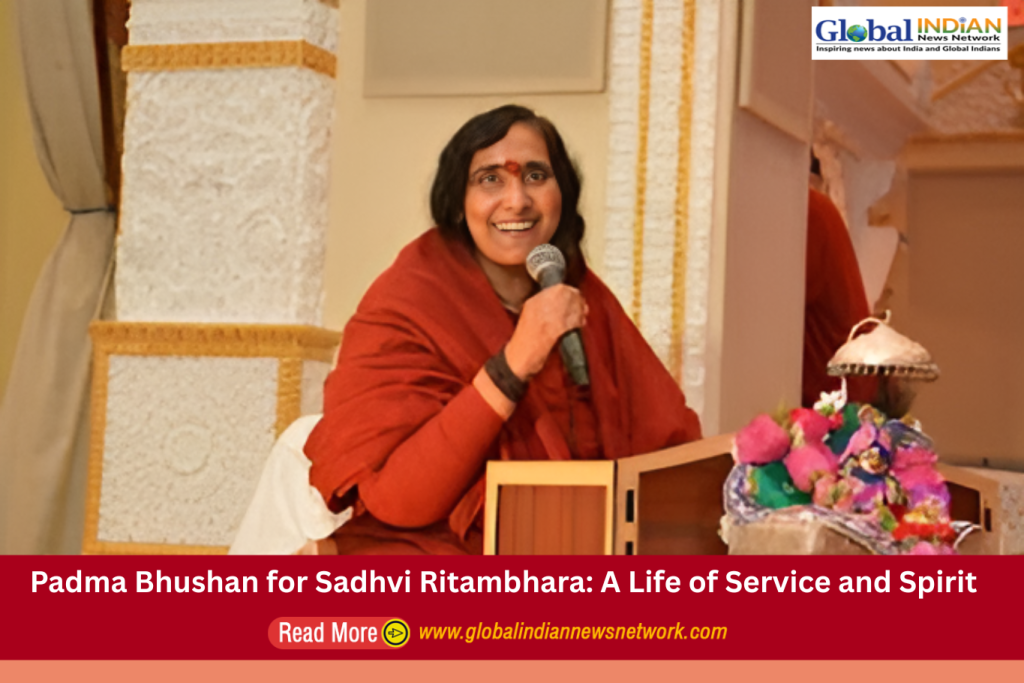
Sadhvi Ritambhara, affectionately known as Didi Ma, is more than a spiritual leader—she is a transformative force in modern Hinduism. Honored with the Padma Bhushan in 2025 for her exceptional contribution to social service and national life, her journey reflects a seamless blend of spiritual depth, cultural pride, social empowerment, and fearless activism. As a key voice in the Hindu civilizational resurgence and a compassionate reformer, Sadhvi Ritambhara continues to inspire millions across the world. Spiritual Foundations and Early Life Born as Nisha in 1964 in Mandi Doraha, a small village in Punjab’s Ludhiana district, Sadhvi Ritambhara’s spiritual calling began…
Vivek Mishra, the Deputy Director of the Strategic Studies Programme, Observer Research Foundation wrote an article titled’ Operation Sindoor: Trump’s Fault Lines. In his Insightful article Dr. Vivek Mishra exposes the deeper diplomatic and geopolitical rifts revealed by U.S. President Donald Trump’s opportunistic involvement in the India-Pakistan crisis of May 2025. Mishra, a recognized expert in Indo-U.S. strategic relations, highlights how Trump’s sudden claim of brokering peace during “Operation Sindoor”—India’s assertive military response to the Pahalgam terror attack—signals a regressive shift in U.S. foreign policy, potentially undermining two decades of strategic trust between India and the United States. Mishra critiques…
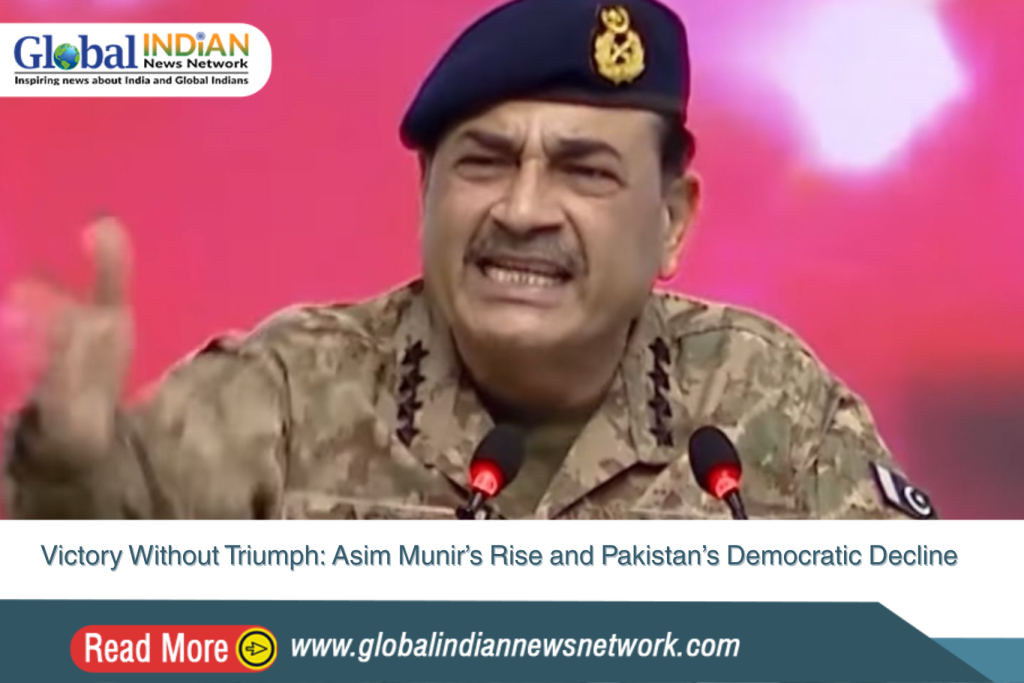
Sarral Sharma, Doctoral Candidate at Jawaharlal Nehru University, New Delhi; former NSCS official and South Asian Voices Fellow at The Stimson Center published an article titled” “Munir’s Controversial Rise and Pakistan’s Drift to a ‘Hard State’” In his incisive article, Sarral Sharma critically examines the rapid ascent of Pakistan Army Chief General Syed Asim Munir, his promotion to Field Marshal following a conflict-laden defeat, and the alarming transformation of Pakistan into a militarized “hard state.” Sharma argues that Munir’s rise is emblematic of a deeper institutional crisis—one where military prestige is restored not through genuine victory, but by manipulating narratives…
Following the May 2025 India-Pakistan confrontation, India has initiated an across-the-board diplomatic effort aiming at fulfilling several strategic objectives across the world. Beating Pakistan’s Narrative India wishes to show Pakistan’s alleged support for cross-border terrorism, particularly after the April 22 Pahalgam attack in which 26 civilians were killed. India is taking seven all-party delegations to 32 countries and the European Union with the view to presenting evidence and tales which determine Pakistan’s involvement in promoting terrorism. Showing National Unity The inclusion of members representing all political parties in such delegations emphasizes a national, united position against terrorism, as against individual…