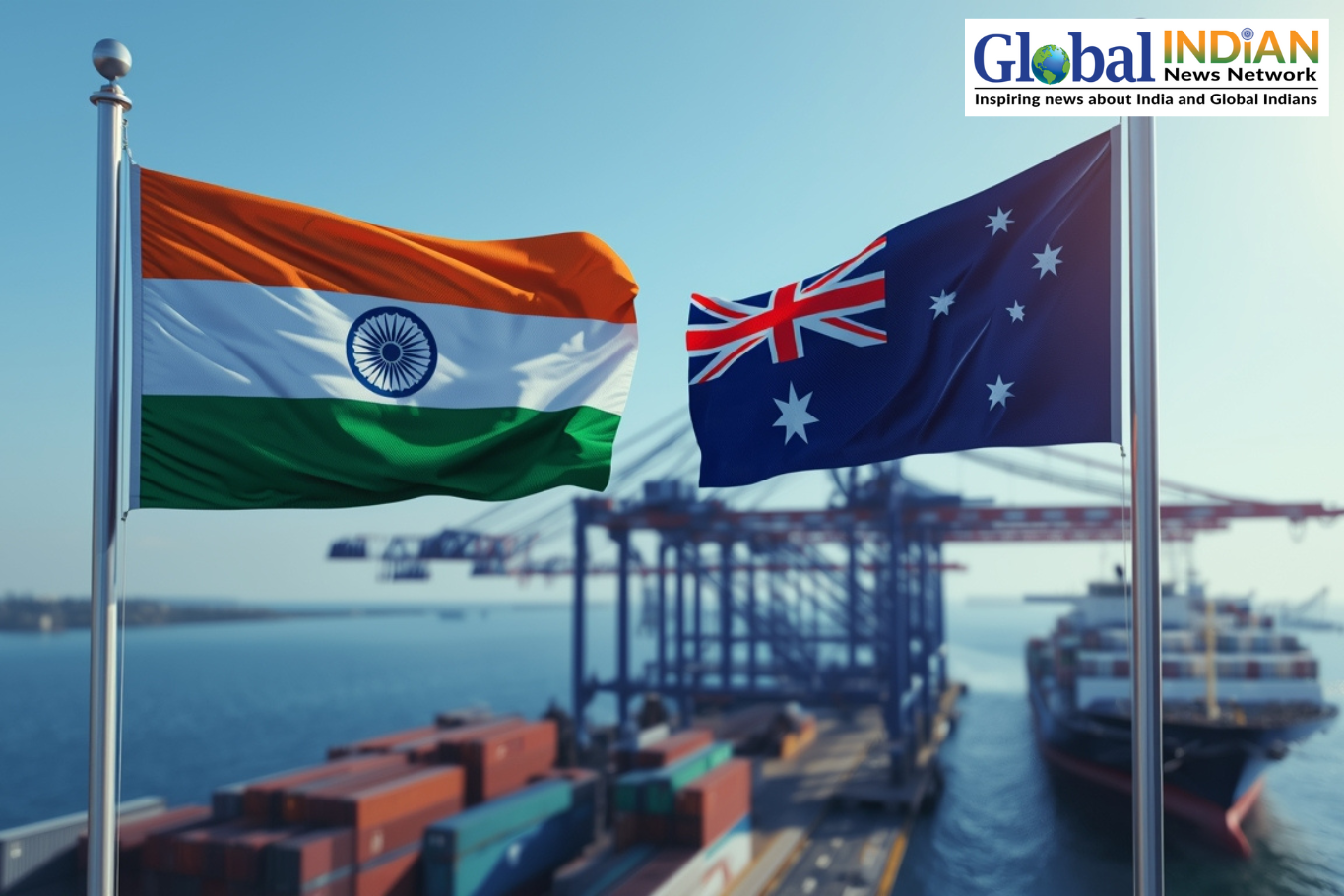
 Starting January 1, 2026, India will enjoy full tariff elimination on all exports to Australia, marking a significant milestone under the India-Australia Economic Cooperation and Trade Agreement (Ind-Aus ECTA). This move is set to deepen bilateral trade relations and create fresh avenues for Indian exporters, especially in labour-intensive industries.
The announcement coincides with the third anniversary of the Ind-Aus ECTA. Union Commerce and Industry Minister Piyush Goyal highlighted that the agreement has successfully turned intent into tangible results, providing consistent export growth, expanded market access, and reinforced supply-chain resilience for Indian businesses, including MSMEs, farmers, and workers.
India’s exports to Australia recorded an 8% growth in FY 2024-25, supporting the country’s trade balance. Strong gains were observed across sectors such as manufacturing, chemicals, textiles, plastics, pharmaceuticals, petroleum products, and gems and jewellery. Agricultural exports also expanded, with notable increases in fruits, vegetables, spices, marine products, and a significant surge in coffee exports. Gems and jewellery exports alone rose 16% between April and November 2025.
The year also saw the signing of a Mutual Recognition Arrangement on Organic Products, reducing compliance costs and facilitating smoother trade for organic exporters. As discussions for a broader Comprehensive Economic Cooperation Agreement (CECA) advance, the ECTA continues to anchor India’s engagement with Australia and the wider Indo-Pacific region, aligning with initiatives like Make in India and Viksit Bharat 2047.
Zero customs duty will improve the price competitiveness of Indian exports in Australia, potentially boosting volumes and profit margins. Labour-intensive sectors, including textiles, leather, gems and jewellery, engineering goods, and processed foods, are expected to gain the most, while MSMEs will benefit from lower landed costs.
For Australia, tariff-free access ensures reliable sourcing from a trusted partner, while India gains entry into a developed market with strong purchasing power and predictable trade regulations. Overall, this development is poised to expand bilateral trade, attract long-term investments, and reinforce the strategic economic partnership between the two nations.