 Indian American civic leader Ashok Baddi has formally declared his intention to run for the Michigan House of Representatives, positioning himself as a candidate who prioritizes pragmatic governance, community engagement, and inclusive decision-making in a rapidly diversifying suburban district north of Detroit. His campaign centers on practical solutions that reflect the needs of everyday residents rather than partisan politics.
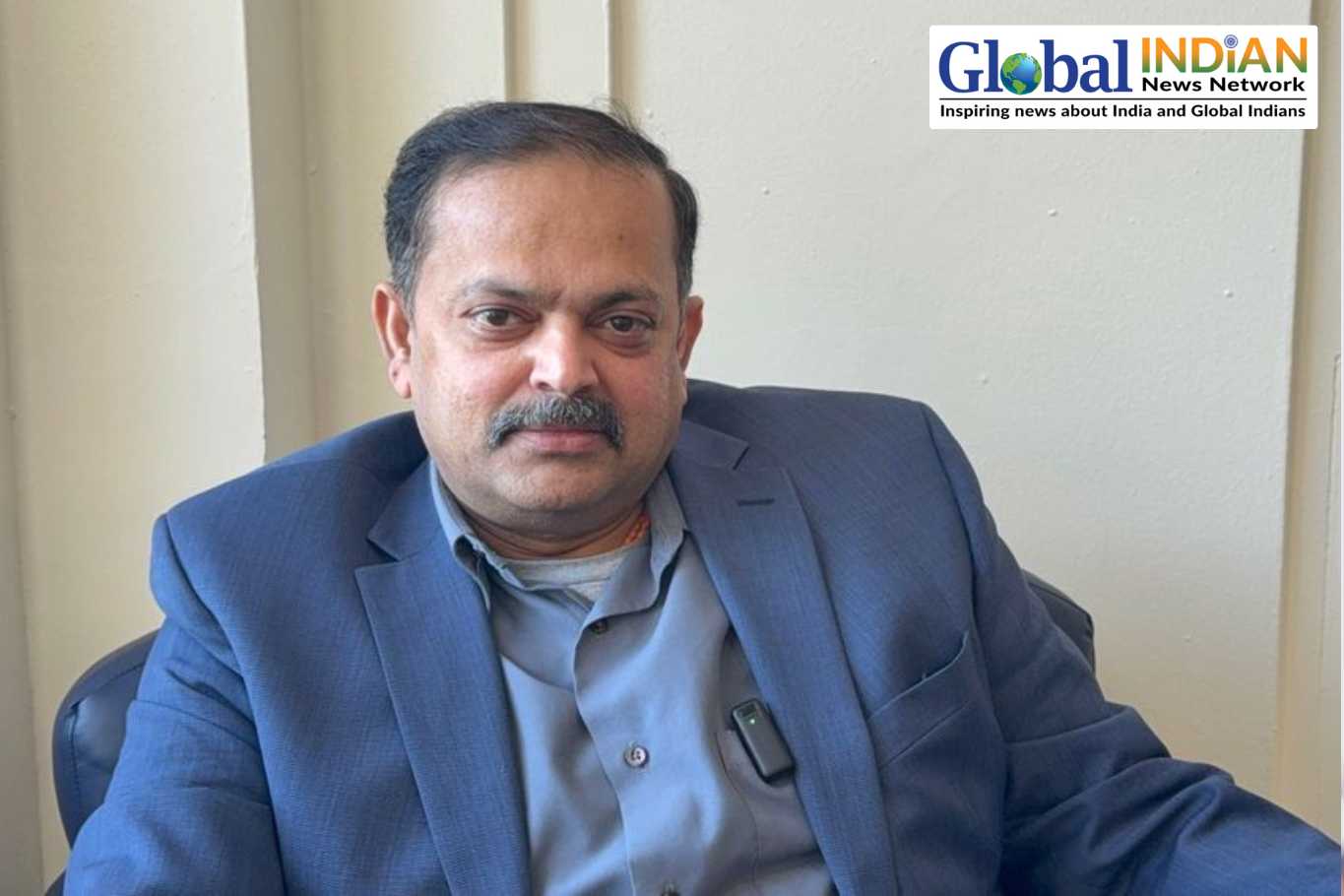
Speaking in an interview, Baddi confirmed his candidacy for Michigan’s 56th District, emphasizing that his long-standing connection to the area motivated his decision. Having lived in Troy for many years, he said his deep involvement in local initiatives and community service shaped his desire to seek elected office. He framed his campaign as an extension of his ongoing commitment to public service.
Baddi highlighted the district’s changing demographics, noting that nearly 25 per cent of residents are of Indian origin, with approximately 0.012 million registered voters in total. He argued that this sizeable presence gives the community meaningful political influence and could play a decisive role in the election outcome.
Explaining his motivation, Baddi said that meaningful change can only be achieved through active political participation. He stressed that immigrants who settle in the United States are fully American and should engage in shaping public policy at all levels of government.
He said his decision to run crystallized toward the end of last year after years of involvement in political and civic affairs. Previously aligned with the Democratic Party, Baddi had supported various campaigns ranging from local councils to school boards and had helped organize fundraising efforts for state leaders.
However, he said his personal values now align more closely with Republican principles, particularly on issues related to gender and education. While affirming that all individuals deserve dignity and freedom, he expressed firm views on traditional gender distinctions and their implications for school policies and sports.
Education remains a cornerstone of his platform. Baddi criticized proposals to dismantle honors programs in Troy, arguing that students have different learning abilities and should be given opportunities that match their potential. He said removing advanced academic tracks would undermine excellence rather than promote equity.
Born in Hyderabad, Baddi moved to the United States with his wife, a medical specialist, and spent years living in less urban parts of the country before settling in Michigan. He said those experiences shaped his understanding of rural and suburban America and its challenges.
On immigration, Baddi voiced strong support for legal pathways, describing lawful entry as essential to maintaining the integrity of the system. He characterized the United States as uniquely welcoming while stressing the importance of following established procedures.
Baddi is challenging the incumbent Democratic representative, whom he had previously supported. He said he now believes she has fallen short in addressing critical local issues such as infrastructure and education policy.
Acknowledging the realities of modern campaigning, Baddi remarked that financial resources are crucial in American politics and urged greater political donations from the Indian American community, which he said traditionally contributes far less per person than other groups.
Indian Americans have been steadily expanding their political presence across the United States, and Michigan has emerged as a significant hub for this growing influence. With education policy, demographic shifts, and community representation at the forefront, the race for Michigan’s 56th District is expected to be closely watched in the coming months.