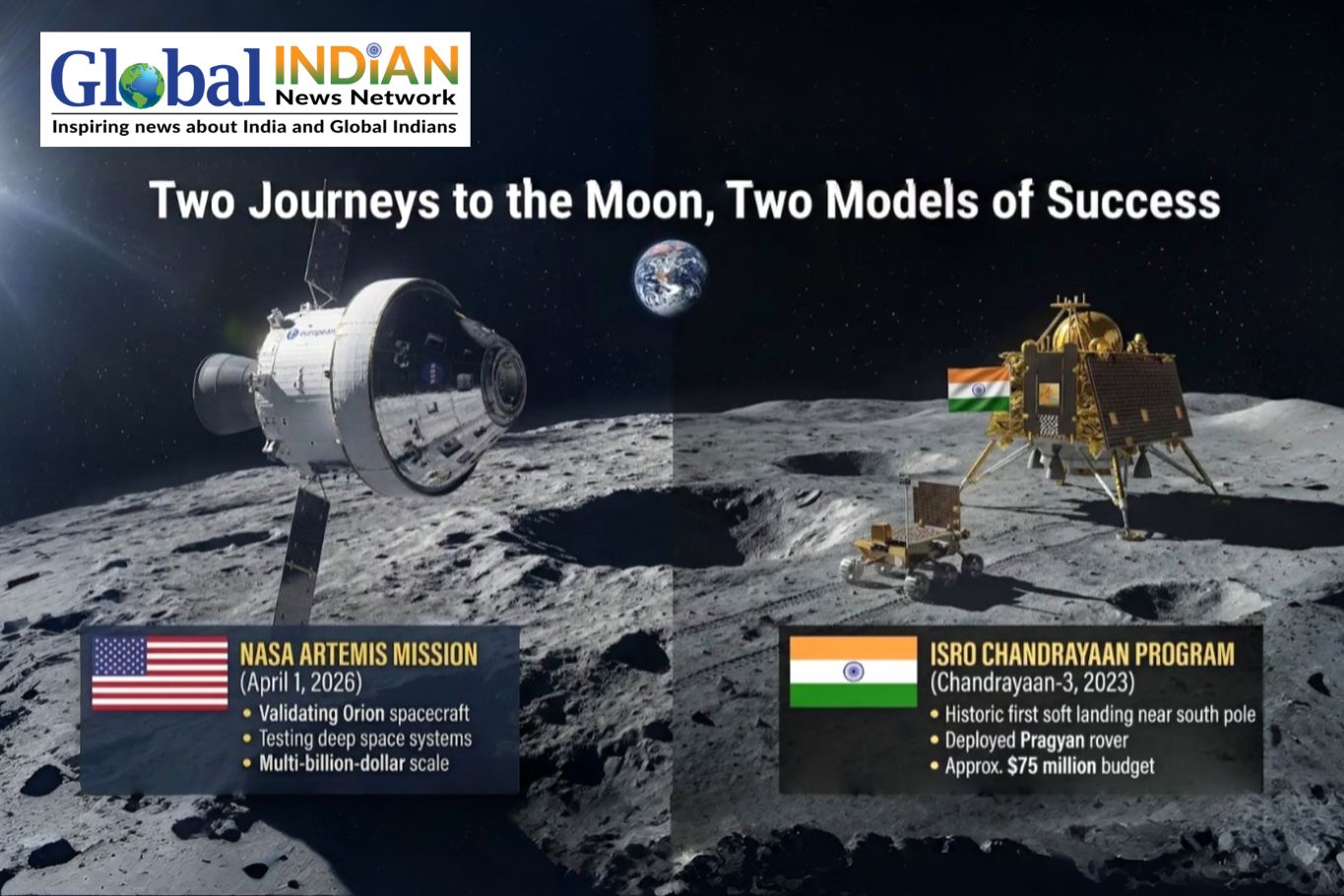
 As global interest in lunar exploration intensifies, the United States and India are advancing toward the Moon with distinctly different strategies. On April 1, 2026, NASA launched its latest Artemis mission, marking another step in its long-term plan for human space exploration. Meanwhile, India’s ISRO has already secured a historic achievement through its Chandrayaan program, highlighting a striking contrast between large-scale investment and efficient execution.
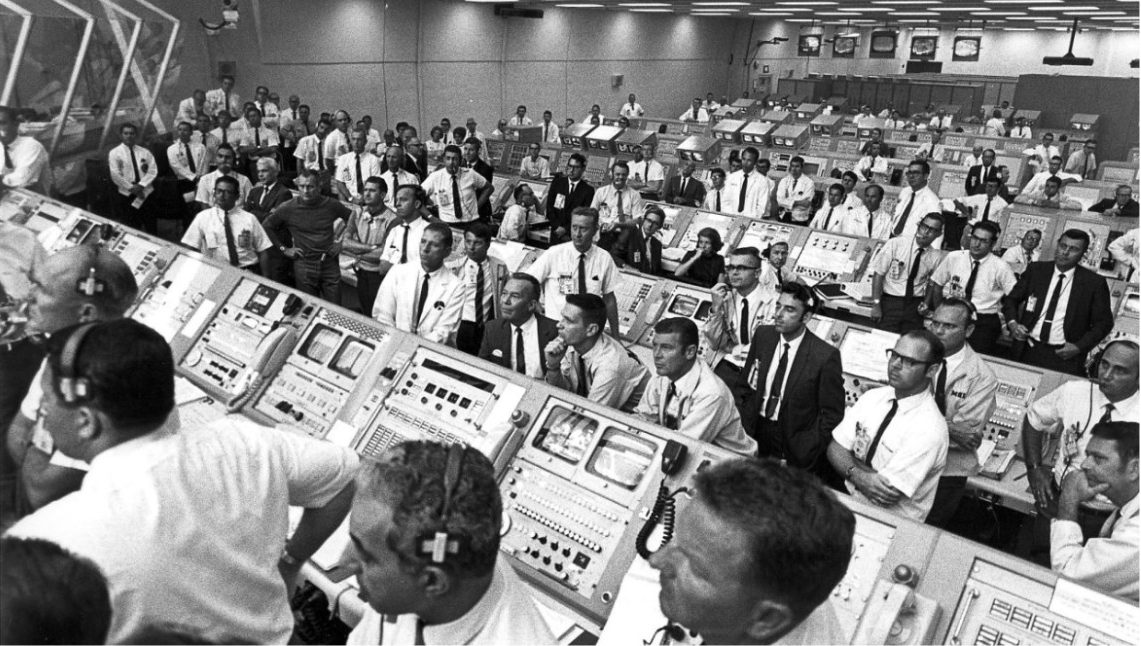
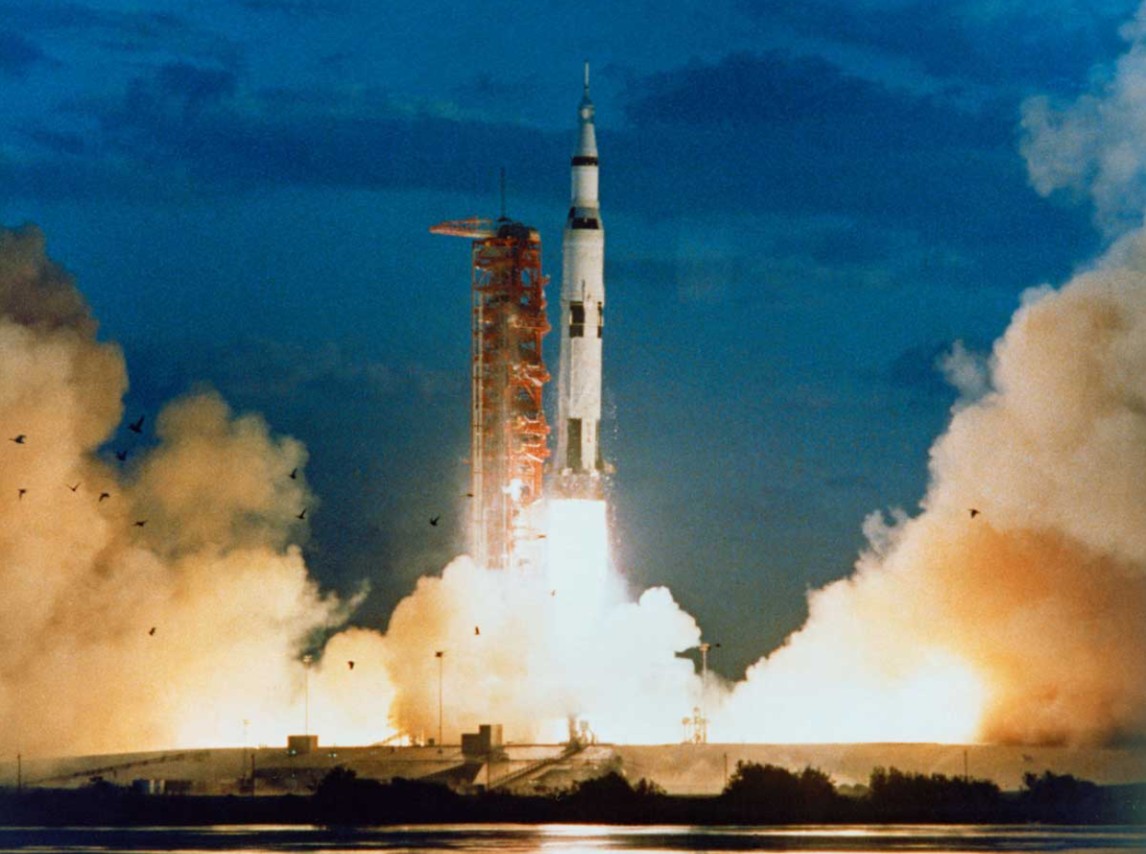
The Artemis mission is a 10-day journey designed to orbit the Moon and return safely to Earth while testing essential systems. Its primary objectives include validating the Orion spacecraft, assessing navigation and communication systems, and preparing for future crewed missions. Inspired by the legacy of the Apollo 11 landing, NASA’s broader vision extends beyond lunar visits to establishing a sustainable human presence on the Moon and eventually enabling missions to Mars.
However, this ambition comes with significant financial demands. The Artemis program operates on multi-billion-dollar budgets, with individual missions and infrastructure costs often reaching several billion dollars. These high expenses are largely driven by the complexity of human spaceflight, advanced safety systems, and extensive engineering requirements. The current mission remains part of a preparatory phase, focusing on system validation before astronauts return to the lunar surface.
In contrast, India has already demonstrated a major milestone with Chandrayaan-3 in 2023. ISRO successfully achieved a soft landing on the Moon and became the first nation to reach the challenging south pole region. The mission also deployed the Pragyan rover, enabling on-site scientific exploration. This region is particularly significant due to its potential reserves of water ice, a resource considered vital for future human missions.
What makes India’s accomplishment even more remarkable is its cost efficiency. Chandrayaan-3 was completed at approximately 75 million dollars, a fraction of the billions spent on comparable large-scale programs. ISRO’s approach focuses on streamlined mission planning, optimal use of resources, and reliance on proven technologies, enabling high-impact results with limited budgets.
The timeline of both nations further emphasizes this contrast. The United States began its space journey in 1958 with NASA, supported by strong infrastructure and large-scale funding. India, starting later in 1969 with ISRO, operated with limited resources and a focus on national priorities. Despite these constraints, India has achieved notable successes, including reaching Mars on its first attempt and securing a historic lunar landing at the south pole.
The difference in cost philosophy is evident. While U.S. missions emphasize long-term human exploration supported by billion-dollar investments, India’s missions demonstrate that groundbreaking achievements can be accomplished with disciplined spending and precise execution.
As the new space race unfolds, both approaches play critical roles. NASA’s Artemis mission represents future ambition and human exploration goals, while Chandrayaan stands as a completed milestone that has already reshaped lunar exploration. Together, they illustrate that success in space depends not only on ambition but also on efficiency and strategic execution.