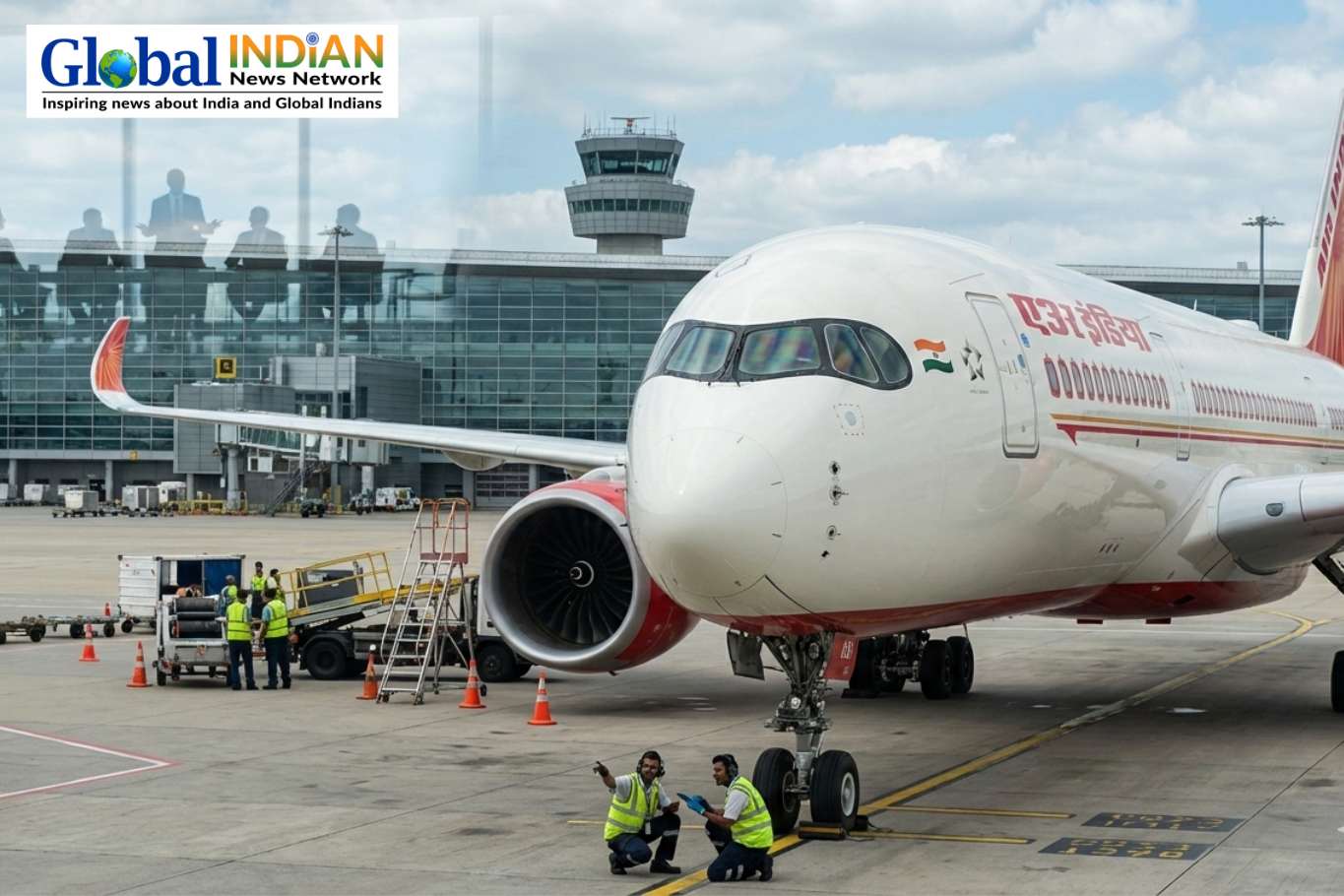
 Air India is reportedly looking for a new chief executive to succeed Campbell Wilson, according to sources familiar with the matter, as the airline continues to face scrutiny over operational and safety issues. The decision comes in the wake of the June 2025 crash, India’s deadliest aviation disaster in a decade, which claimed 260 lives.
Regulators have identified several problems at the airline, including flying aircraft without completing emergency equipment checks, delayed replacement of engine components, falsified maintenance records, and inadequate crew fatigue management. These issues have intensified calls for a leadership change to restore safety and operational standards.
Wilson, a New Zealand native, became Air India’s CEO and managing director in July 2022 following a 26-year career at Singapore Airlines, where he held senior positions across both the mainline carrier and its low-cost subsidiary, Scoot. Although his current term is set to end in mid-2027, industry insiders suggest he may be replaced sooner.
Air India is chaired by N. Chandrasekaran, who also leads Tata Group, Air India’s majority owner. Singapore Airlines retains a 25% stake in the carrier. The Economic Times reported that Chandrasekaran has initiated discussions with the CEOs of two prominent international airlines from the UK and the US to identify potential successors for Wilson.
Similar leadership changes are also anticipated for Air India Express, the group’s low-cost carrier. Since its privatization in 2022, when Tata Group acquired the state-owned airline, the conglomerate has invested heavily in modernizing the fleet and expanding routes. Despite these efforts, delays in aircraft deliveries, refurbishment setbacks, and operational challenges have complicated the airline’s turnaround, particularly in light of recent safety concerns.
Tata’s dissatisfaction with Wilson reportedly stems from the airline’s underperformance despite receiving significant autonomy and resources to implement improvements. As Air India navigates both modernization and regulatory scrutiny, the choice of a new CEO is expected to play a critical role in restoring confidence among passengers, regulators, and global aviation stakeholders.