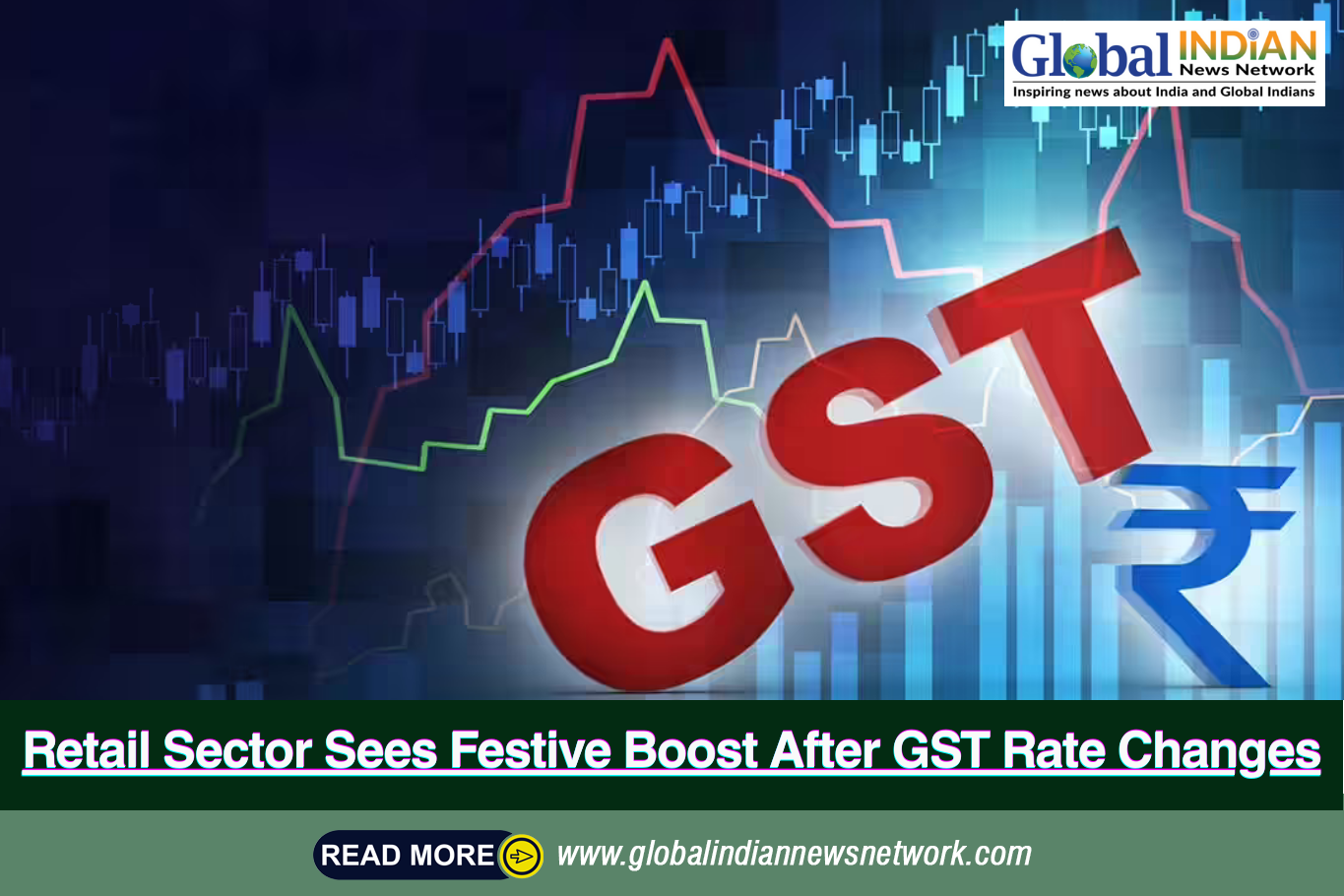
 India’s retail industry registered an 11% jump in sales during the 87-day festive window from August 1 to October 26, 2025, according to new data released by the Retailers Association of India (RAI). The rise has been largely attributed to the latest Goods and Services Tax (GST) adjustments, which encouraged consumers to spend more confidently in categories positioned in lower tax brackets.
Apparel and footwear priced under $27.88, both taxed at 12%, experienced a noticeable lift in demand as shoppers gravitated toward value-driven options. Meanwhile, premium apparel priced above $27.88, now taxed at 18%, recorded softer sales as consumers exercised caution in higher-priced discretionary segments. Overall, food and grocery, jewellery, and footwear each saw 12% growth, sports goods rose 11%, and apparel along with beauty and personal care increased by 9%.
The strong momentum reflected broad national participation. West India led the regional performance with a 13% rise in festive spending, while North and East India followed at 10% each. South India posted 9% growth, underscoring a countrywide lift in seasonal consumption. Quick Service Restaurants (QSRs) also enjoyed heightened activity as families opted for more dining out and experience-based purchases. The furniture segment witnessed increased buying as households prioritized home improvement during the festive months.
Kumar Rajagopalan, CEO of RAI, noted that the retail sector began 2025 with modest growth of about 4–5%. However, momentum strengthened between April and July, pushing growth closer to 7–8%. He highlighted that the GST Bachat Mahotsav played an important role in propelling festive-season sales into double digits, even as many consumers remained price-conscious in categories with higher tax rates.
Rajagopalan added that while discretionary spending in premium products slowed slightly, value-centric purchasing remained strong. Seasonal buying patterns supported jewellery and celebratory categories, whereas overall demand trends indicated that customers continued to prioritize affordability and products offering higher value for money.
The festive period’s strong showing suggests that GST restructuring has positively reshaped consumer behavior, boosting retail sentiment and giving the sector a solid foundation as it heads toward the end of the financial year.