 A recent report released on November 19 emphasizes that India remains the only nation in South Asia to enjoy unwavering support from the US Congress, even as global institutions face unprecedented pressure from geopolitical divisions. According to the analysis, this consistent backing significantly boosts New Delhi’s ability to influence decision-making at international platforms such as the United Nations and the G20. It also positions India to jointly guide conversations on emerging global priorities, from digital governance to clean energy transitions and climate resilience.
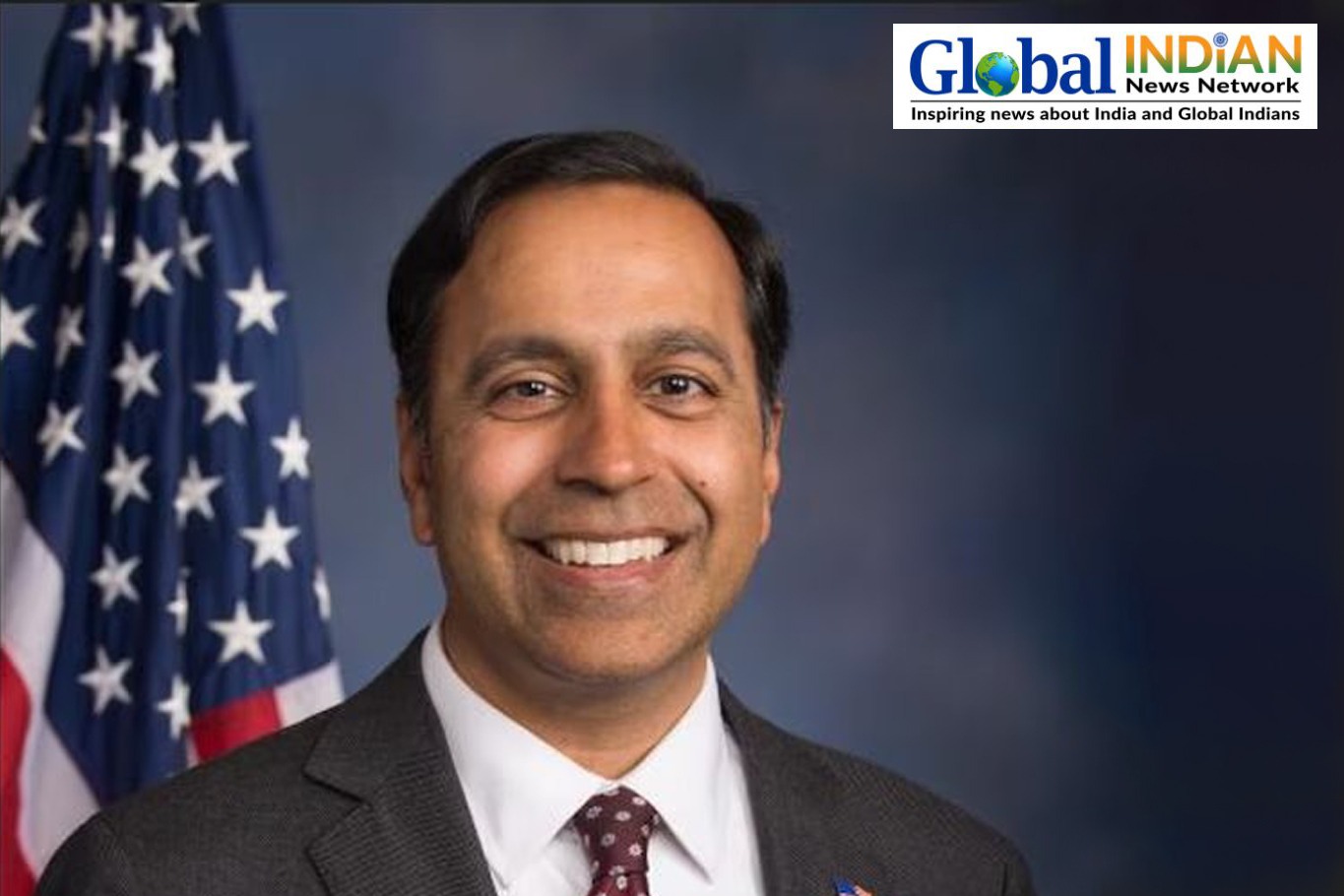
The report highlighted that when US Representatives Ami Bera and Joe Wilson introduced a bipartisan resolution on November 17 reaffirming the depth of the US-India strategic partnership, the gesture carried far more weight than symbolic diplomacy. Coming at a time marked by major global shifts—including wars in Europe and the Middle East, and heightened Indo-Pacific rivalry—the move underscores that India has become one of the few stable anchors within Washington’s broader foreign policy approach.
The publication One World Outlook noted that bipartisan agreement in today’s US political landscape is increasingly rare. Yet the resolution drew 24 co-sponsors from both major parties, pointing to a shared long-term vision: India is seen not as a temporary ally, but as a central strategic partner. This continuity gives India a rare advantage among rising global powers—predictability. It signals that initiatives involving defense cooperation, supply-chain restructuring, and high-tech collaboration are likely to endure seamlessly across future administrations.
The report also indicated that the resolution’s reference to India’s role in the Quad shows Washington’s recognition of India as a pivotal balancing force in the Indo-Pacific. With China expanding its naval presence and border tensions still simmering along the Himalayas, renewed US affirmation strengthens India’s deterrence posture. Analysts expect the COMPACT framework to see more intensive joint military exercises and advanced interoperability between US and Indian systems—levels once considered unlikely.
Another key insight from the report was the potential for expanded co-development of major defense technologies, including jet engines, advanced drones, and cybersecurity platforms. These collaborations reflect more than conventional defense deals—they demonstrate a deepening of strategic trust and a shared vision for future military readiness.
Ultimately, the report argued that this resolution is less a restatement of the existing partnership and more a blueprint for what the two nations could accomplish together. If India and the US transform this political momentum into concrete outcomes—such as integrated supply chains, joint innovation hubs, and next-generation defense programs—the decade ahead could mark not just continued alignment, but a period of strategic rise for both nations.