 The United States has signaled that negotiations on a long-delayed trade agreement with India are finally gaining traction, with a senior administration official stating that recent exchanges have delivered “a lot of positive developments.” The shift comes after Washington softened its earlier criticism of India’s purchases of Russian oil, reducing tensions that had slowed trade discussions for months.
Speaking to reporters on Thursday, the official said the Biden administration is working with India on two separate but interconnected tracks: a reciprocal trade pact and ongoing monitoring of India’s crude oil imports from Russia. The official noted that both fronts have shown improvement, allowing the broader economic dialogue to move forward. “We’ve seen encouraging movement recently,” the official said, expressing hope that tangible results might emerge “before the end of the year,” though cautioning that substantial work remains.
The proposed reciprocal trade framework aims to balance tariff obligations and open greater market access across both economies. Key issues on the table include US duties on Indian goods, New Delhi’s request to restore lost trade preferences, and Washington’s longstanding push for wider entry for American farm and industrial exports. India is also seeking improved mobility for services professionals in the US, a recurring point of negotiation.
The comments coincided with the White House unveiling preliminary trade agreements with Argentina, Ecuador, El Salvador, and Guatemala. These deals would lower tariffs on goods that the US cannot manufacture domestically, reflecting Washington’s broader strategy of pursuing targeted bilateral arrangements instead of sweeping multilateral agreements. The official added that constructive discussions are also underway with Vietnam, Indonesia, and Switzerland, highlighting a recalibrated approach to trade diplomacy.
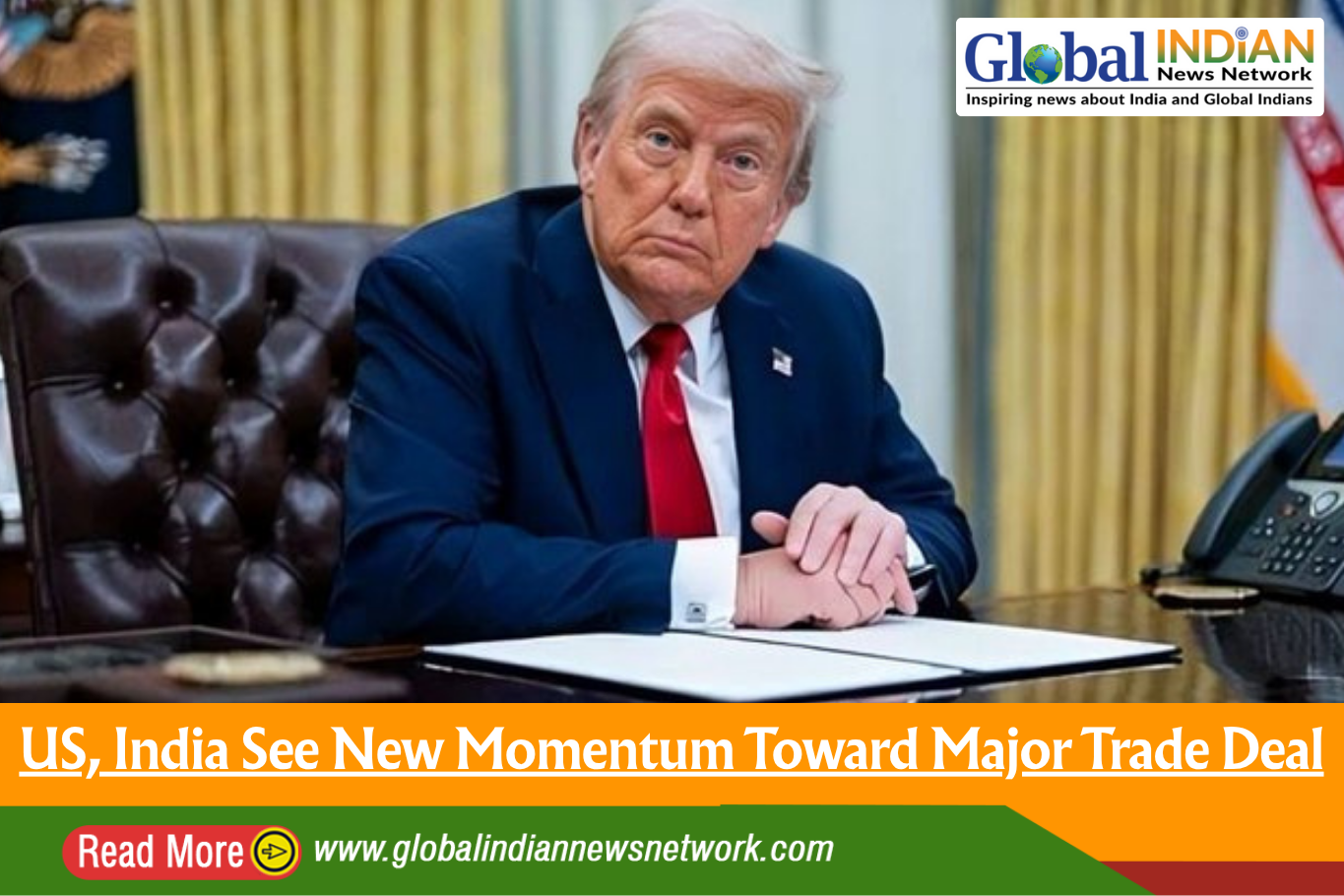
Momentum in the India-US talks is also expected to accelerate with Sergio Gor—an influential ally of President Donald Trump—assuming his role as the new US ambassador to India. During Gor’s swearing-in ceremony, Trump hinted that tariff reductions on certain Indian imports may be part of an impending breakthrough. “We are very close to something that could make a real difference,” Trump remarked.
A final agreement, if achieved, would resolve several longstanding disputes between the world’s largest and fifth-largest economies, including tariff barriers, data localization rules, e-commerce restrictions, and India’s push for restored preferential treatment. Previous attempts to conclude a comprehensive deal collapsed over these very issues, but both sides now appear more pragmatic as they attempt to close the gaps.