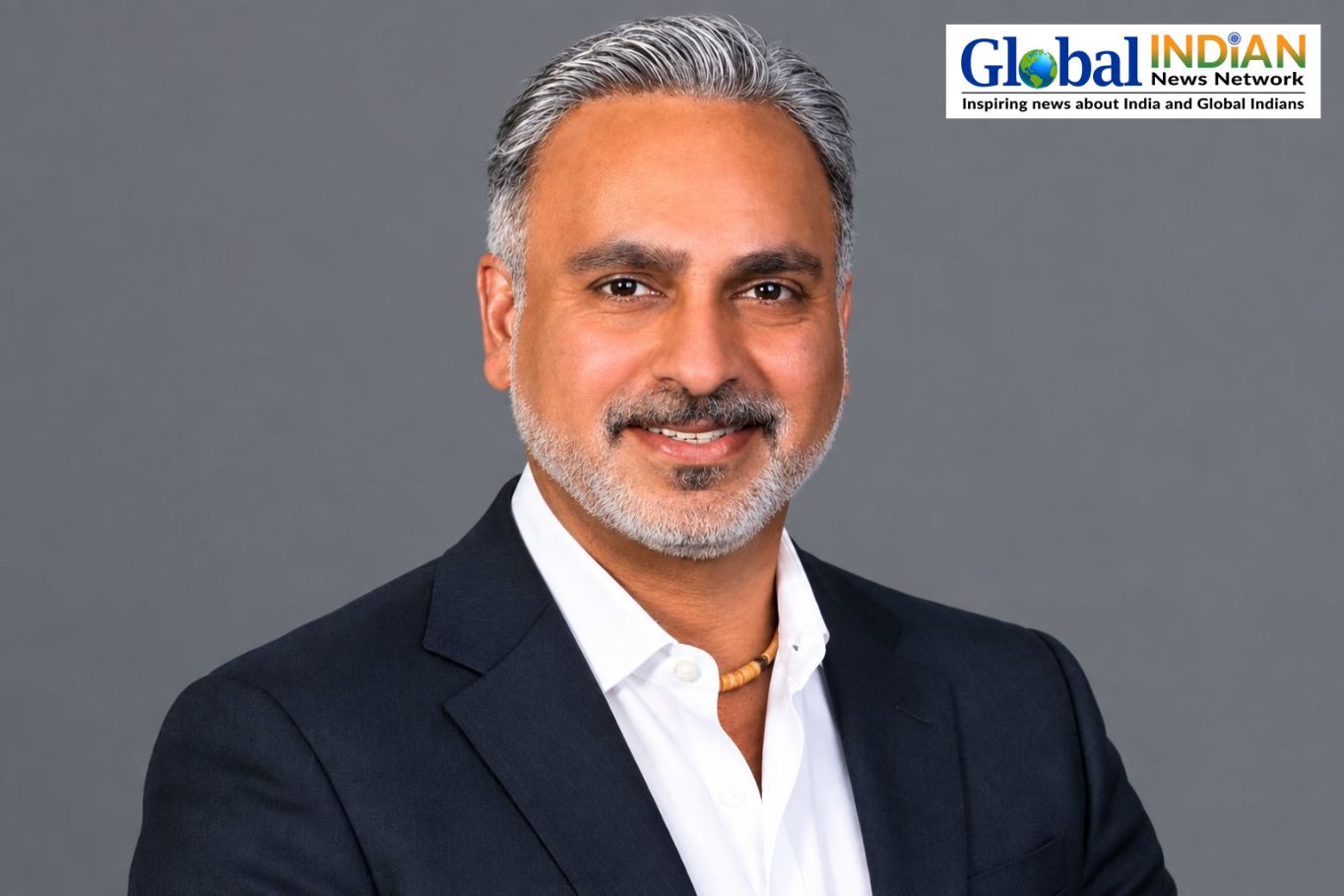
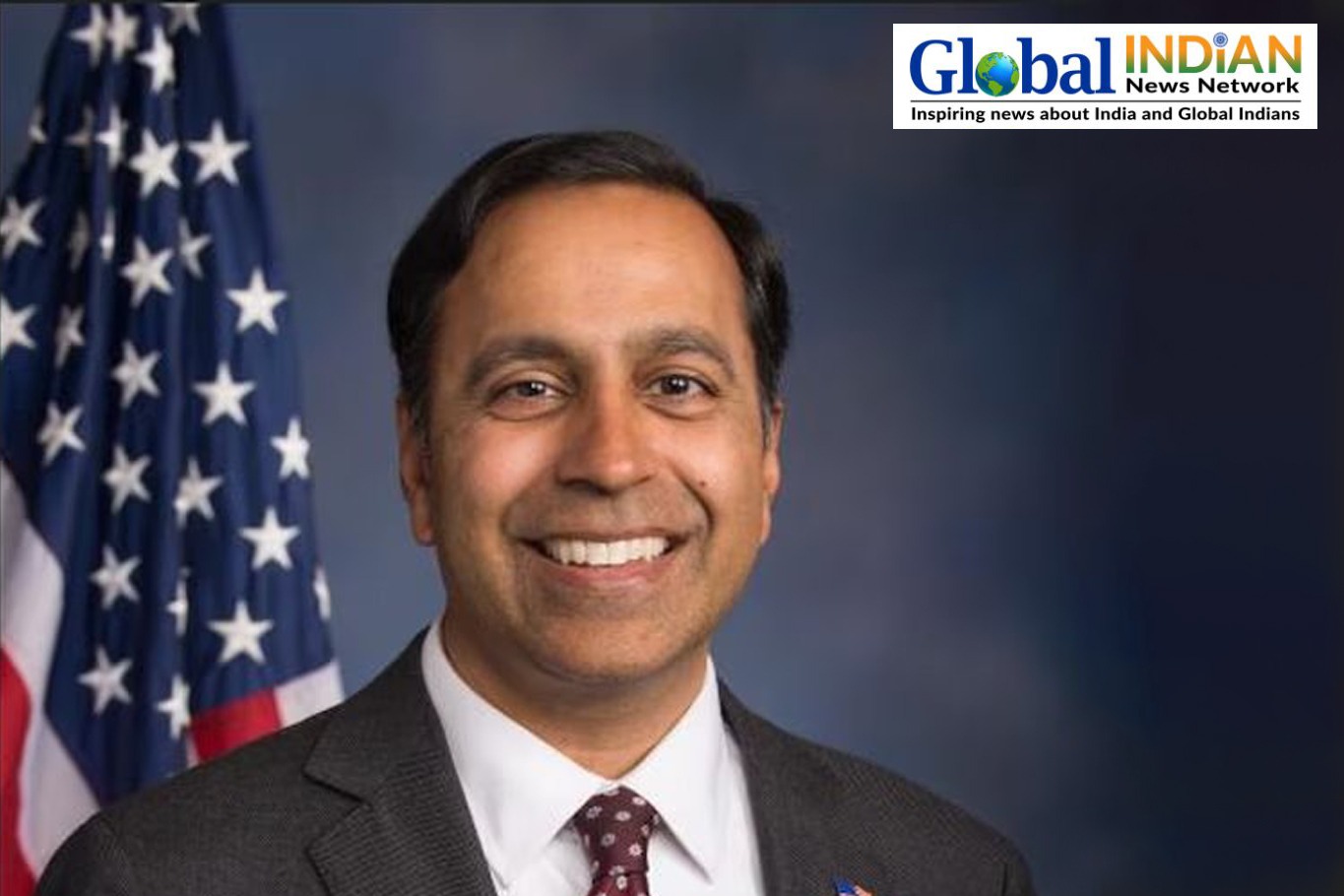
 In a strong showing for diversity and representation, Indian American Democrats achieved significant success in the 2025 US state elections. Two legislators retained their seats while another secured a new position, underscoring the community’s growing influence in American politics. The elections, held on November 4, reflected a broader Blue Wave that bolstered Democratic gains across several states.
In New Jersey’s District 7, Democratic Assemblyman Balvir Singh celebrated re-election alongside fellow Democrat Carol Murphy. Their campaign, which focused on equality, education, and economic opportunity, resonated strongly with voters. Together, they captured more than 66% of the vote, marking a clean victory for the Democrats. Singh, who was born in Punjab, India, and moved to the United States as a child, continues to serve as a voice for inclusion and social equity in Burlington Township.
Meanwhile, in Virginia’s District 26, Delegate JJ Singh secured a commanding win against Republican Ommair N. Butt. Singh garnered 19,776 votes, accounting for nearly 69% of the total, compared to Butt’s 8,766 votes. Expressing gratitude to his supporters, Singh wrote on X (formerly Twitter), “Thank you for sending me back to Richmond to fight for you! In Virginia, anything is possible.” A proud son of Indian immigrants, Singh was raised in Northern Virginia, where he lives with his wife and two daughters, and continues to advocate for community empowerment and progressive reform.
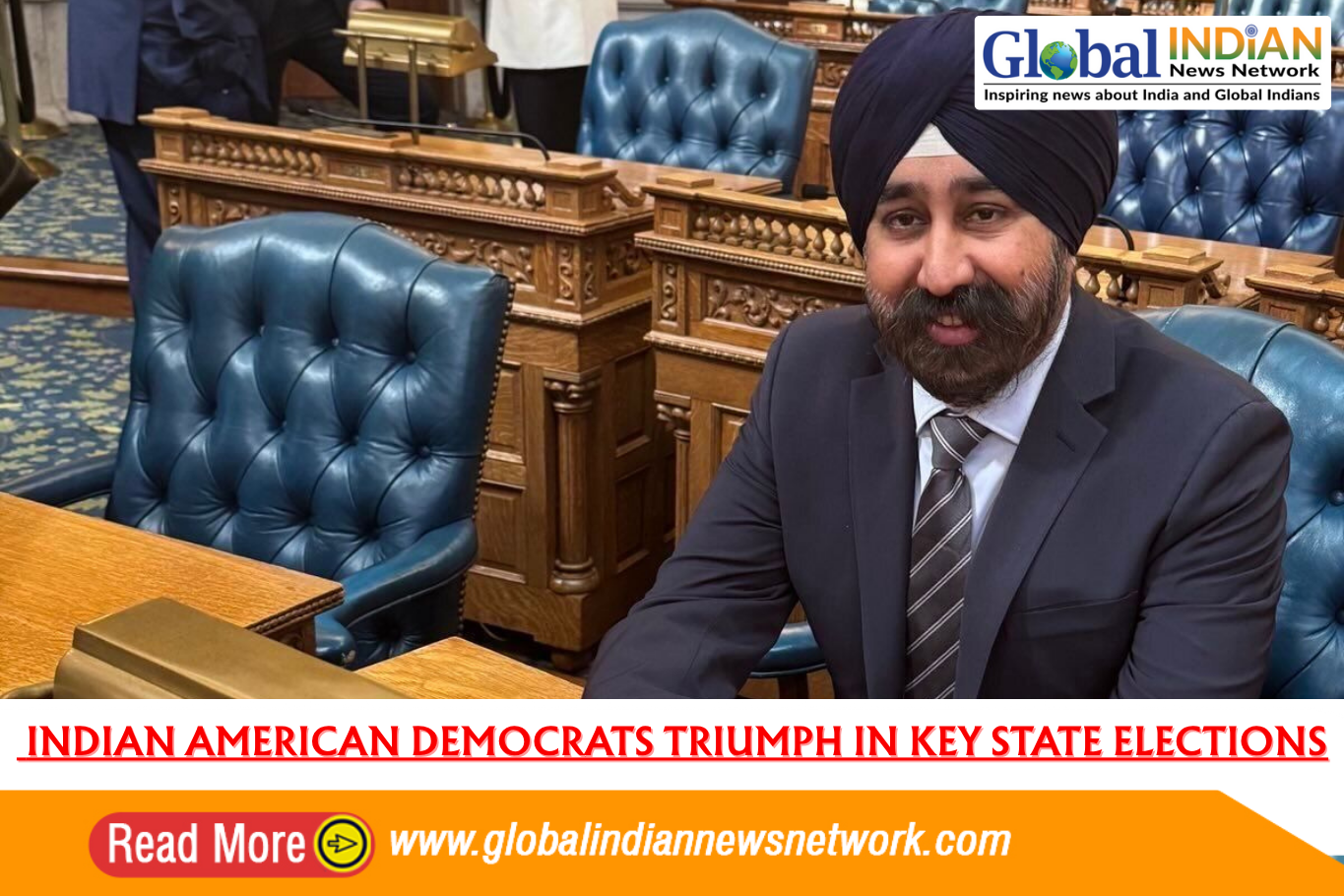
Adding to the momentum, Hoboken Mayor Ravi Bhalla clinched a seat in the New Jersey State Assembly representing District 32. Partnering with housing policy expert Katie Brennan, the duo won an overwhelming 76% of the vote, defeating Republican challengers Stephen Bishop and Kaushal Patel. Bhalla and Brennan’s collaborative campaign was strengthened by a new state law permitting candidates to bracket together, amplifying their progressive platform.
Their victories symbolize not only political success but also a deepening representation of Indian Americans in US governance. With each win, the community’s voice in shaping state and national policies continues to grow stronger.