 Union Commerce Minister Piyush Goyal has shared an update on the ongoing India-US trade discussions, saying negotiations are progressing well but will require more time due to several complex and sensitive matters. Speaking on Wednesday, Goyal noted that both sides are working diligently toward finalizing the India-US Bilateral Trade Agreement (BTA) as India continues to manage a 50% tariff regime.
His statement follows the White House’s recent confirmation that trade talks between New Delhi and Washington are making steady progress. The US administration, under President Donald Trump, has reiterated its commitment to strengthening relations with India, emphasizing frequent high-level communication between the two governments.
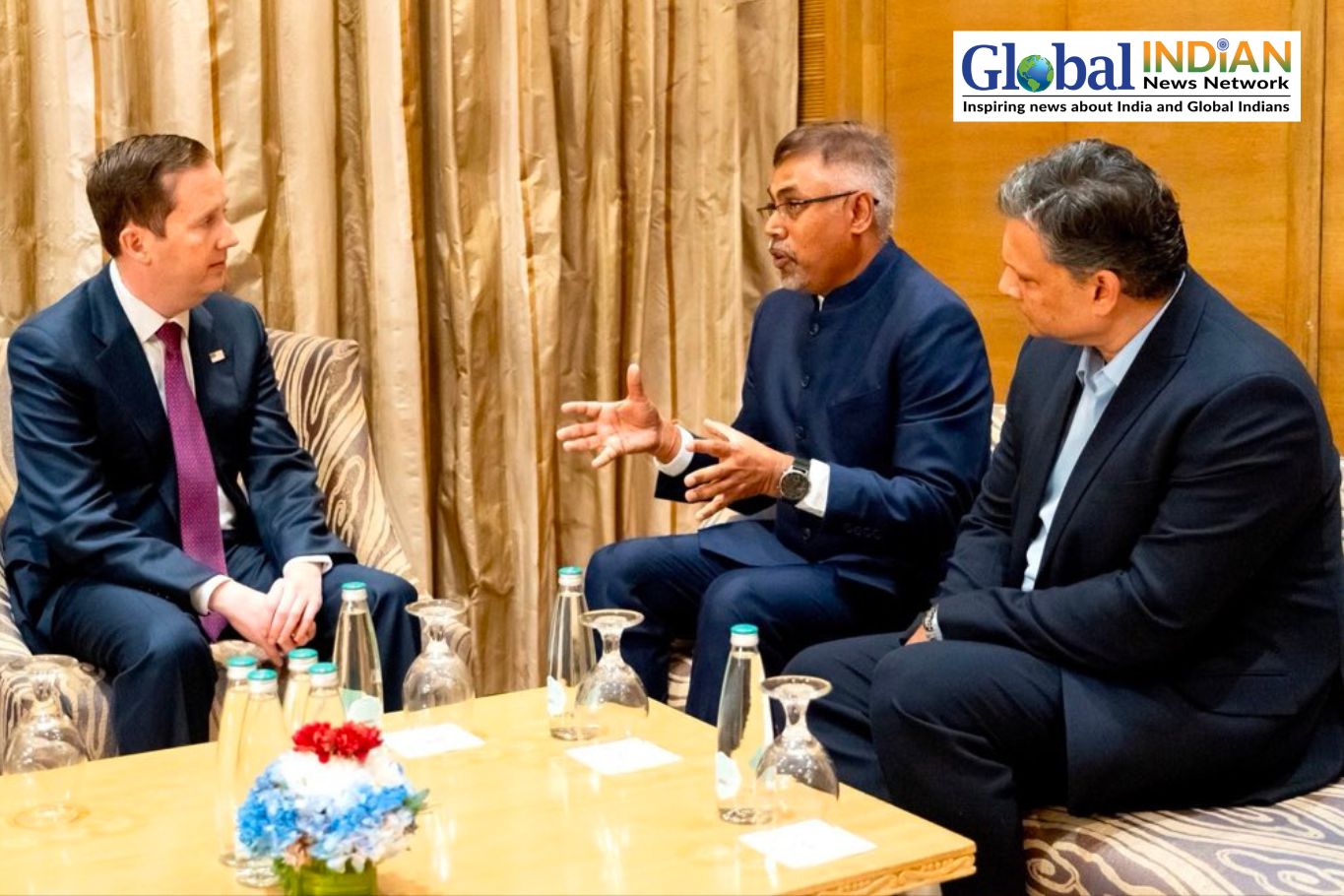
White House Press Secretary Karoline Leavitt told reporters that President Trump remains highly supportive of the India-US relationship. She added that Trump recently spoke with Prime Minister Narendra Modi, even joining him in Diwali celebrations at the White House alongside prominent Indian-American officials. Leavitt further mentioned that the US has an “excellent Ambassador to India, Sergio Gor,” and that Trump’s trade team continues “very serious discussions” with Indian counterparts.
Trump has also commended India for lowering its oil imports from Russia, calling New Delhi’s decision “very good” during his Asia tour. Since mid-October, he has repeatedly highlighted Modi’s assurance that India would consider curbing purchases of Russian crude—an issue closely tied to the US administration’s efforts to economically isolate Moscow amid the Ukraine conflict.
Meanwhile, an Indian government official revealed that both nations are nearing completion of the initial phase of the BTA. Negotiators are reportedly reaching consensus on key trade points and the agreement’s preliminary framework. “Discussions are progressing smoothly without major obstacles, and both parties remain optimistic about the timeline,” the official told ANI.
Since March, India and the US have held five rounds of consultations, most recently through virtual meetings. The first phase of the trade pact was originally expected to conclude by the fall of 2025. Despite the remaining differences on tariffs and trade policies, both nations appear committed to achieving a comprehensive and mutually beneficial agreement that could redefine economic cooperation between the world’s two largest democracies.