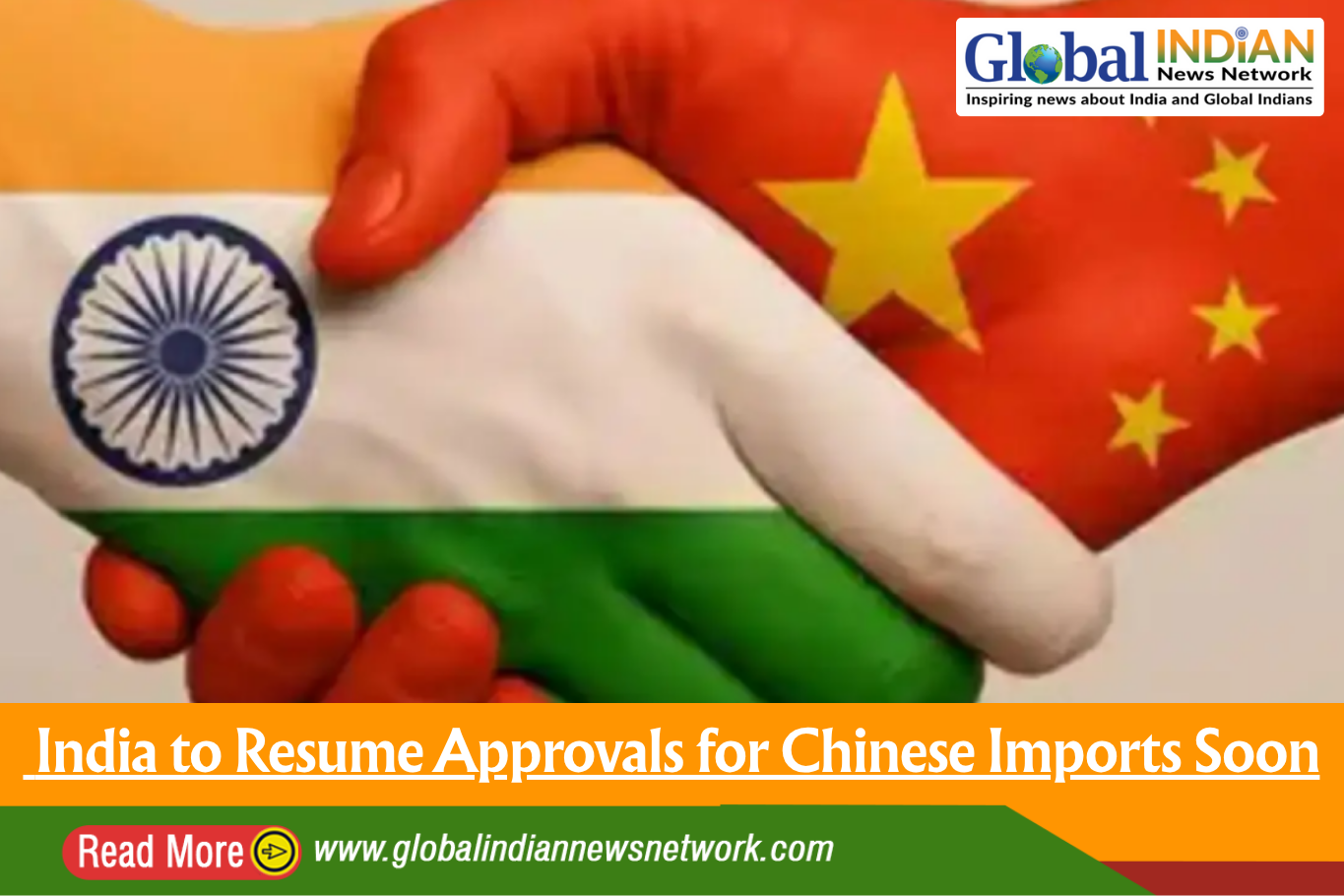
 In a move reflecting thawing relations with Beijing, New Delhi is preparing to restart long-pending import approvals for goods from China and other nations. The decision covers a range of products including electronic components, shoes, steel, household items, and raw materials — many of which have faced supply disruptions since 2020.
The approval freeze began after the 2020 border clashes soured diplomatic relations between the two neighbors. Now, with improving ties and surging consumer demand driven by recent GST reductions, the government is ready to issue mandatory certifications for overseas plants. These certifications are crucial for companies seeking to export to India, particularly in sectors governed by Quality Control Orders (QCOs).
Last week, the Department for Promotion of Industry and Internal Trade (DPIIT) directed manufacturers to submit detailed updates on certification delays. The ministry also reached out to industry associations to expedite pending approvals. A senior official confirmed that the Centre plans to begin issuing and renewing licenses for multiple countries, including China, on a case-by-case basis.
The move comes at a time when the domestic market is witnessing record festive-season demand. Consumer goods like large-screen TVs, washing machines, and refrigerators are running short as companies cut prices to pass on tax savings. Approvals for foreign suppliers will help replenish inventories and stabilize supply chains strained by delayed imports.
Under the Bureau of Indian Standards (BIS) framework, every manufacturing facility—domestic or overseas—must be inspected before certification. While Indian factories have received swift clearances, approvals for Chinese plants had virtually stalled, worsening the shortage of imported components.
The renewed engagement follows recent developments such as Beijing’s decision to resume heavy rare-earth magnet exports to India, vital for electric vehicle and renewable-energy industries. Following Prime Minister Narendra Modi’s August visit to China and his meeting with President Xi Jinping, direct flights and Chinese business visas have also resumed.
Although foreign direct investment from China still requires special clearance under Press Note 3, this policy shift signals India’s pragmatic approach—balancing its “Make in India” agenda with the immediate need to meet domestic demand and maintain steady industrial growth.