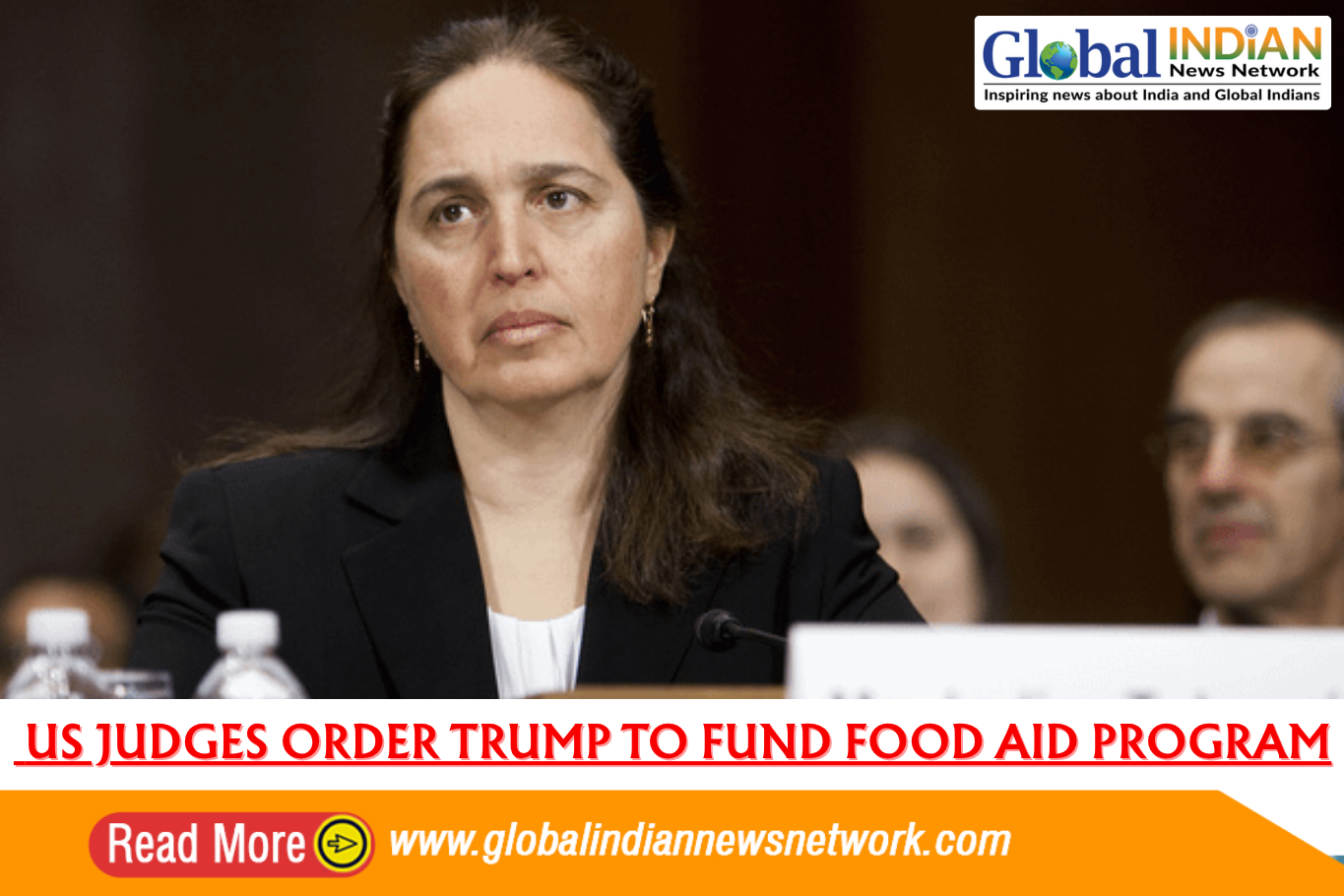
 Two US federal judges have ruled that President Donald Trump’s administration must continue financing the Supplemental Nutrition Assistance Program (SNAP), even as the federal government faces a prolonged shutdown. The rulings, issued by Judge Indira Talwani in Massachusetts and Judge John J. McConnell in Rhode Island, require the administration to tap into emergency reserves to keep the nation’s largest food aid initiative operational.
SNAP, formerly known as the food stamp program, provides essential nutrition support to around 42 million low-income Americans. The program ensures that families struggling with poverty can afford basic groceries, particularly during times of economic strain. The Trump administration had planned to halt payments amid the budget deadlock, which has left multiple federal agencies without funding as the shutdown extends into its fifth week.
Judge McConnell’s order mandates that the US Department of Agriculture (USDA) release contingency funds “as soon as possible” to maintain uninterrupted benefits for families. Meanwhile, Judge Talwani directed the administration to present a detailed plan by November 3 explaining how it intends to safeguard SNAP funding for the coming month.
The dual rulings were prompted by a lawsuit filed by 25 states, including Massachusetts, arguing that withholding food assistance during a government shutdown would violate citizens’ basic rights and exacerbate economic hardship. The court sided with the states, stressing that ensuring access to food is a critical public welfare issue.
Speaking to reporters about the case, President Trump remarked that the SNAP program primarily benefits “Democrat voters” but quickly added that, as President, he is committed to helping all Americans—regardless of political affiliation. “When you talk about SNAP, you’re largely talking about Democrats, but I’m President. I want to help everybody—Democrats and Republicans,” he said.
The rulings mark a significant judicial intervention during one of the longest shutdowns in US history, ensuring that millions of Americans dependent on food aid will not be left hungry due to political gridlock. By invoking emergency provisions, the courts have effectively required the federal government to prioritize basic human needs over bureaucratic deadlock—at least until Congress and the White House can agree on a spending resolution.