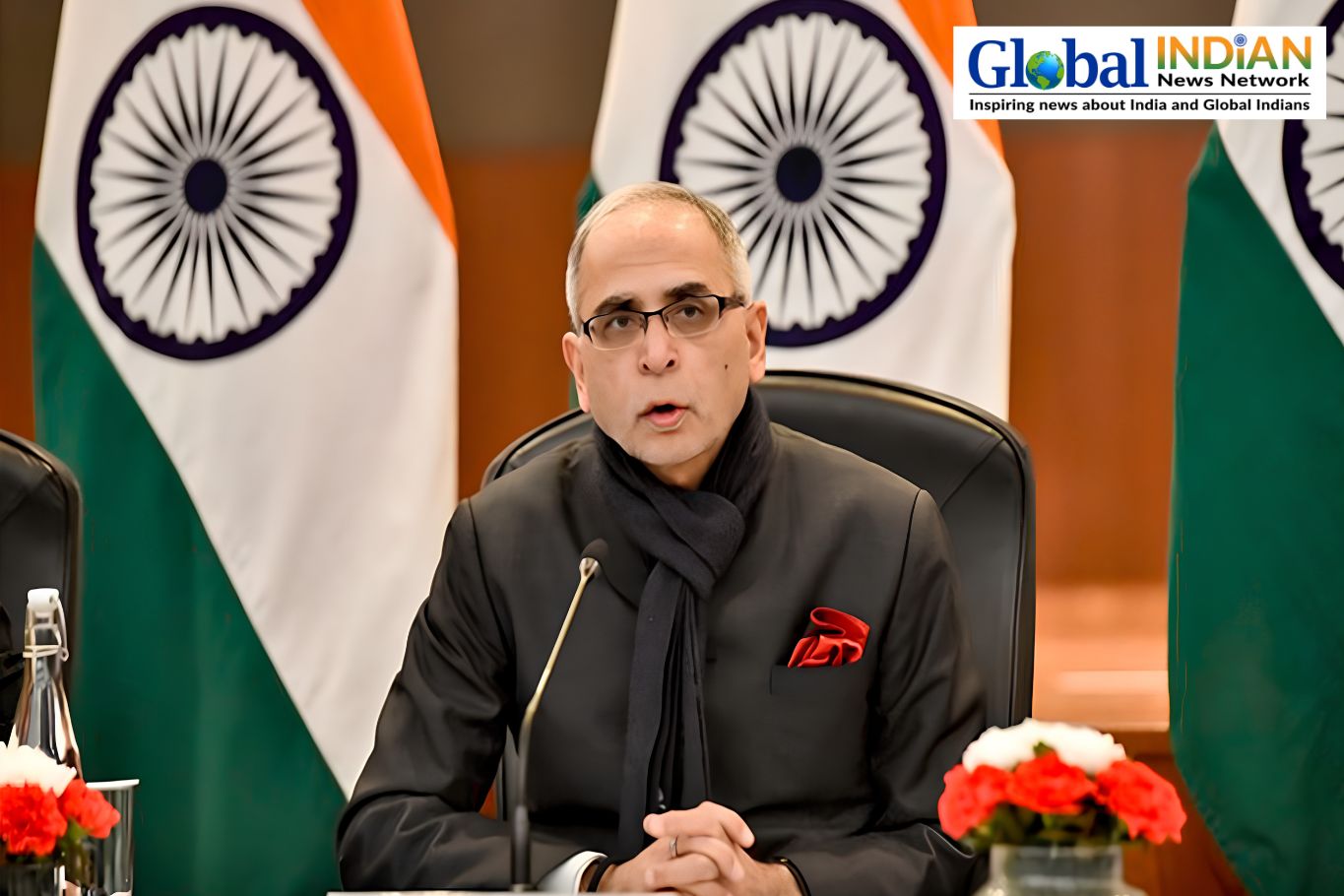
 India and the United States are steadily progressing toward finalizing a long-discussed trade deal, according to Randhir Jaiswal, spokesperson for India’s Ministry of External Affairs. He confirmed that ongoing talks between both sides remain active, with negotiators aiming to conclude an agreement soon.
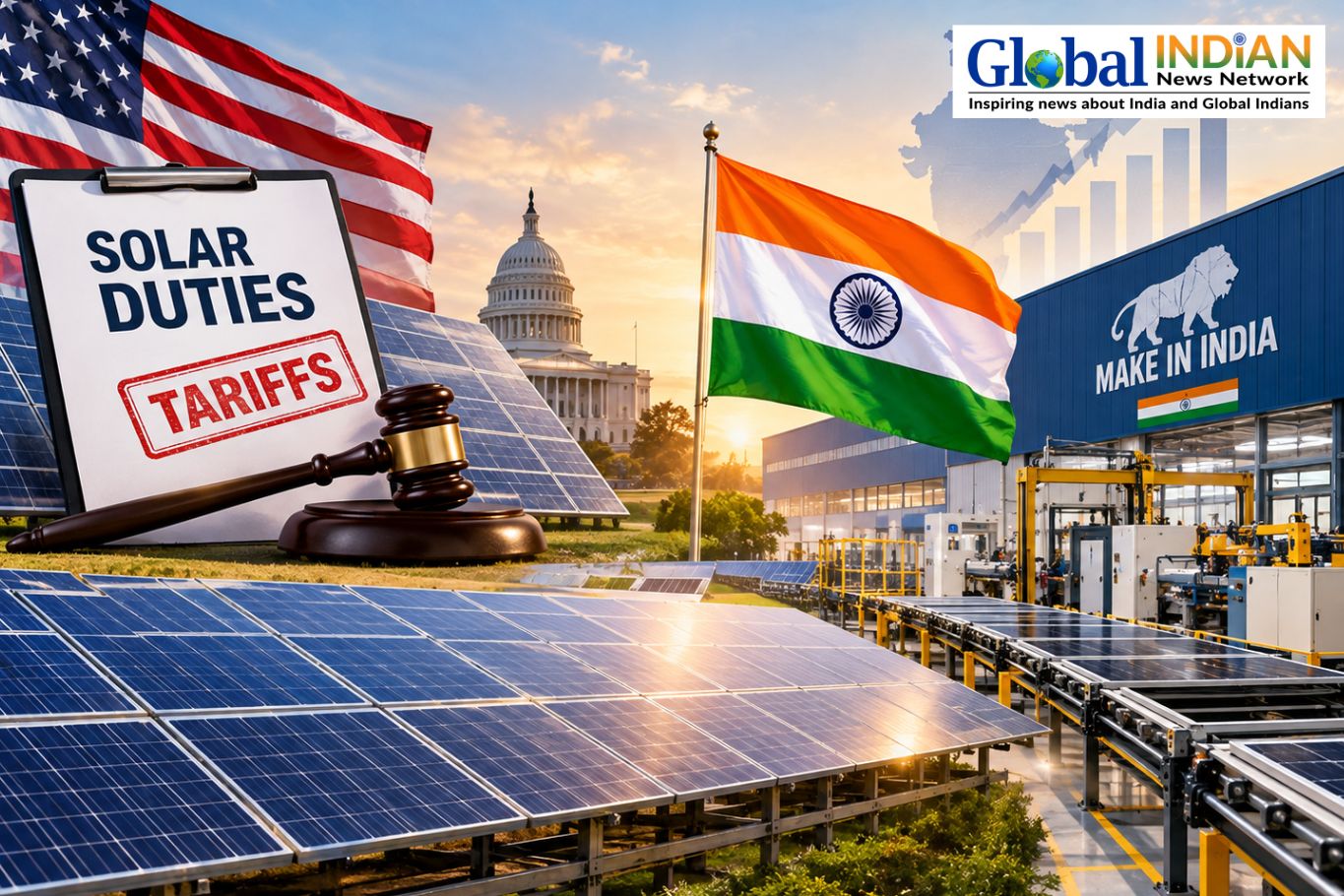
The discussions come at a crucial moment as the US currently imposes steep 50% tariffs on Indian goods—half of which are reciprocal, while the other half serve as penalties tied to India’s crude oil purchases from Russia. However, the proposed trade arrangement could significantly reduce these levies, cutting them to about 15%, while prompting India to lower its Russian oil imports and expand energy cooperation with Washington.
Former US President Donald Trump hinted at the nearing deal during his address at an Asia-Pacific conference in South Korea. Expressing “great respect and love” for Prime Minister Narendra Modi, he remarked that his trade negotiations with India once helped prevent tensions between India and Pakistan from escalating. Though his statement carried his characteristic exaggeration, Trump emphasized that the agreement has already earned his endorsement.
Reports suggest that trade representatives from both nations have reached a preliminary framework agreement awaiting final signatures. Sources cited by The Times of India revealed that the deal is designed to strengthen economic ties and open new opportunities for energy and agricultural collaboration.
India, meanwhile, reiterated its stance that its crude oil imports are guided by energy security considerations. Jaiswal noted that India’s strategy focuses on ensuring a steady supply of affordable energy through diversified sources, even as refiners gradually scale back discounted Russian oil purchases in favor of US petroleum imports.
In addition to energy cooperation, India also plans to source US corn to support its growing biofuel program that blends ethanol with gasoline. The broader agreement may also involve undisclosed military technology exchanges, marking a significant step toward deeper strategic and economic alignment between New Delhi and Washington.