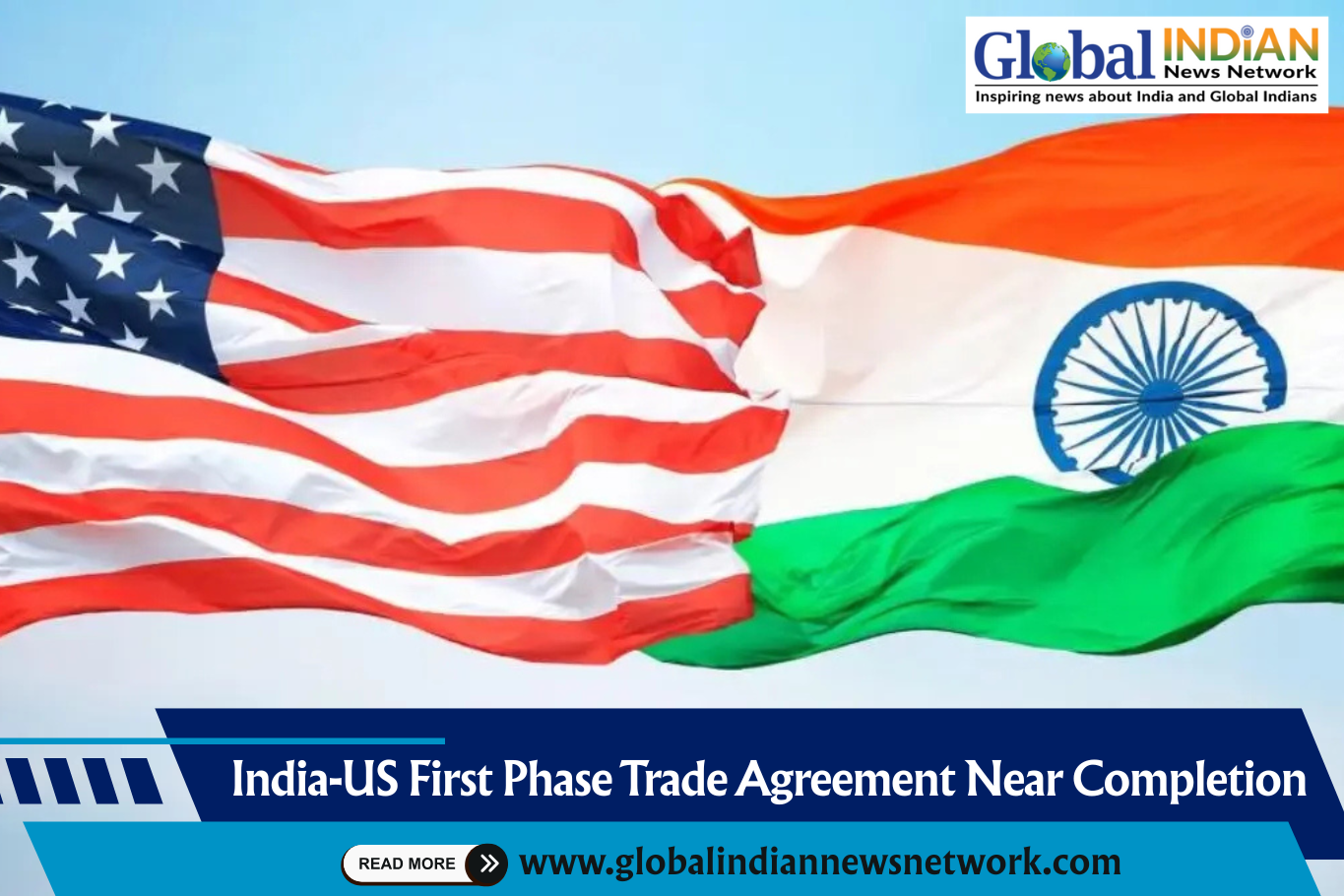
 India and the United States are moving steadily toward finalizing the initial phase of their long-anticipated trade agreement, targeting completion by fall 2025, according to a senior Indian official. The negotiations, ongoing for several months, are designed to address pressing tariff and market access challenges while laying the groundwork for a wider, long-term trade partnership. Officials from both nations have agreed on a rigorous yet feasible timeline, with the first-phase framework emphasizing energy, technology, and essential supply chains.
Multiple working groups and ministerial-level discussions are actively shaping the agreement, reflecting strong alignment on achieving a first-stage deal by next year. Observers note that the early-stage pact, often referred to as an “early harvest” agreement, could provide immediate stability for supply chains disrupted by global geopolitical tensions. This approach would allow India and the US to solidify core economic sectors while setting the stage for a comprehensive trade deal in subsequent phases.
Energy cooperation is expected to be a key pillar of the agreement. India is exploring increased imports of US crude oil and liquefied natural gas (LNG) to diversify its energy portfolio and enhance long-term energy security. As one of the fastest-growing buyers of American energy, India stands to benefit from streamlined trade and investment mechanisms under the new pact. Experts suggest that such energy provisions, combined with technology collaboration, will boost competitiveness and resilience in both economies.
The agreement is also aligned with broader strategic initiatives, including the Indo-Pacific Economic Framework (IPEF) and Quad cooperation. By strengthening trade, technological collaboration, and investment flows, the deal aims to create a resilient and innovation-driven economic architecture. Successful completion of the first phase would mark a historic milestone in India-US relations, reinforcing shared objectives of sustainable growth, strategic partnership, and global economic leadership.
With negotiations advancing steadily, both nations remain committed to a pragmatic, technology-focused, and mutually beneficial trade relationship, signaling an era of closer economic engagement and strategic alignment between two of the world’s fastest-growing major economies.