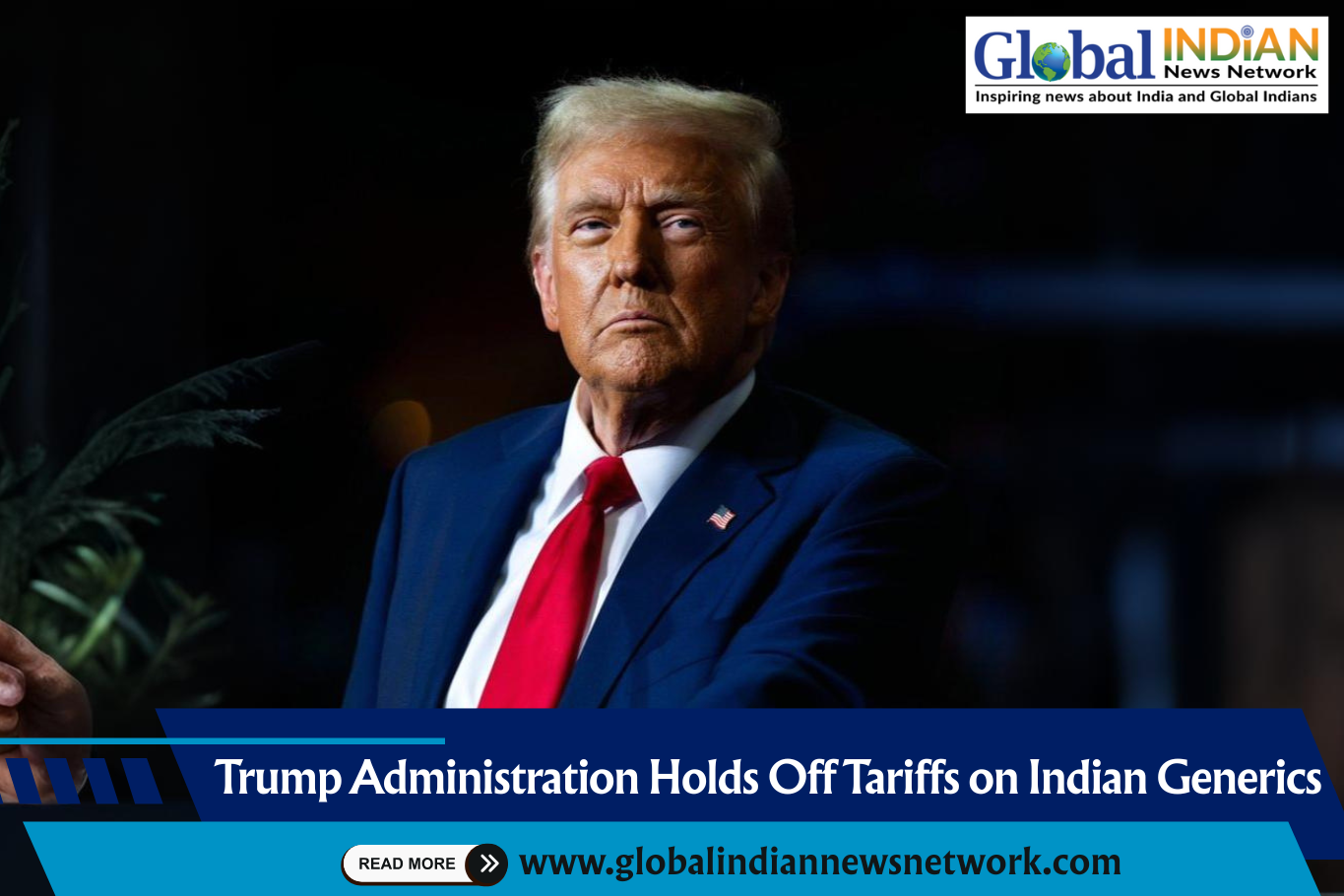
 As the Trump administration continues efforts to reduce US dependence on foreign pharmaceutical production, it has decided, at least temporarily, not to impose tariffs on generic drugs, according to a Wall Street Journal report. This move follows months of internal debate and pressure from within Trump’s team, amid broader discussions about national security and the integrity of pharmaceutical supply chains. The decision comes as a major relief to Indian pharmaceutical firms, which provide nearly half of all generic prescriptions in the United States.
Earlier proposals had threatened tariffs on a wide range of imported medications, including brand-name and generic drugs. However, officials have now confirmed that Section 232 tariffs on generics are not currently under active consideration, though the situation may evolve in the coming weeks. White House spokesperson Kush Desai confirmed that the administration is not actively pursuing tariffs on generics, while the Commerce Department, which has led the Section 232 investigation, issued a similar statement.
This decision represents a significant narrowing of the April investigation, which initially considered tariffs on both generic and non-generic drugs, as well as their ingredients. For India, often called the “pharmacy to the world,” this is particularly significant. Indian pharmaceutical companies dominate the US generic market, supplying 47 percent of all prescriptions, according to IQVIA. In 2022, firms such as Cipla, Sun Pharmaceuticals, and Dr. Reddy’s Laboratories supplied more than half of all prescriptions in five of the ten most commonly treated therapeutic areas, including cholesterol management, hypertension, depression, gastrointestinal disorders, and nervous system conditions. Key exports include generics like Metformin, Atorvastatin, Losartan, Amoxicillin, and Ciprofloxacin.
The decision also reflects internal policy divisions. Figures such as Theo Merkel from the Domestic Policy Council warned that tariffs could drive up costs and create shortages without effectively encouraging domestic production, given the low cost of Indian generics. Others within the Commerce Department argue that tariffs or quotas may still be necessary to secure US supply chains against future disruptions, such as those experienced during the COVID-19 pandemic.
Instead of imposing tariffs, the administration is exploring alternative measures to promote domestic production, including a potential executive order to provide federal funding, grants, or low-interest loans to US-based pharmaceutical manufacturing. Desai emphasized a “nuanced and multi-faceted approach” to ensure Americans are not dependent on foreign generics as during the COVID era. Nonetheless, political pressure persists, with GOP Senator Rick Scott urging tariffs on generics alongside brand-name drugs.