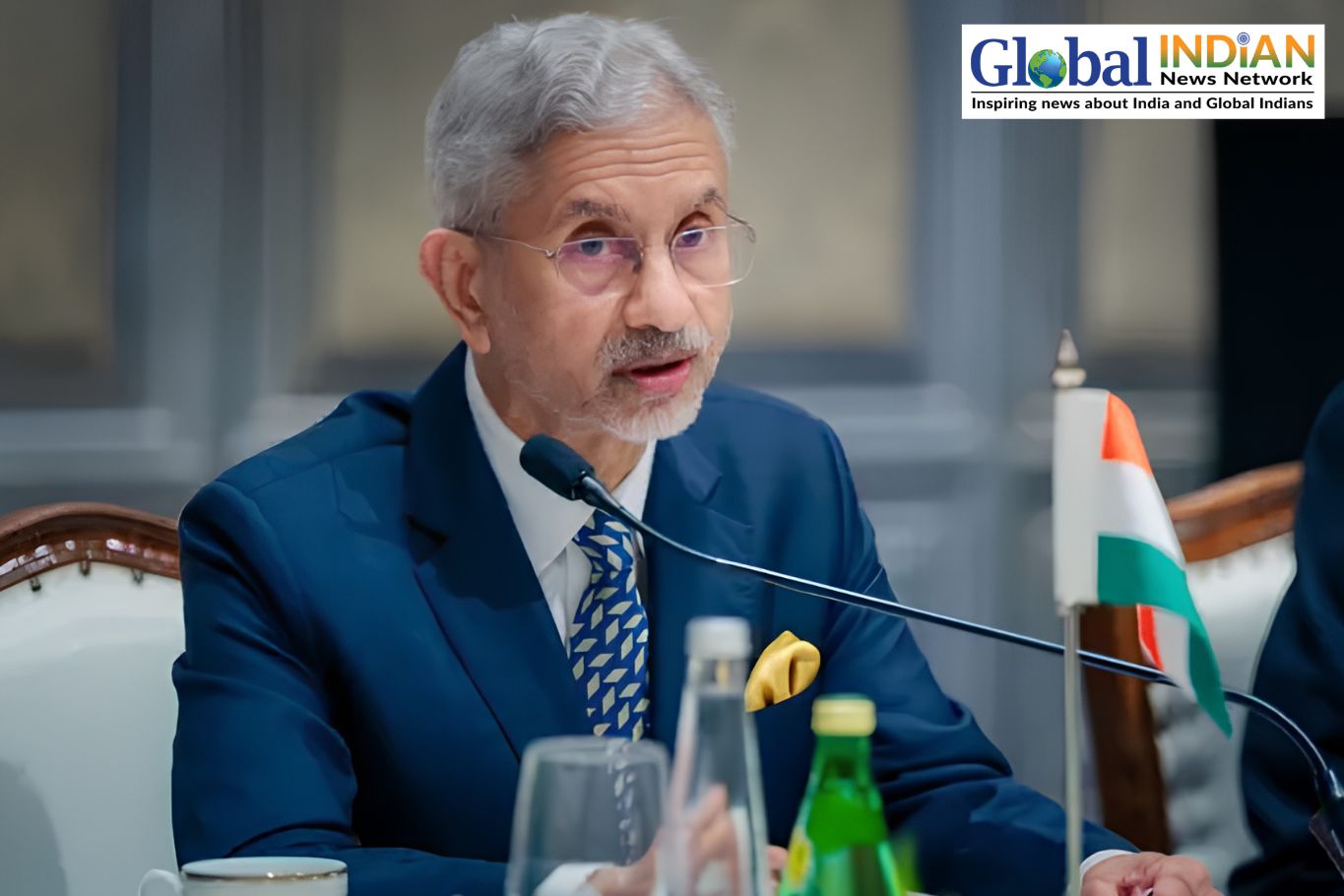
 During the 60th session of the United Nations Human Rights Council (UNHRC) in Geneva, India strongly criticized Pakistan for its human rights record, highlighting the mistreatment of minorities within the country. Indian diplomat Mohammed Hussain described Pakistan’s actions as “deeply ironic,” pointing out that a nation with a troubled human rights history was attempting to lecture others on the subject. He asserted that Pakistan misuses international forums with fabricated allegations against India, which only expose its own hypocrisy. Hussain urged Islamabad to acknowledge and address the state-sponsored persecution and systematic discrimination faced by its religious and ethnic minorities instead of resorting to propaganda.
Pakistan’s envoy, Abbas Sarwar, responded during the 35th council meeting, invoking the right to reply. He accused India of deflecting attention from what he termed the “dire human rights situation” in Jammu and Kashmir. Sarwar reiterated Pakistan’s long-standing claims regarding the region, alleging that India’s policies, including actions in Ladakh following August 2019, reflect illegal measures and warrant international scrutiny.
The session also drew attention to unrest within Pakistan-occupied Jammu and Kashmir (PoJK). Nasir Aziz Khan, spokesperson of the United Kashmir People’s National Party (UKPNP), urged global intervention, citing recent strikes and protests, including a complete shutdown and wheel-jam strike on September 29 organized by the Joint Awami Action Committee. Khan described how Pakistani authorities deployed Rangers, suspended internet services, and imposed communication blackouts to suppress dissent. He claimed over three million Kashmiris in PoJK were under siege, with an additional two million abroad separated from their families.
The unrest in Muzaffarabad, PoJK’s capital, initially peaceful, escalated into violent demonstrations demanding lower electricity tariffs, subsidized wheat, improved healthcare, and removal of 12 legislative seats for refugee representatives, which protesters argued distorted political representation. The Pakistani government responded with heavy security measures, including flag marches, increased Ranger deployments, and suspension of communications in key districts.
Separately, a seminar during the UNHRC session highlighted worsening human rights conditions in Pakistan and Bangladesh, emphasizing the need for international attention and accountability. The exchanges reflect ongoing diplomatic tensions between India and Pakistan, as well as mounting concerns about minority rights and civil liberties in the region.