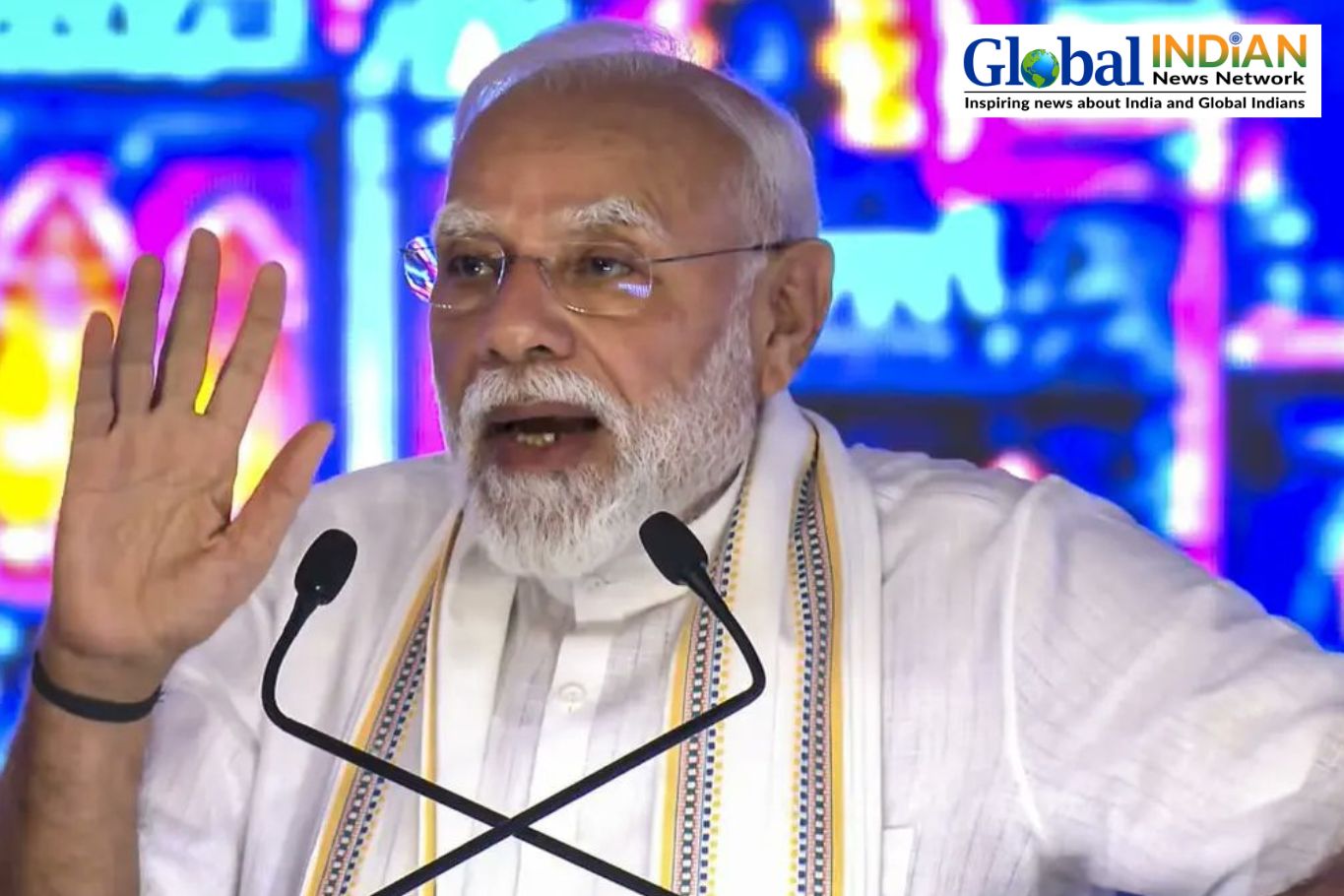
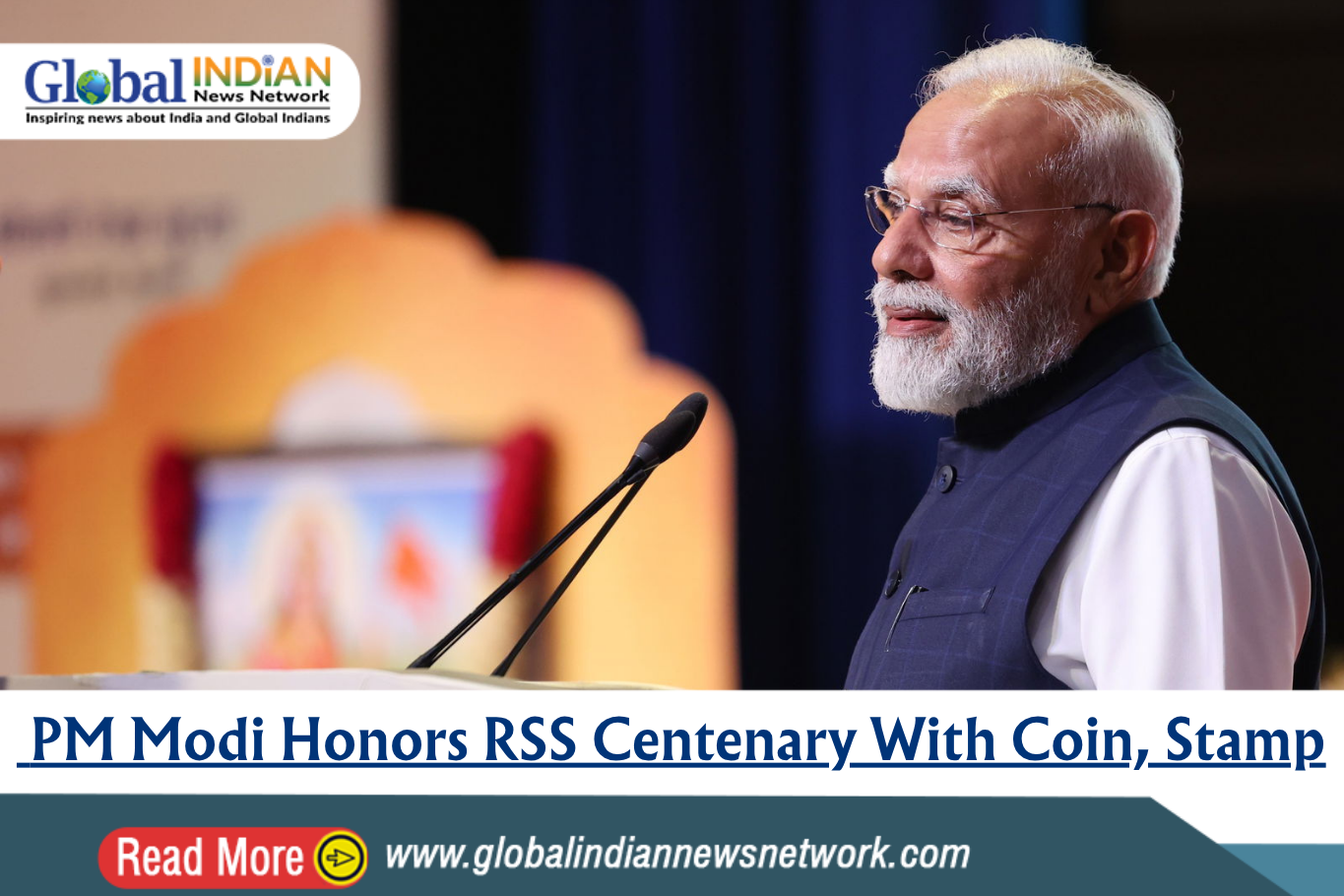
 On Wednesday, Prime Minister Narendra Modi lauded the Rashtriya Swayamsevak Sangh (RSS) during its centenary celebrations in New Delhi, emphasizing the organization’s enduring commitment to nation-building and societal development. Modi highlighted that the RSS has positively influenced and strengthened countless lives over the last century, guiding generations with a vision centered on the progress of the nation. Drawing an analogy, he compared the flourishing of human civilizations along the banks of mighty rivers to the way individuals have thrived and developed within the framework of the RSS. He reiterated that since its inception, the Sangh’s overarching mission has been focused on fostering national growth and unity.
Modi observed that the founding of the RSS a hundred years ago on Vijayadashami was symbolically significant, reflecting the festival’s core values of triumph of good over evil, truth over falsehood, and light over darkness. He said that establishing the Sangh on such an auspicious day was no coincidence, and the organization’s long-standing objective has consistently revolved around serving the nation. The Prime Minister also paid homage to the RSS founder, KB Hedgewar, acknowledging his dedication to public service and national welfare, while expressing gratitude for the opportunity of the current generation to witness the centenary milestone of the organization.
In a historic gesture, Modi unveiled a commemorative Rs 100 coin, featuring the National Emblem on one side and an image of Bharat Mata seated on a lion in ‘varad mudra’ with swayamsevaks bowing in respect on the reverse. This marks the first time in independent India’s history that Bharat Mata has been depicted on national currency. Additionally, a special postal stamp was introduced, depicting RSS volunteers’ participation in the 1963 Republic Day Parade, celebrating the organization’s longstanding engagement in national service. Modi underscored that despite the presence of multiple sub-organizations within the RSS, all operate harmoniously without internal conflict, united under the guiding principle of “Nation First,” serving different facets of societal development while remaining aligned with the Sangh’s fundamental mission.