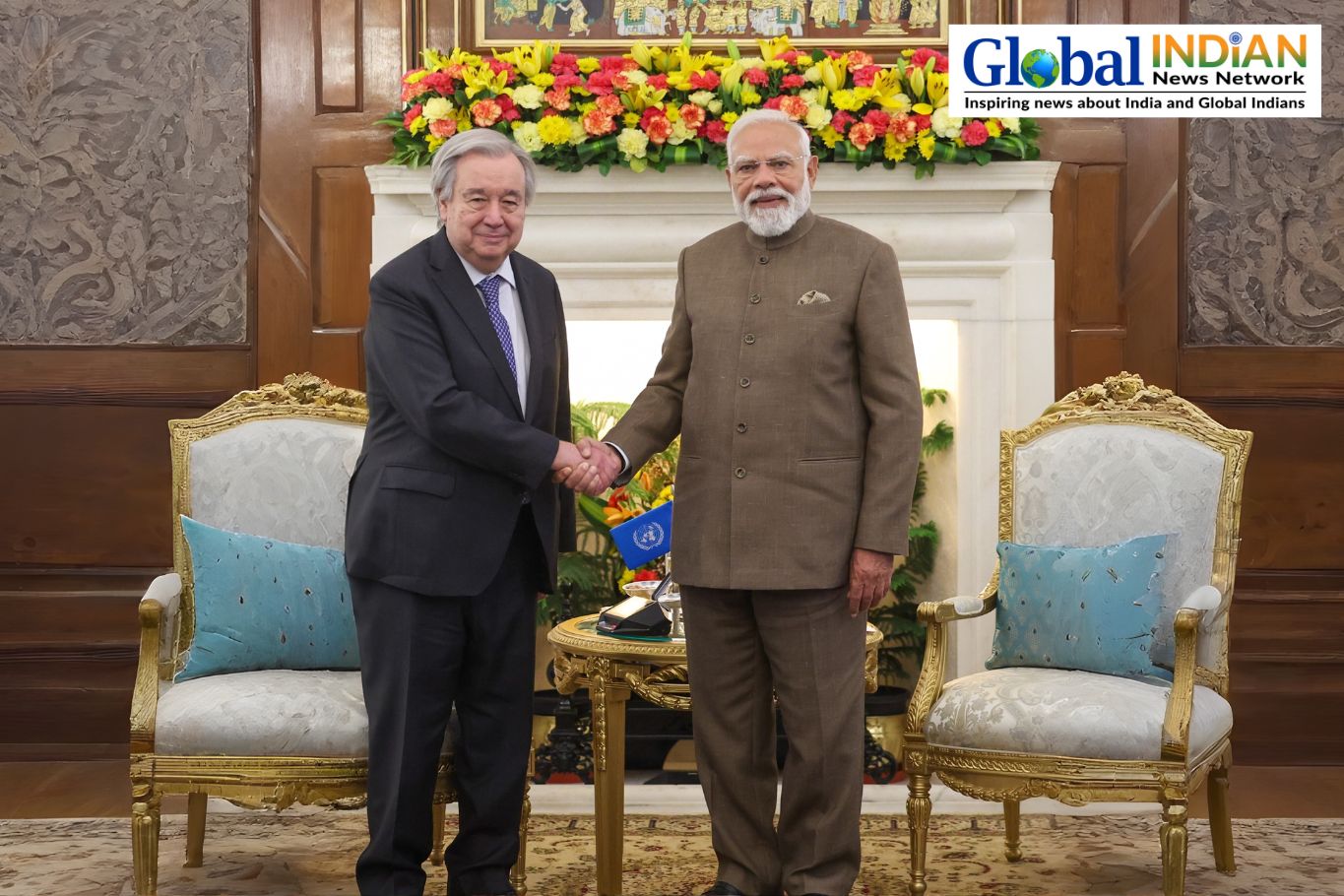
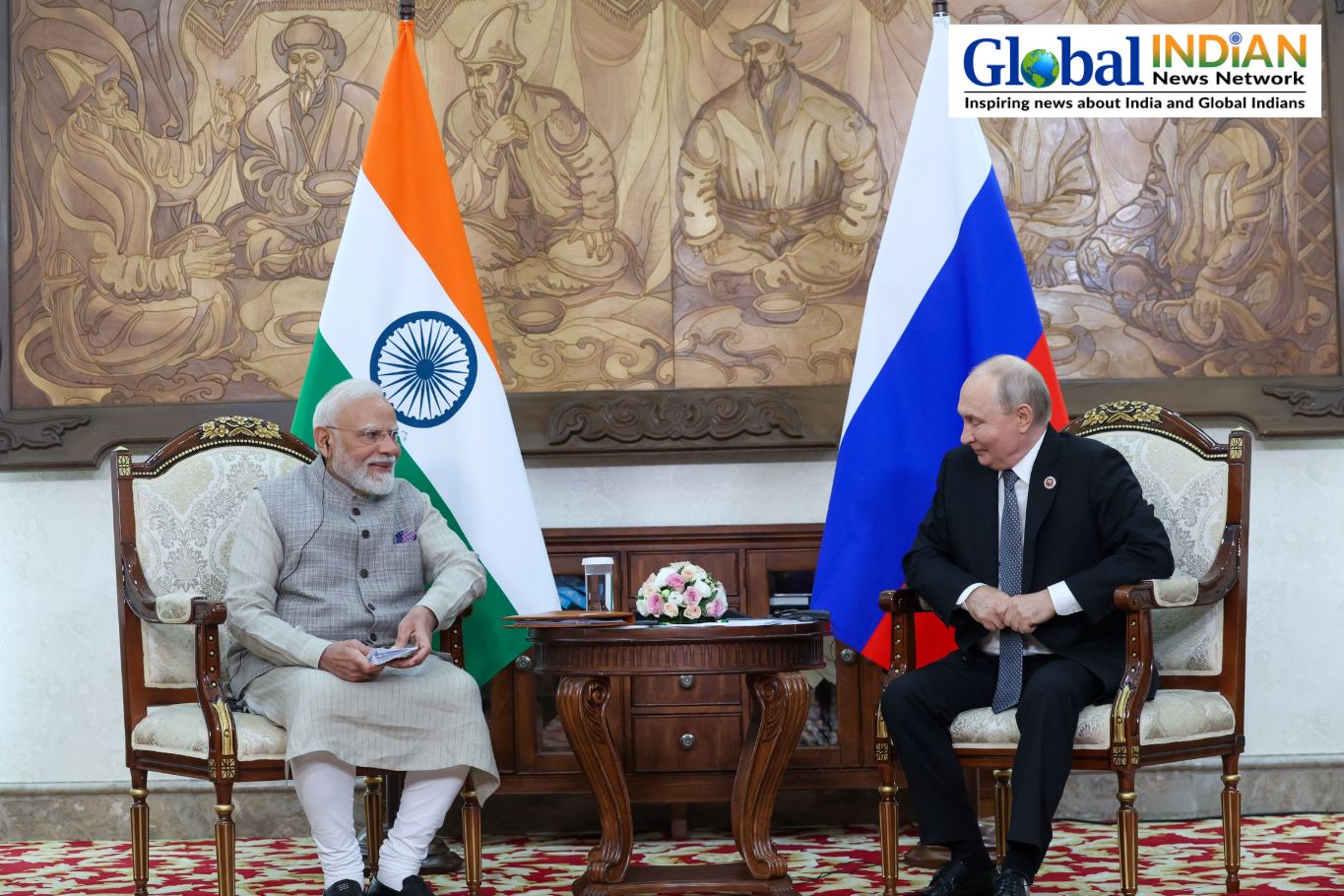
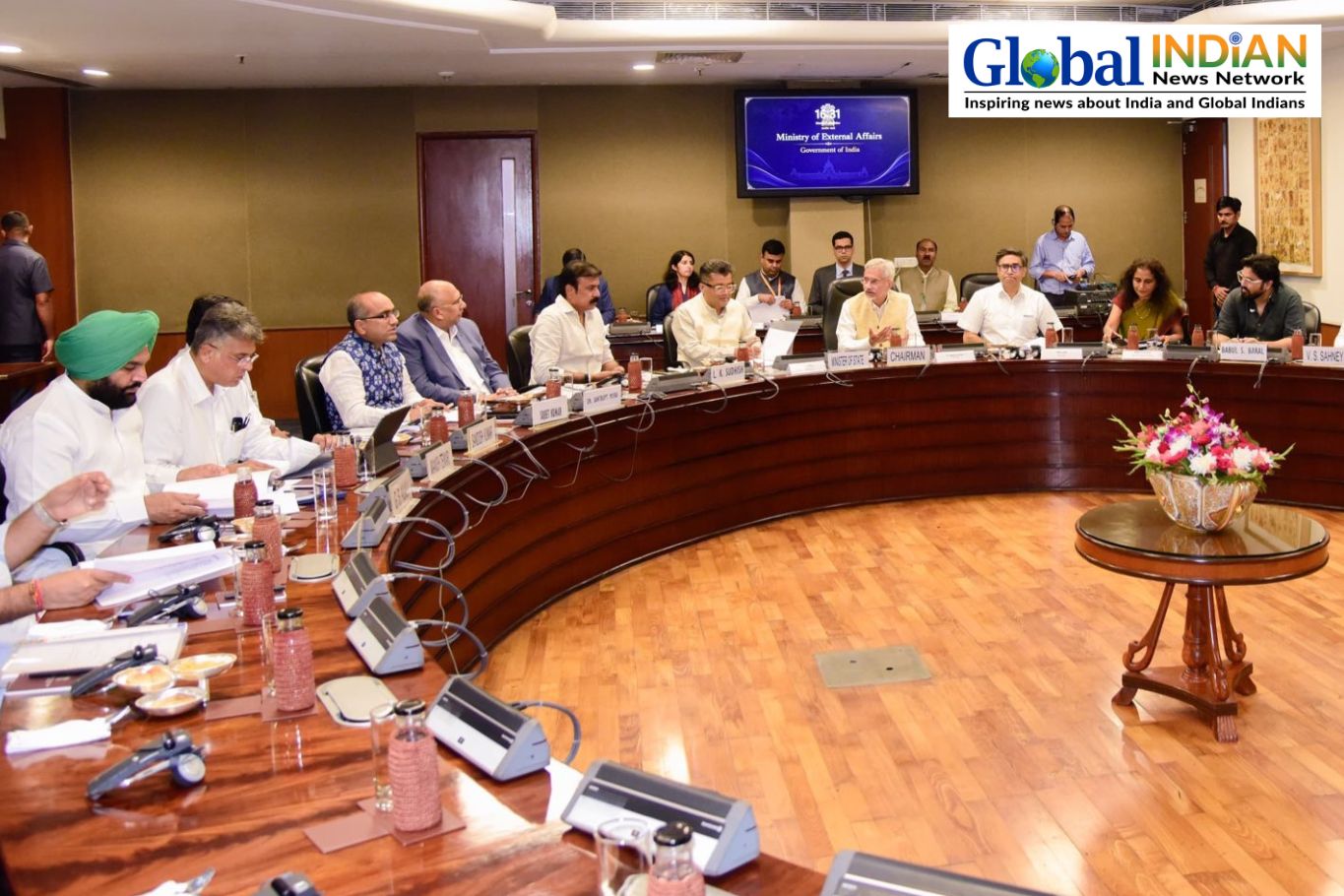
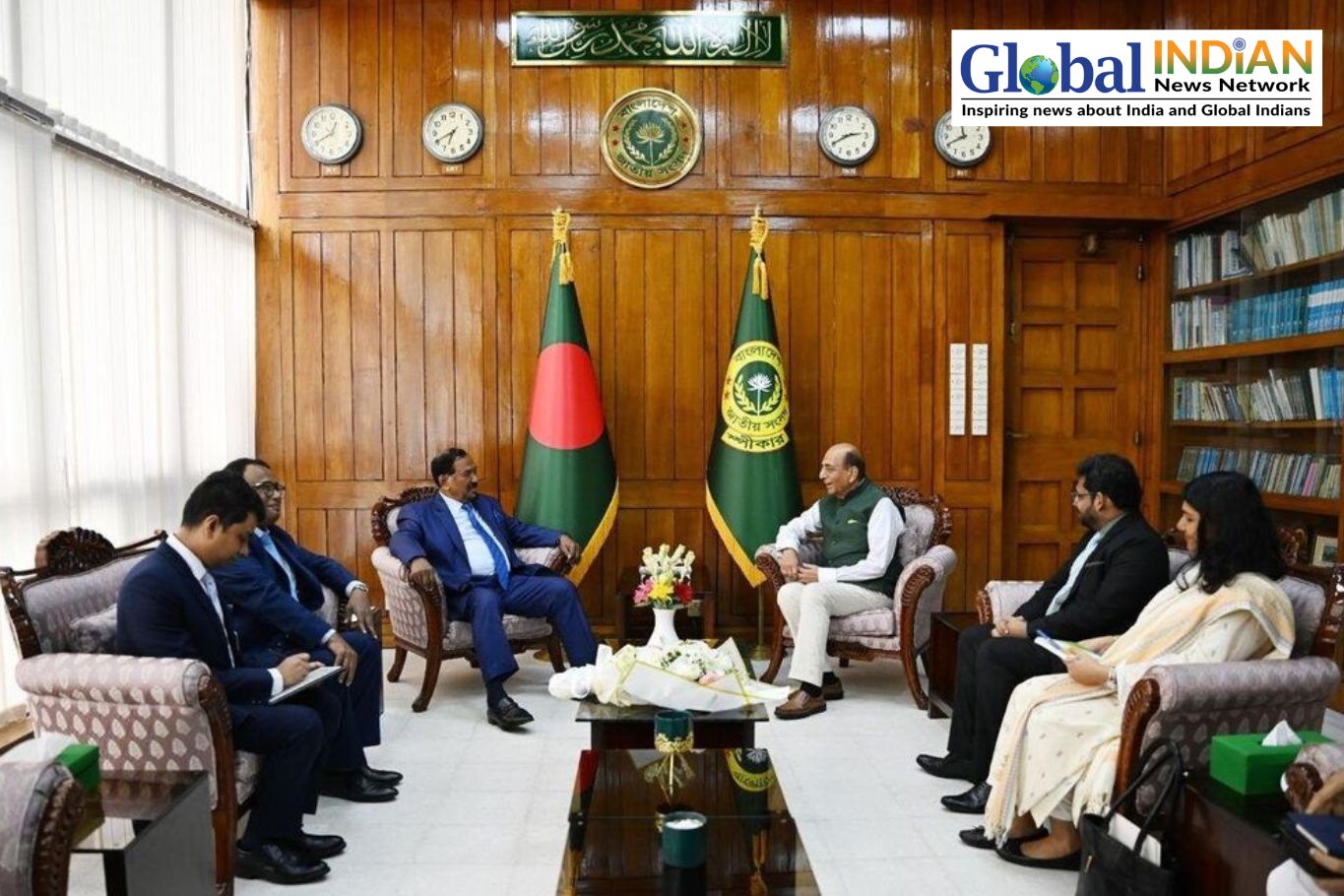
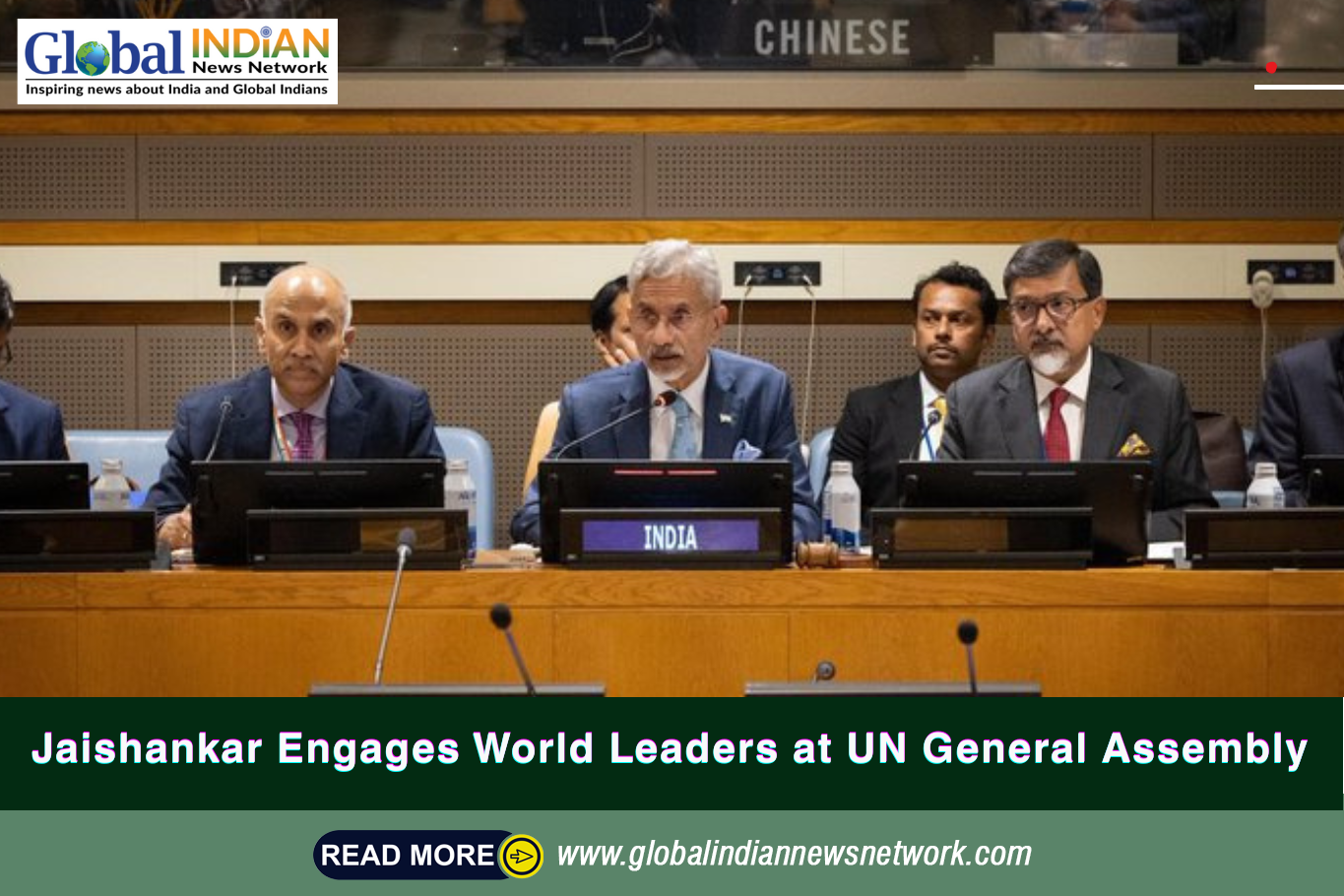
 External Affairs Minister S. Jaishankar actively engaged with global counterparts during the high-level session of the 2025 UN General Assembly, focusing on strengthening India’s bilateral and multilateral relations. He participated in meetings across three key platforms: BRICS, the ten-member bloc of emerging economies; IBSA, representing India, Brazil, and South Africa; and the joint conclave of India and CELAC, comprising the Community of Latin American and Caribbean States.
A central theme across these discussions was the urgent need to reform multilateral institutions to better reflect the perspectives and interests of the Global South. Trade and economic cooperation were also high on the agenda, alongside emerging areas such as AI, technology, critical minerals, space, and renewable energy.
Among the top-level diplomats Jaishankar met was Russia’s Foreign Minister Sergei Lavrov, with whom he discussed bilateral ties, the ongoing Ukraine conflict, and developments in the Middle East. He also met United Arab Emirates Deputy Prime Minister Abdullah bin Zayed Al Nahyan to exchange views on upcoming initiatives under the Joint Commission, a key forum for advancing India-UAE relations.
Austria’s Foreign Minister Beate Meinl-Reisinger praised the discussions as thoughtful and highlighted the importance of deepening bilateral and European partnerships. Jaishankar described their conversation as a lively exchange on contemporary geopolitics and shared strategic choices facing India and Europe.
Additional engagements included meetings with Foreign Ministers Paul Chet Greene of Antigua and Barbuda, Mario Lubetkin of Uruguay, Sugiono of Indonesia, Timothy Musa Kabba of Sierra Leone, and Toiu Oana of Romania.
At the India-CELAC session, co-chaired with Colombia’s Foreign Minister Rosa Yolanda Villavicencio, Jaishankar emphasized expanding cooperation in agriculture, trade, health, digital infrastructure, humanitarian assistance, and capacity building. Both sides expressed intent to explore collaboration in forward-looking areas such as artificial intelligence, space initiatives, renewable energy, and critical minerals, aiming to bolster sustainable development and mutual prosperity.
Through these diplomatic engagements, India reinforced its commitment to multilateral reform, broadened international partnerships, and advanced its strategic interests across emerging and traditional sectors of global collaboration.
Jaishankar Engages World Leaders at UN General Assembly

Shradhanjali Mukherjee
Salina Shah
Related Posts