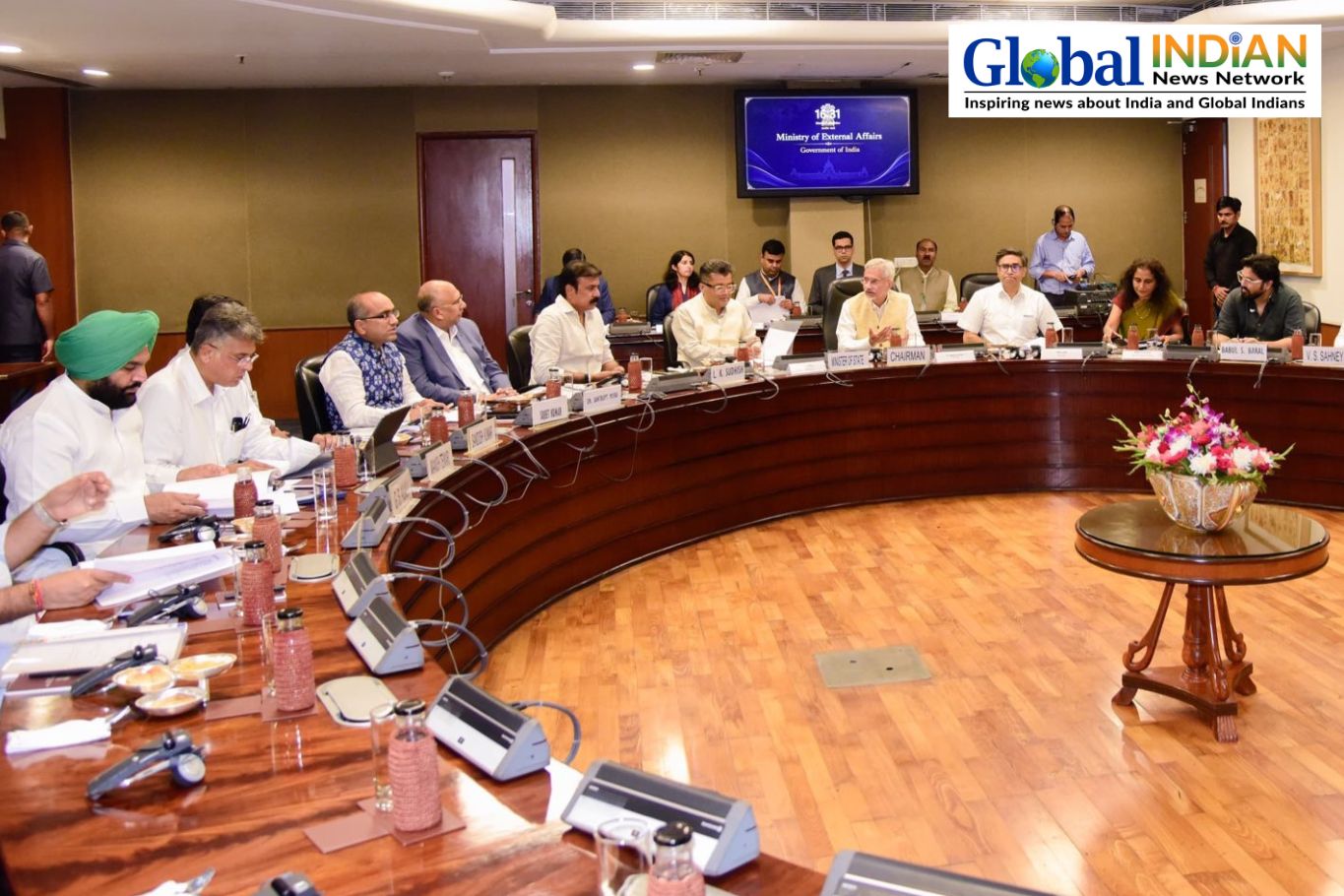
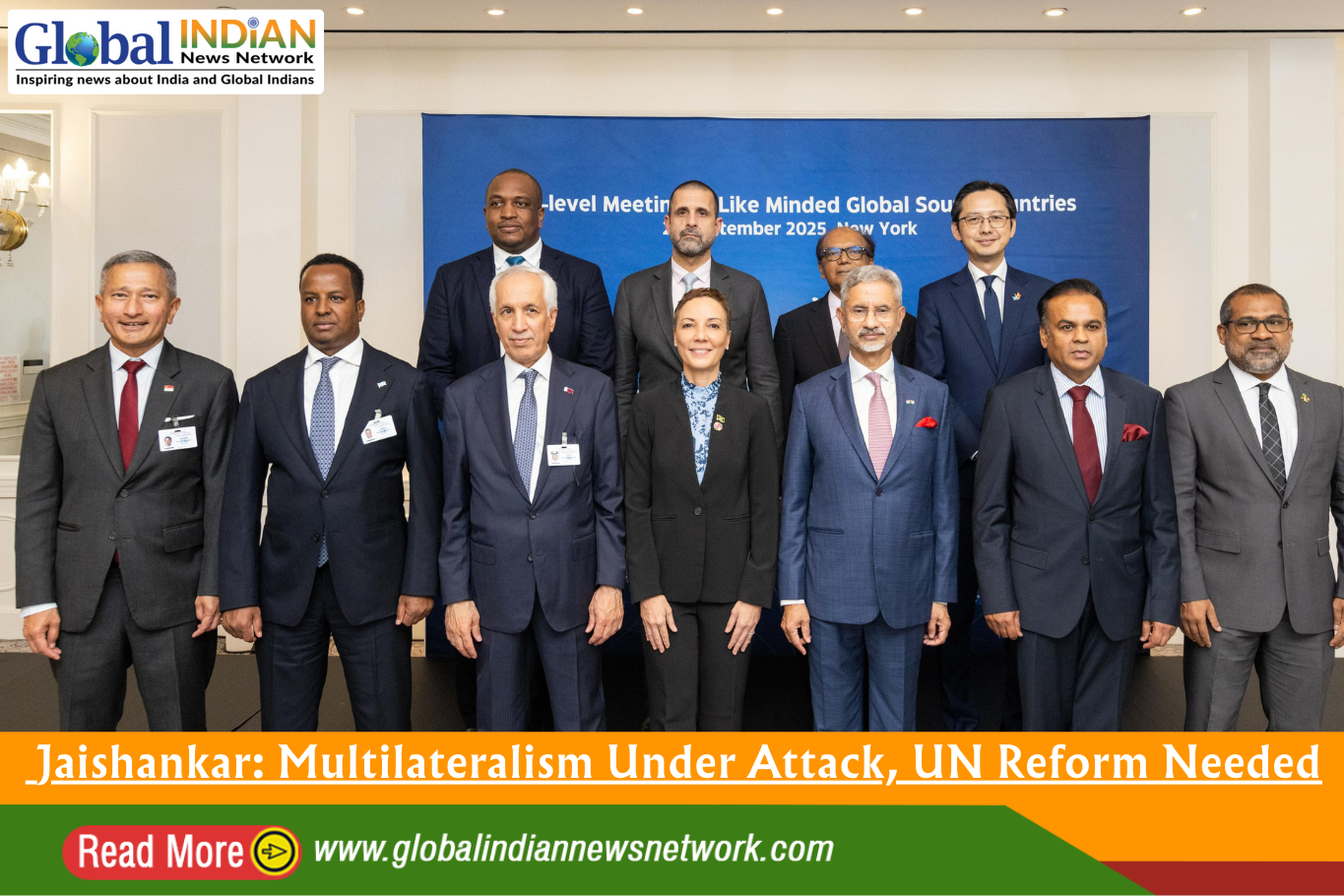
 External Affairs Minister S. Jaishankar, on his first visit to China since the 2020 Galwan Valley clash, addressed the High-Level Meeting of Like-Minded Global South Countries in New York on the sidelines of the United Nations General Assembly (UNGA) on Tuesday. During his remarks, he called for greater collaboration among developing nations and emphasized the need for reforms in global institutions.
Jaishankar noted that the world is experiencing increasing uncertainty, which poses growing concerns for member states. He highlighted that the Global South faces unique challenges, which have intensified during the first half of this decade. These include the lingering effects of the Covid-19 pandemic, the ongoing conflicts in Ukraine and Gaza, extreme climate events, volatility in trade, fluctuating investment flows, changing interest rates, and the significant slowdown of the Sustainable Development Goals (SDG) agenda.
“The rights and expectations of developing countries within the international system, which have been carefully cultivated over decades, are increasingly under pressure,” Jaishankar remarked. He stressed that in light of these multiplying risks and uncertainties, the Global South naturally looks toward multilateralism to address its challenges.
However, Jaishankar also pointed out that existing global institutions have demonstrated notable weaknesses, describing the current outlook as disappointing. He underscored the urgency for reform, arguing that international systems must evolve to fairly represent and protect the interests of developing nations in today’s complex geopolitical environment.
The minister’s address reflected India’s continued diplomatic focus on fostering solidarity among developing nations while advocating for reforms to ensure global governance structures remain relevant and effective. By highlighting these issues at UNGA80, Jaishankar reaffirmed India’s role as a proactive participant in international diplomacy and a strong voice for the Global South, urging collective action to navigate contemporary global challenges.