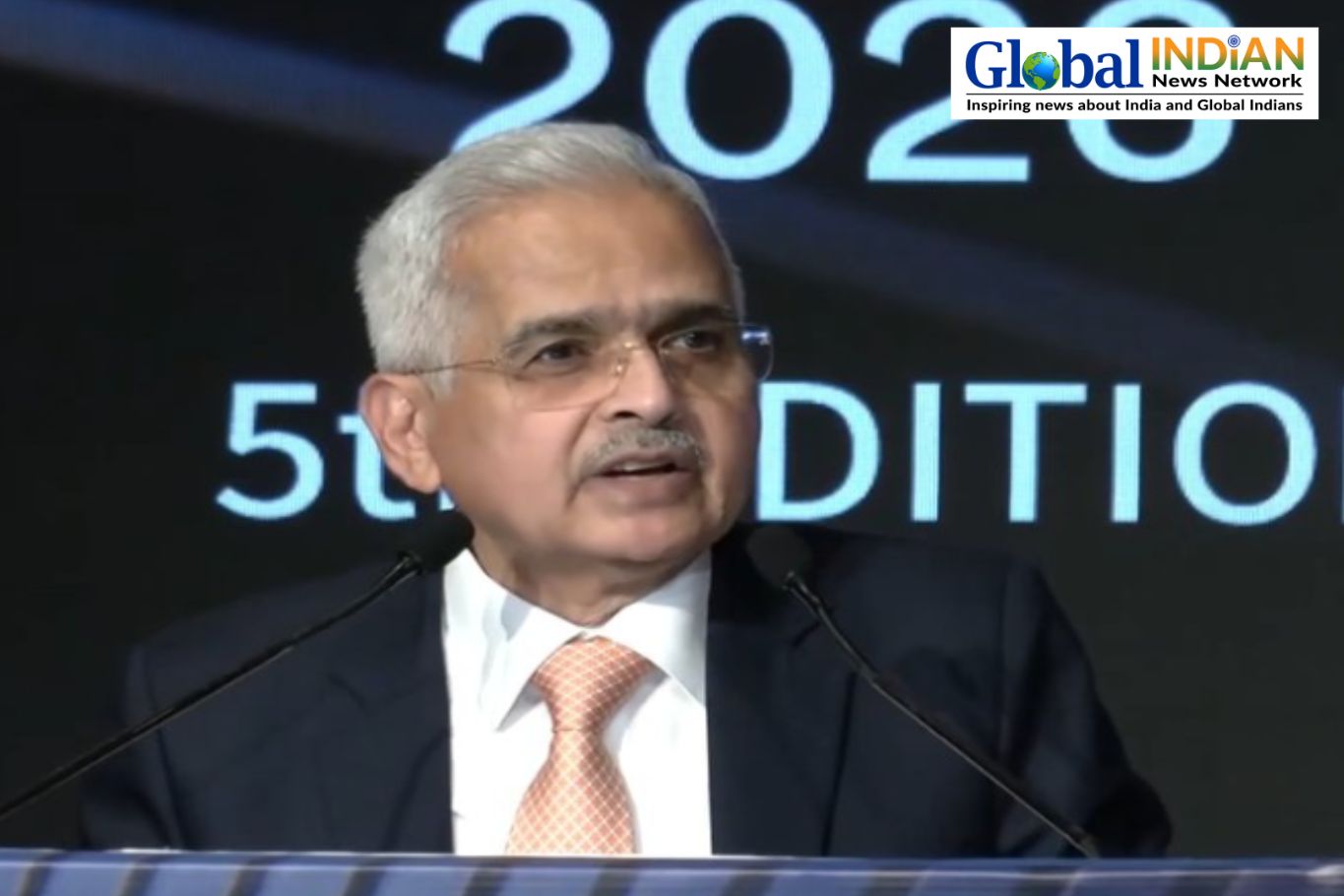
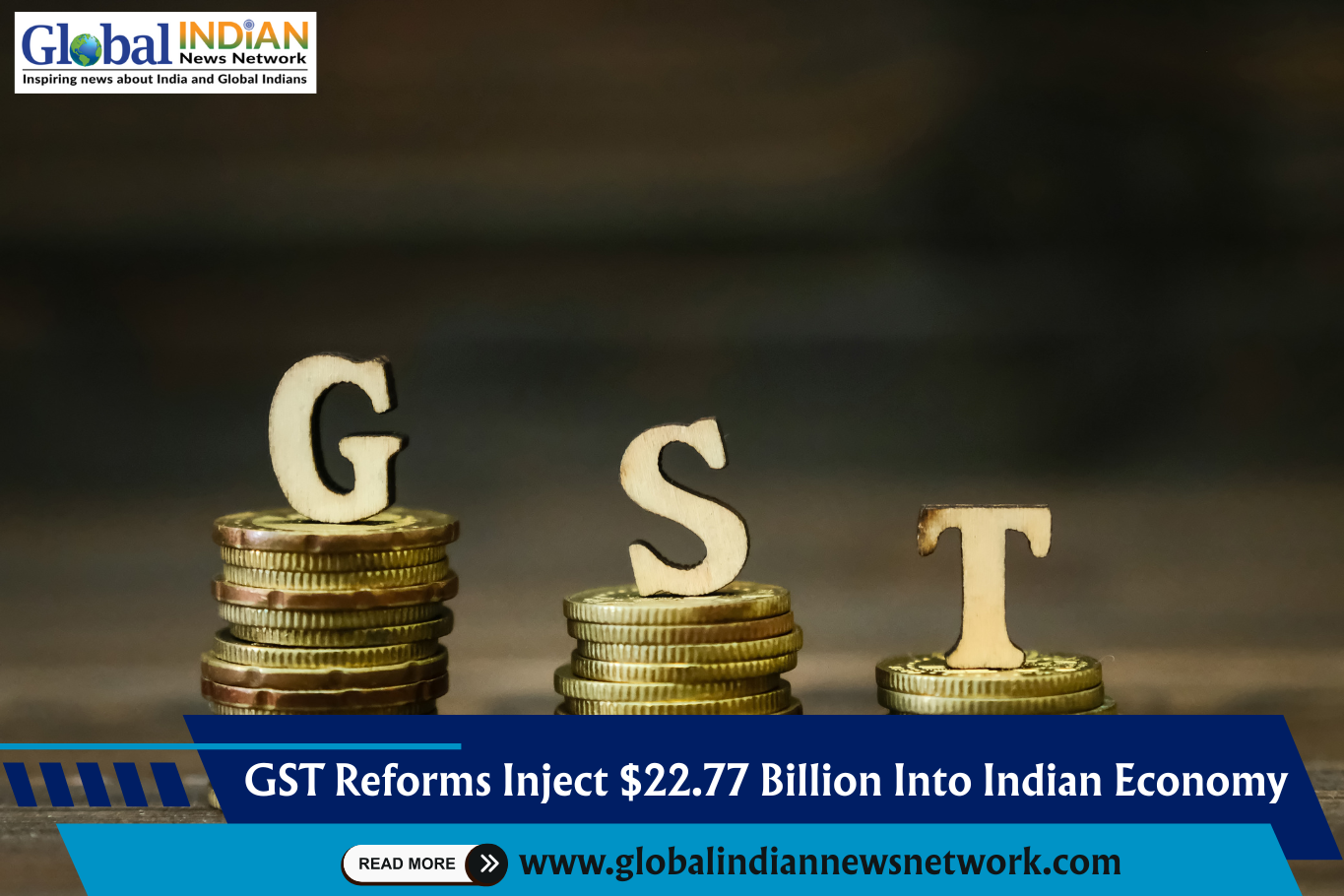
 Union Finance and Corporate Affairs Minister Nirmala Sitharaman announced that India’s Goods and Services Tax (GST) reforms have significantly strengthened the nation’s economy by injecting $22.77 billion in additional liquidity. Addressing the Outreach and Interaction Programme on Next Generation GST Reforms in Visakhapatnam, she explained that the reforms will save citizens an equivalent amount, easing their financial burden while giving the economy a much-needed boost.
Sitharaman pointed out that the sweeping changes to the tax structure were designed to help the middle class and curb poverty. Nearly all products that once fell under the 12% GST category—about 99%—are now taxed at 5%. Likewise, 90% of goods previously taxed at 28% have moved to the 18% bracket. These reductions, she stressed, mark a turning point for household savings and broader economic well-being.
The Finance Minister underlined that the benefits from the GST overhaul far outweigh incentives extended to industries over the years, suggesting they are nearly ten times greater in impact. She credited these reforms for strengthening the financial system, ensuring smoother compliance, and widening the tax base.
India’s GST revenues have reached a record $251 billion in 2025, a clear sign of improved efficiency and compliance. Moreover, the number of taxpayers has more than doubled since GST’s rollout, growing from 6.5 million in its early years to 15.1 million today. This expansion reflects both improved trust in the system and broader participation from businesses across sectors.
Sitharaman reiterated that GST is not merely a revenue-collection tool but also a mechanism to simplify taxation and drive inclusive growth. The reforms, she said, are laying the groundwork for a more transparent and citizen-friendly tax ecosystem, supporting the government’s broader vision of a robust and equitable economy.