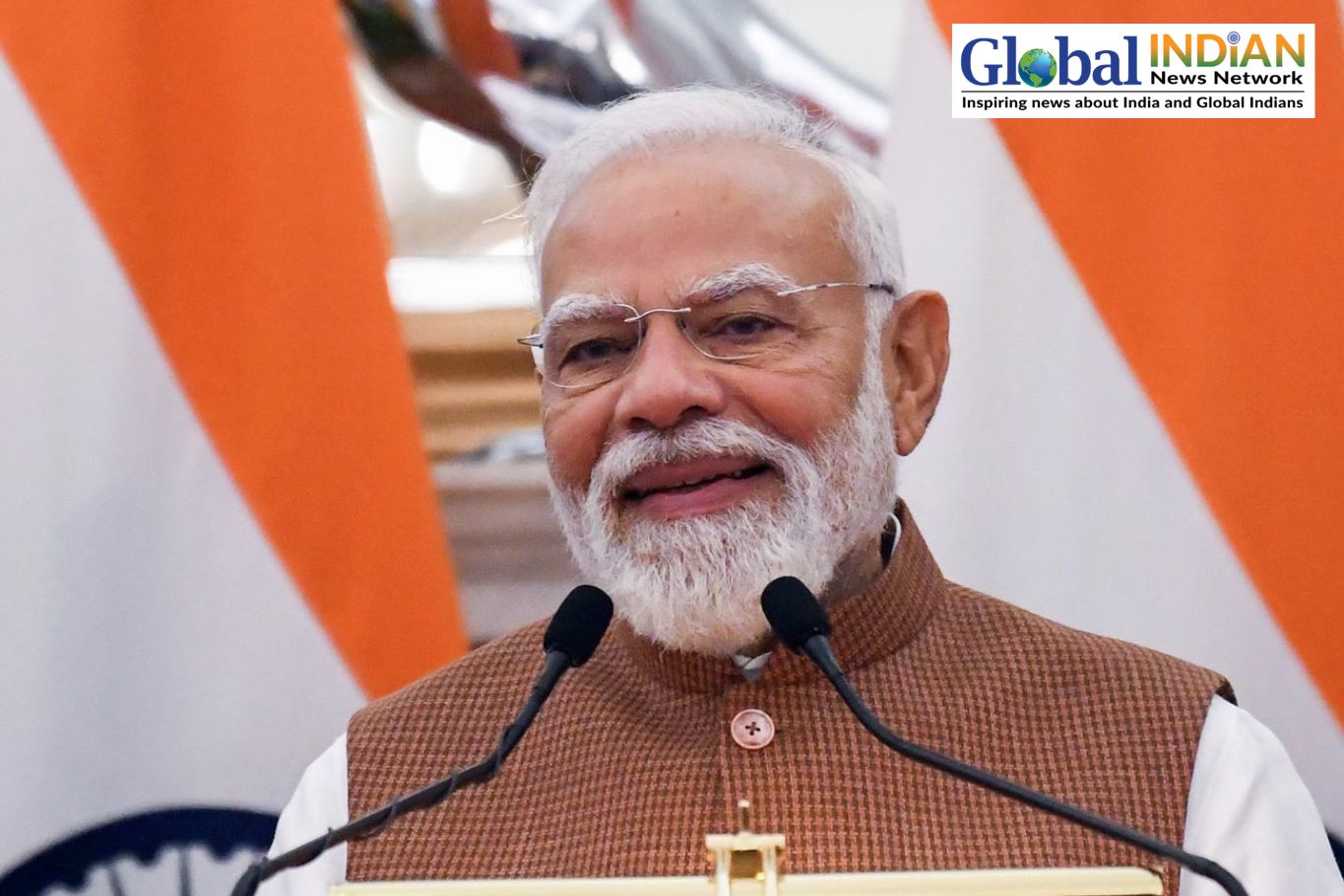
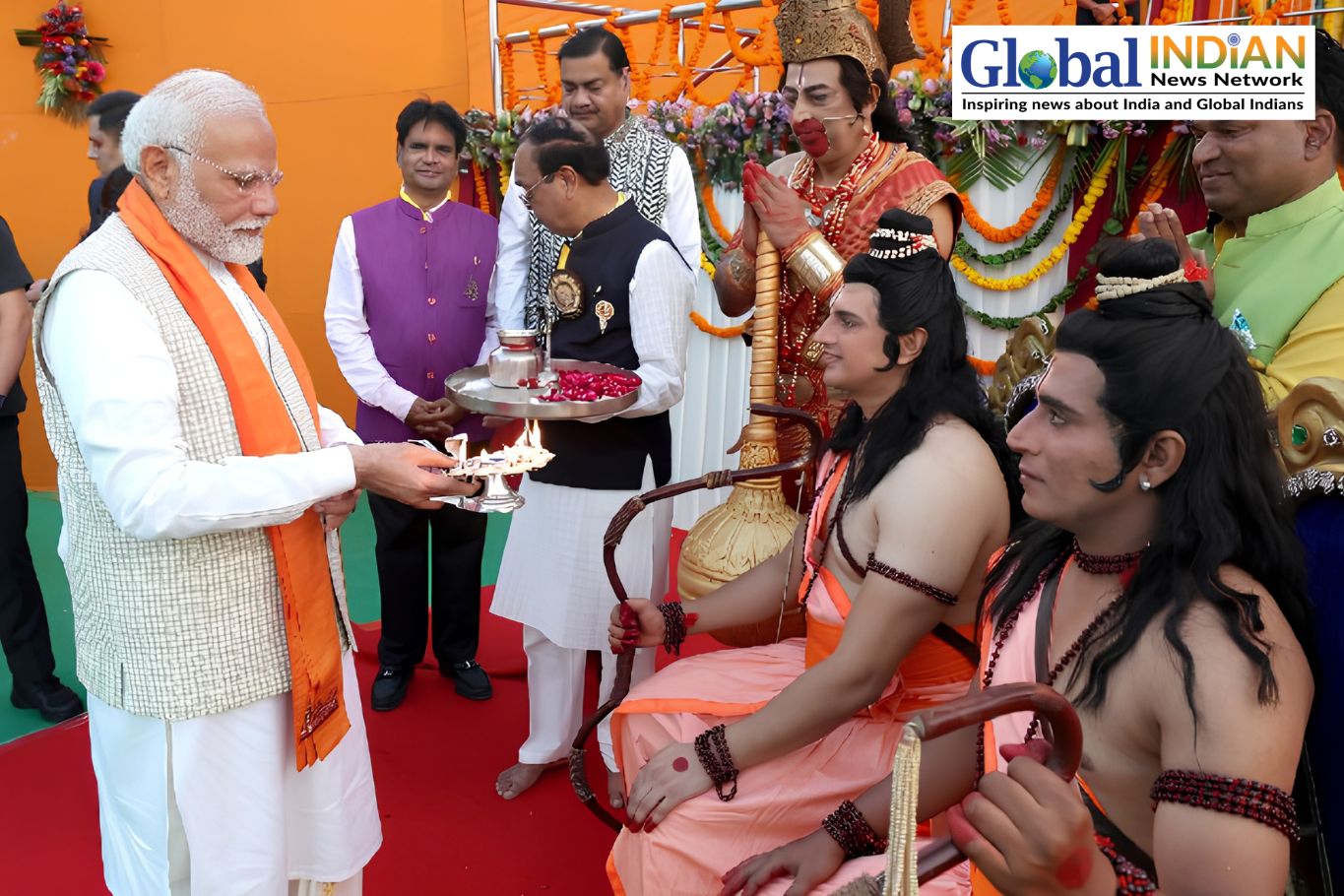
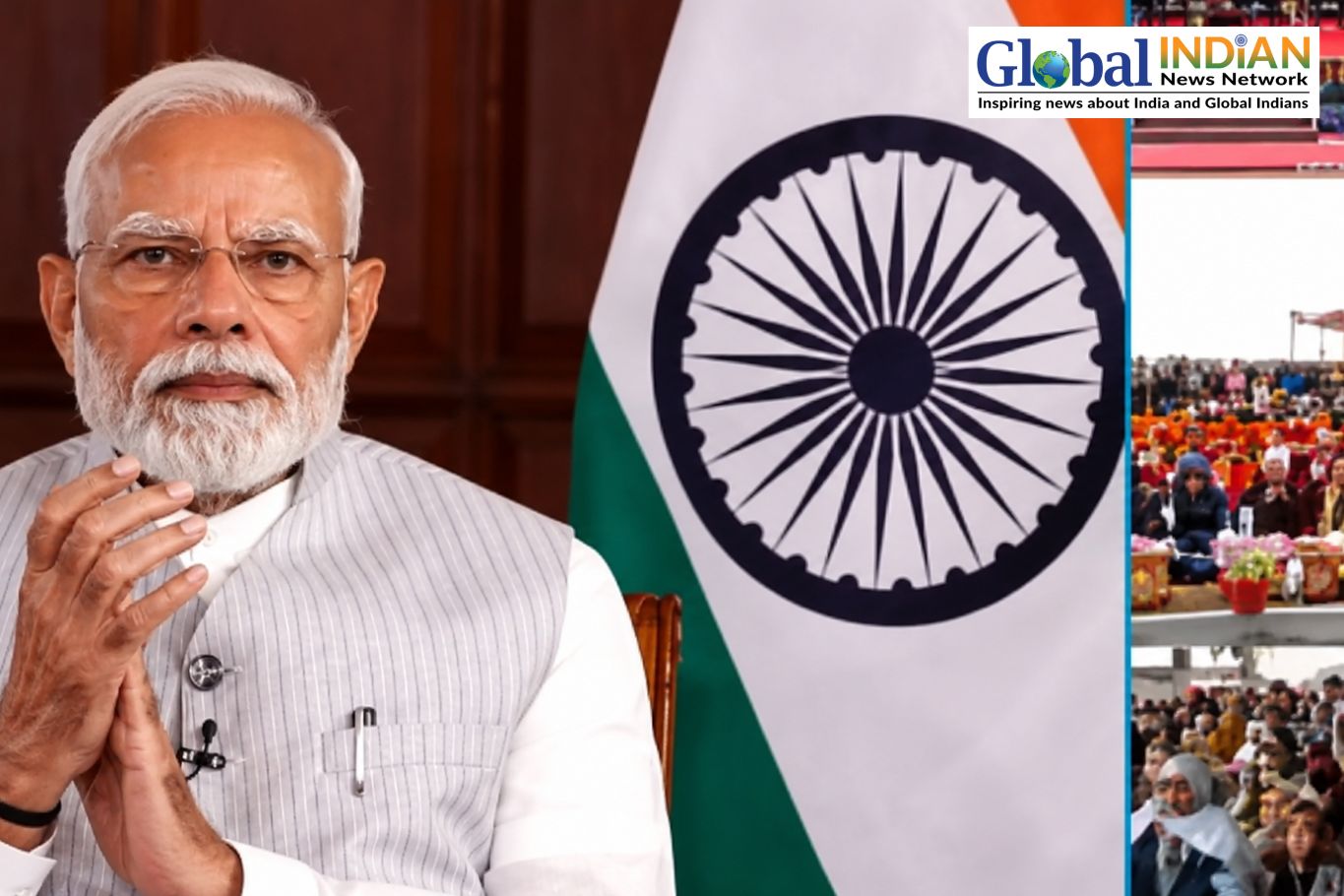
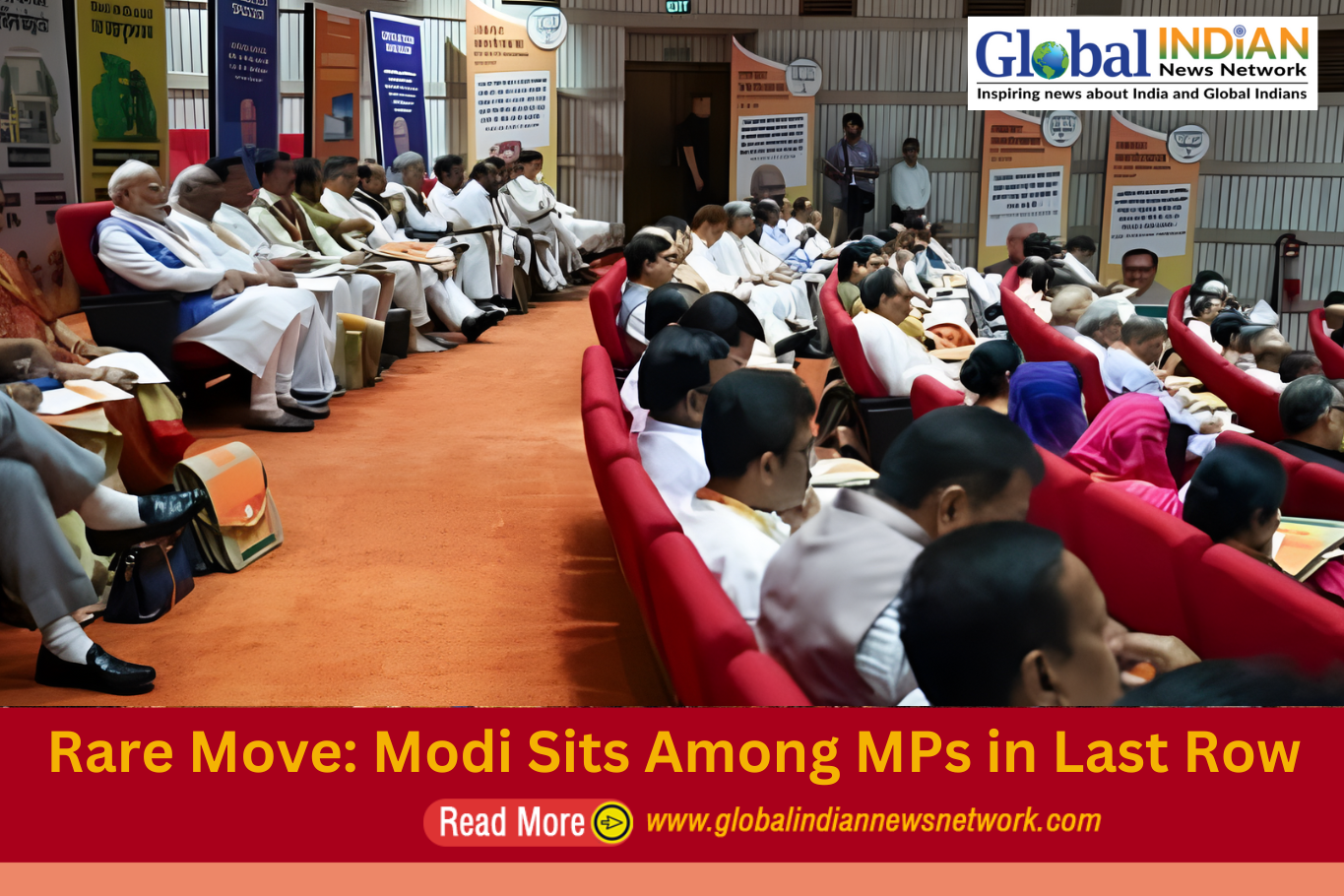
 Prime Minister Narendra Modi attended a BJP workshop held at the GMC Balayogi Auditorium inside the Parliament complex on Sunday, where he made an unusual gesture by sitting quietly in the last row alongside other lawmakers. His presence, not as the head of government but as an ordinary parliamentarian, drew attention for its humility and symbolism.
During the session, BJP parliamentarians unanimously passed a resolution endorsing the government’s recently announced Goods and Services Tax (GST) reforms. These changes, approved by the GST Council on September 3, are being described as one of the most ambitious revamps of India’s indirect taxation system since its launch.
The reforms align with the commitment made by the Prime Minister during his Independence Day address at the Red Fort, where he assured citizens—particularly the middle class—that tax relief was on the way. Under the revised structure, India’s complex tax regime will now primarily operate under just two slabs: 5% and 18%. A higher 40% rate has been reserved exclusively for products categorized as “sin goods” such as tobacco and luxury items.
Officials explained that the streamlined structure is intended to increase disposable income for households by reducing costs on everyday essentials. The government expects this relief to spark greater consumption, thereby creating a ripple effect on economic growth.
A wide array of items will see significant price reductions under the new regime. Basic necessities like groceries, clothing, footwear, and fertilizers, along with renewable energy products, will now fall under lower tax brackets. Earlier categories that carried 12% and 28% levies have largely been absorbed into the two main slabs, simplifying compliance and easing financial strain on consumers.
The GST Council emphasized that these reforms represent not only tax relief for ordinary citizens but also a broader push to energize the economy. By cutting rates across critical sectors, the government hopes to balance household budgets, stimulate demand, and pave the way for sustainable growth.
For many observers, the workshop’s unanimous resolution signals a collective endorsement of the government’s direction on tax policy. For citizens, however, the most immediate takeaway will be a lighter burden on their pockets and a stronger promise of economic revival.