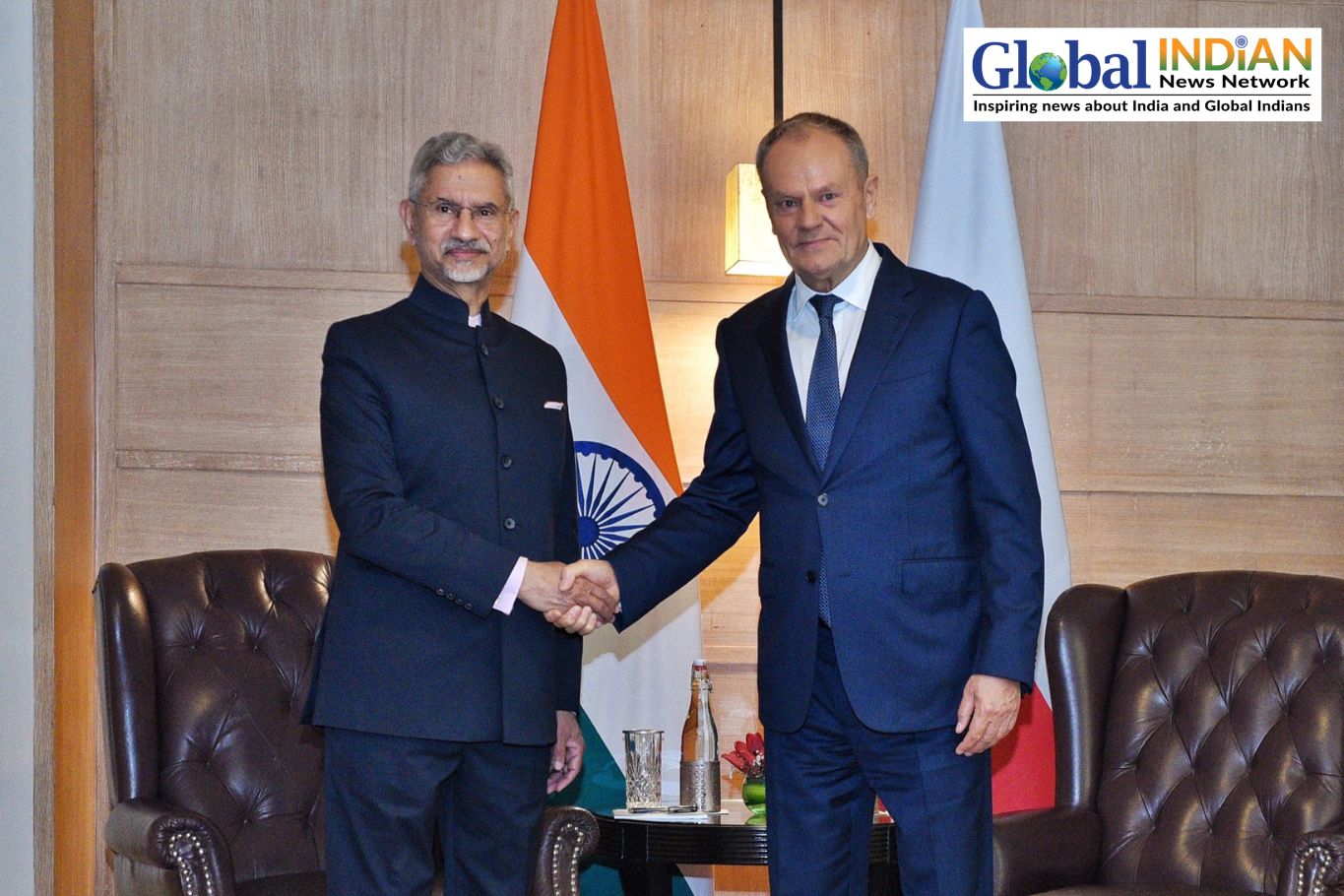
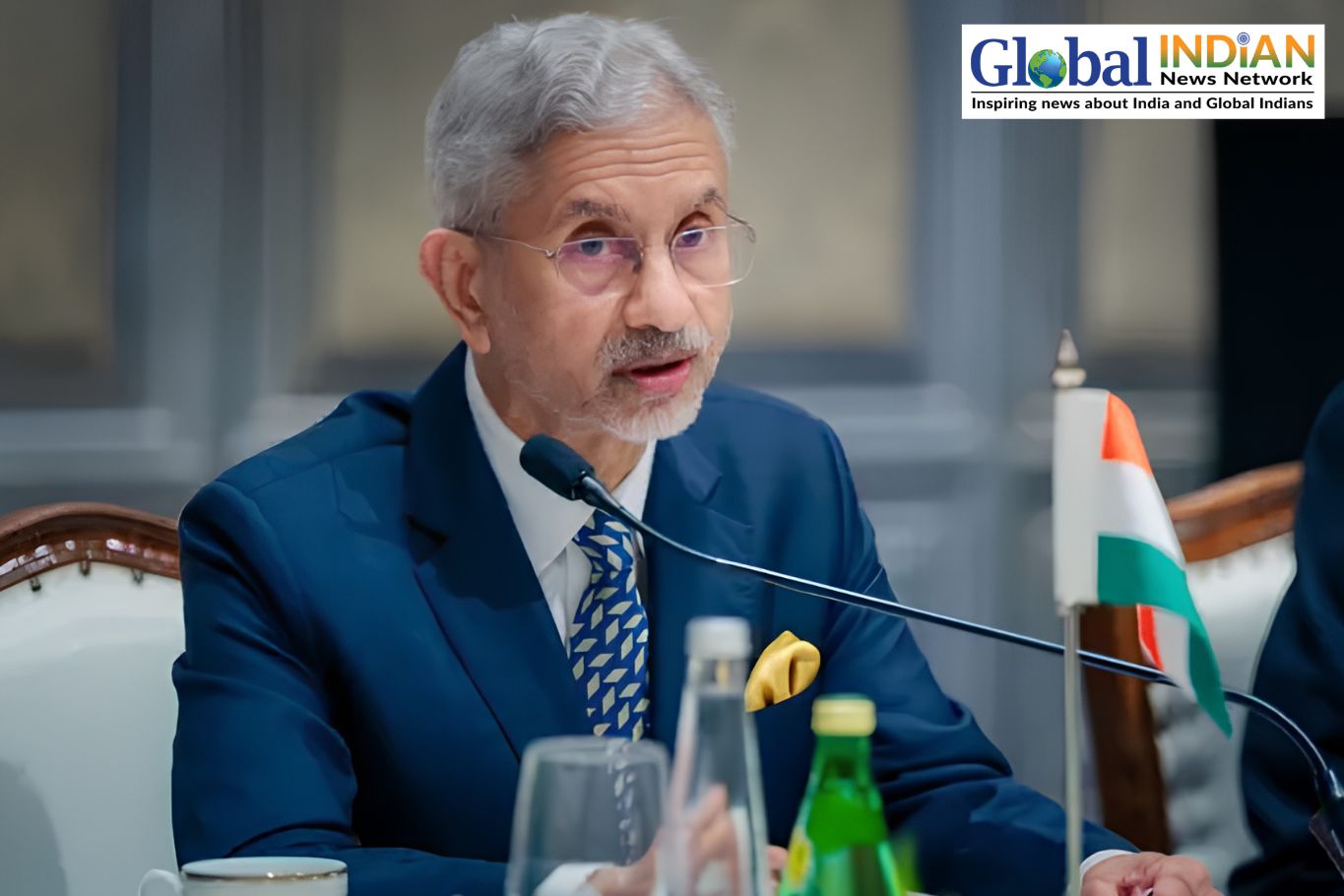
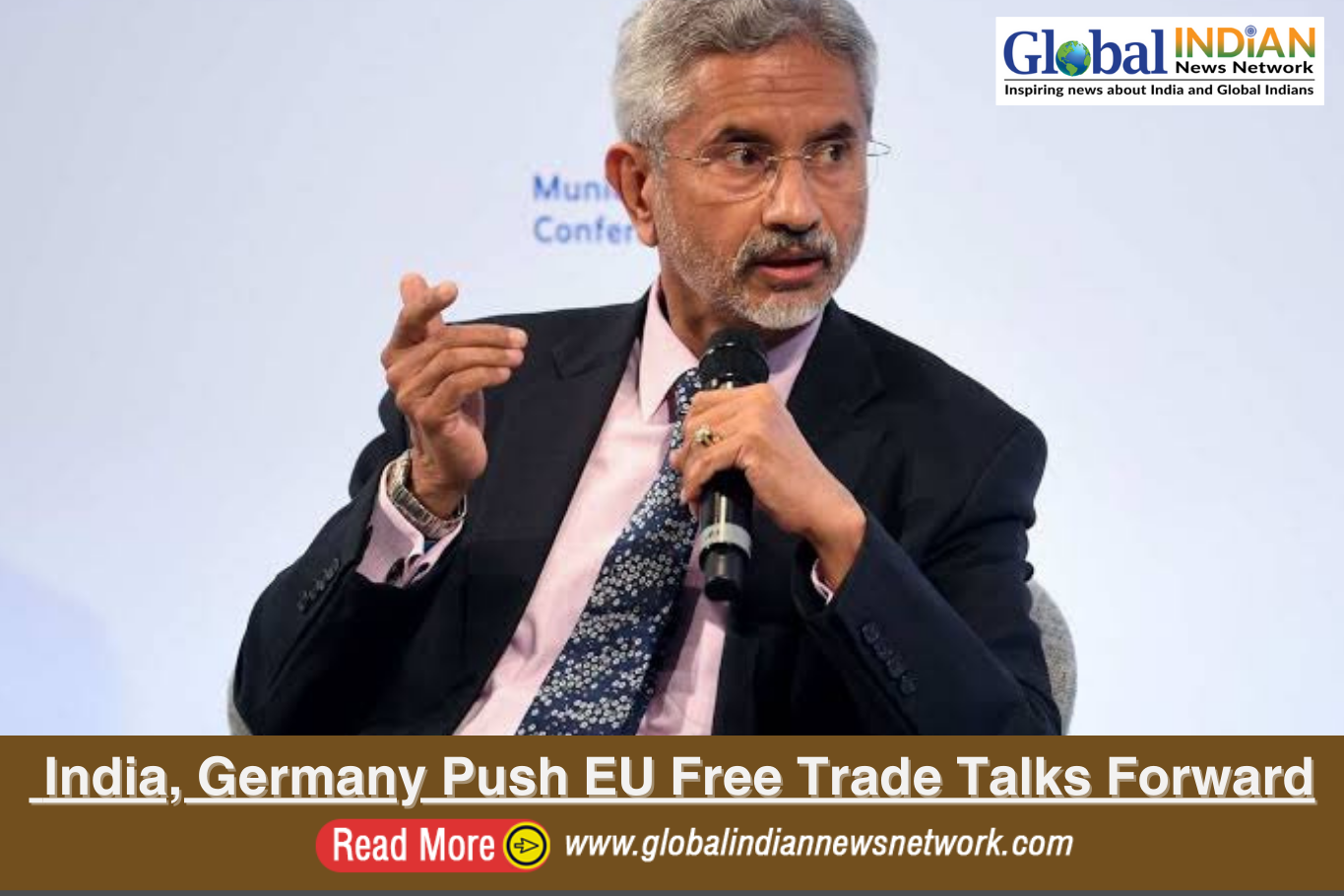
 External Affairs Minister S. Jaishankar on Wednesday underscored India’s reliance on Germany to advance negotiations on a long-awaited Free Trade Agreement (FTA) with the European Union. His remarks came after a delegation-level meeting in New Delhi with German Foreign Minister Johann Wadephul, marking Wadephul’s first official visit to India since Chancellor Friedrich Merz formed the new government.
Jaishankar described the talks as “productive,” noting that discussions touched on regional and global issues alongside the central theme of trade. Stressing the importance of urgency, he said lowering tariffs and creating new avenues of economic cooperation would benefit both sides and contribute to stabilizing the global economy. “Our conversations predate recent events, but the current climate gives them even greater urgency,” he said. “We hope another round of FTA negotiations takes place soon, moving toward a decisive conclusion.”
Highlighting the broader context, Jaishankar pointed to global economic volatility and strategic shifts, making the case for “a deeper, stronger, wider” India-Germany relationship. He emphasized that closer cooperation between India, Germany, and the EU would serve as a stabilizing force in uncertain times. “There are big changes underway in the world,” he said, “and they make a compelling case for stronger partnerships.”
Germany, in turn, reaffirmed its commitment to pushing the trade pact forward. Wadephul stressed that his country, as a staunch supporter of free trade, views the EU-India FTA as vital. “Germany is in full support of carrying this agreement through as soon as possible,” he said, adding that Berlin would use all its influence within the European Commission to move negotiations ahead. “You can be assured we will use every argument with the Commission to make this a reality,” Wadephul told reporters.
The visit also underscored the depth of India-Germany relations beyond trade. Jaishankar highlighted milestones including 25 years of strategic partnership, 50 years of scientific cooperation, and nearly six decades of cultural agreements. He welcomed Wadephul’s stop in Bengaluru, where the German minister explored India’s thriving technology sector and the scope for joint innovation.
Both leaders agreed that the partnership holds immense potential, from technology and business to multilateral cooperation. As India looks to the EU to unlock new trade opportunities, Germany’s active support may prove pivotal in shaping the future of this strategic and economic relationship.